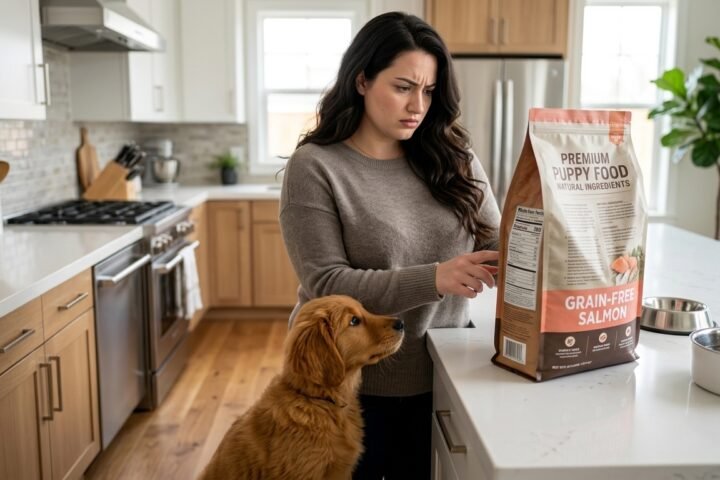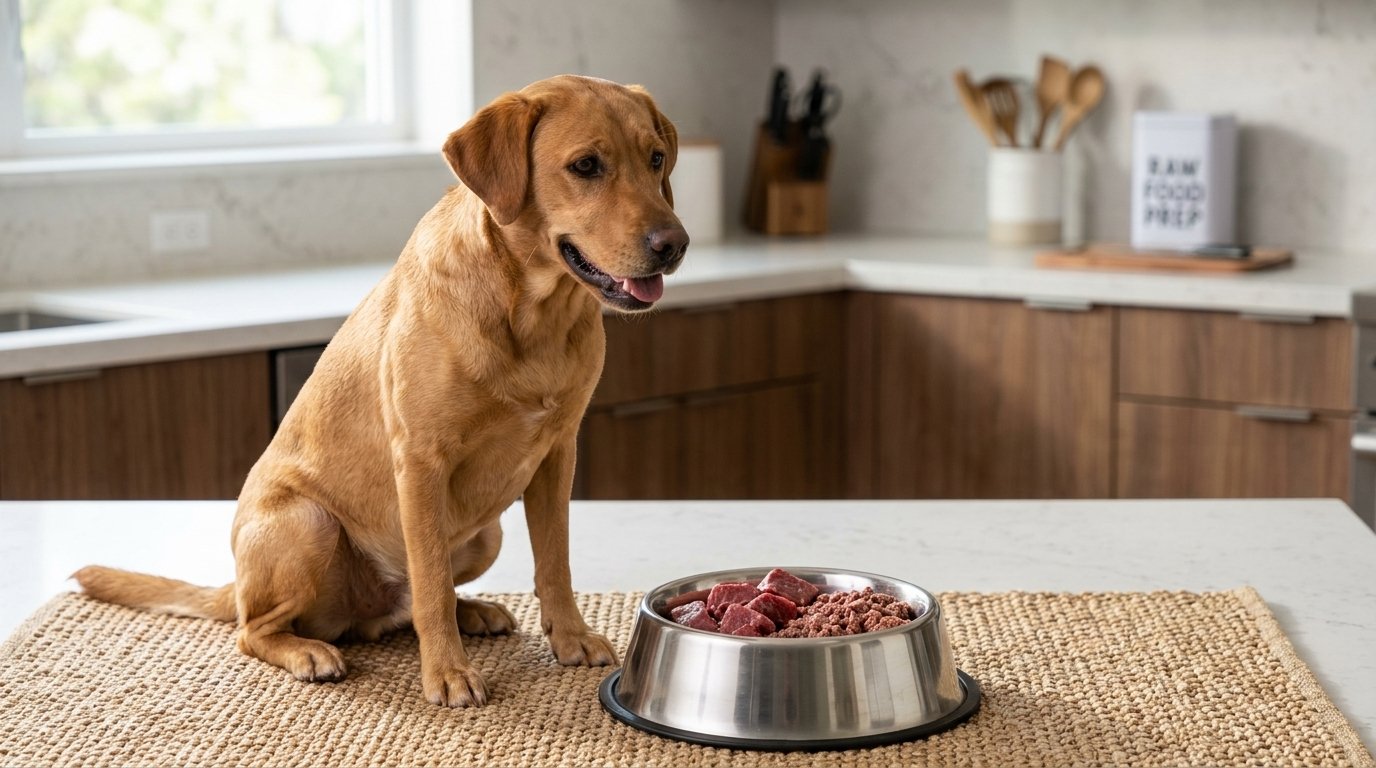
The best answer depends on your dog, the context, and the full pattern of behavior. Look at multiple signals rather than one isolated action.
Many dog owners wonder, can dogs eat raw meat, especially when they see raw food diets promoted as a more natural way to feed dogs.
The short answer is yes: dogs are physically capable of eating raw meat. But being able to eat something is not the same as it being the safest or healthiest choice for every dog.
Raw meat can carry harmful bacteria, parasites, and other hazards. A diet made primarily from raw meat can also become nutritionally incomplete if it is not carefully formulated. Major veterinary and public-health organizations, including the Centers for Disease Control and Prevention, advise against feeding raw pet food because of the potential risks to pets and people.
So, can dogs eat raw meat safely? Here are seven important facts every dog owner should understand before putting raw meat in their dog’s bowl.
Table of Contents
1. Dogs Can Physically Eat Raw Meat, but That Does Not Automatically Make It Safe
Dogs have digestive systems capable of processing animal protein, including uncooked meat. Their evolutionary history is one reason many people assume raw meat must therefore be ideal for modern dogs.
However, modern pet dogs are not simply wolves living in the wild. The question is not only whether a dog can digest raw meat. The more important question is whether the potential benefits outweigh the health and safety risks.
Purina notes that dogs can eat raw meat, but feeding raw meat alone is not advisable because a raw diet may fail to provide complete and balanced nutrition and can expose dogs to foodborne pathogens.
That distinction is important:
- Can a dog eat raw meat? Yes.
- Is every type of raw meat safe? No.
- Is a raw meat-only diet nutritionally complete? Usually not without careful formulation.
- Is a raw diet appropriate for every dog? No.
For most owners, the safest feeding decision should focus on long-term nutrition, food safety, and the individual dog’s age and health.
PawMindTips Pro Tip: A dog’s ability to tolerate a food does not prove that the food is the best nutritional choice. Always separate “can eat” from “should eat.”
2. Raw Meat Can Contain Harmful Bacteria
One of the biggest concerns when asking can dogs eat raw meat is bacterial contamination.
Raw animal products may contain pathogens such as:
- Salmonella
- E. coli
- Listeria
- Campylobacter
These organisms can potentially make dogs sick. Some dogs may also carry or shed harmful bacteria without appearing seriously ill themselves, creating an additional risk for people and other animals in the household.
The CDC specifically warns that raw pet food can make dogs and cats sick and does not recommend feeding raw pet food or treats.
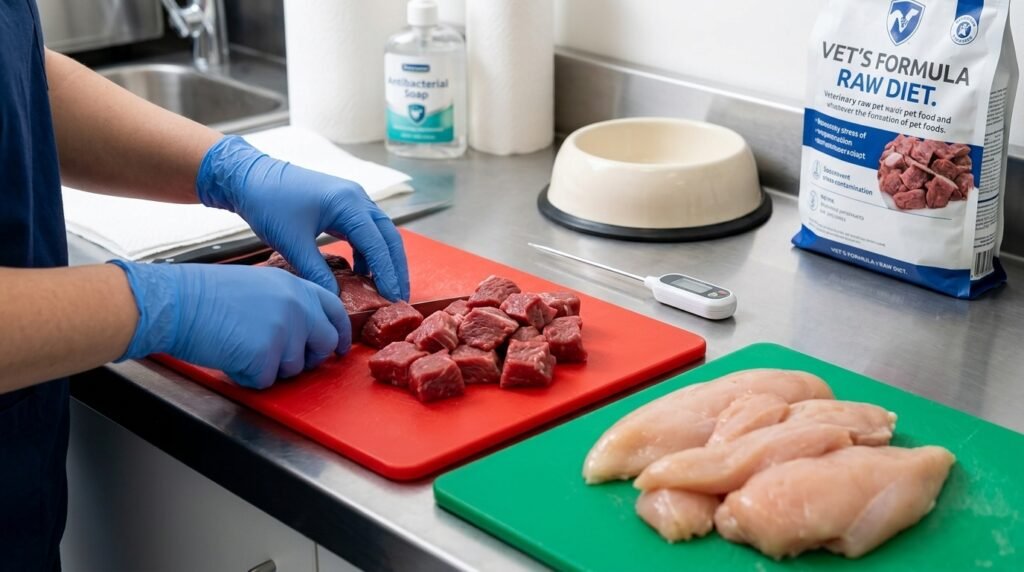
The risk does not end when your dog finishes eating. Bacteria can potentially spread through:
- Food bowls
- Kitchen counters
- Floors
- Your hands
- Your dog’s saliva
- Your dog’s stool
This is especially important in homes with young children, older adults, pregnant individuals, or people with weakened immune systems.
3. Raw Meat Can Put Other Members of Your Household at Risk
A raw diet is not only a decision about your dog’s health. It can also affect the people and animals around your dog.
Imagine preparing raw chicken for your dog and then touching a counter, refrigerator handle, dog bowl, or other kitchen surface. Without careful cleaning, bacteria may spread.
There can also be exposure after your dog eats. For example, bacteria may be transferred through saliva or through contaminated feces.
Public-health concerns are one of the major reasons raw feeding remains controversial. The issue is not simply whether a healthy adult dog can tolerate exposure to certain bacteria. It is also whether those organisms can create a risk elsewhere in the home.
Who may face a higher risk?
Extra caution is especially important when a household includes:
- Infants and young children
- Seniors
- Pregnant individuals
- Immunocompromised people
- Other vulnerable pets
If your dog regularly interacts closely with people outside your household, discuss a raw diet with your veterinarian before making a change.
4. A Raw Meat-Only Diet May Not Provide Complete Nutrition
Another major issue is nutritional balance.
Dogs need much more than protein. A complete diet requires the correct balance of nutrients, including essential amino acids, fatty acids, vitamins, and minerals.
Simply giving a dog pieces of raw beef, chicken, turkey, or another meat does not automatically create a complete diet.
For example, an owner might think:
“My dog eats raw chicken every day, so he’s getting plenty of protein.”
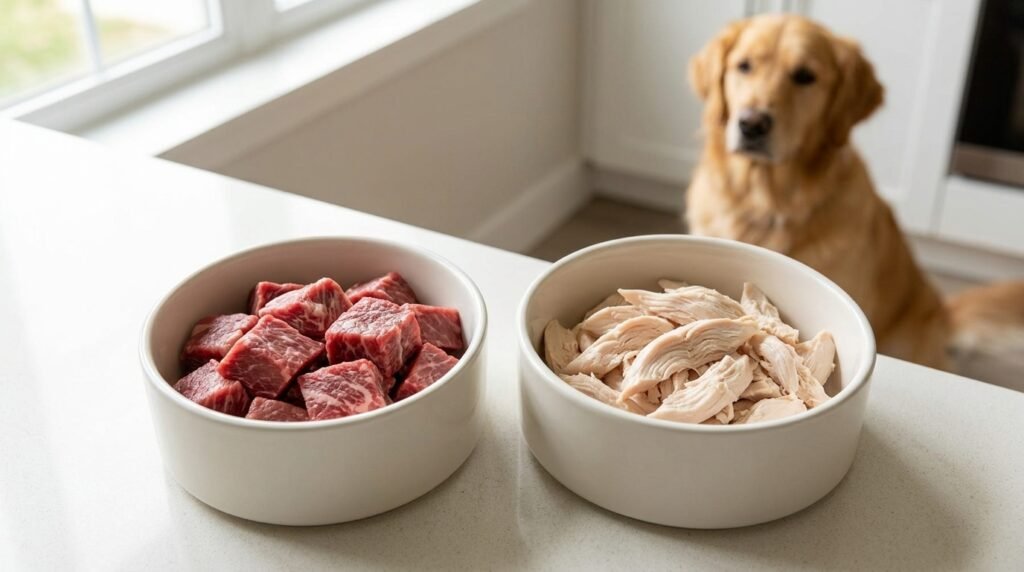
Protein may not be the only concern. A diet can still become unbalanced if it does not provide the appropriate amounts and ratios of other nutrients.
This is particularly important for:
Puppies
Growing dogs have precise nutritional needs. Deficiencies or imbalances during development may have serious consequences.
Senior Dogs
Older dogs may have changing nutritional requirements and may also be more vulnerable to certain health problems.
Dogs With Medical Conditions
Dogs with digestive disorders, immune problems, pancreatitis, kidney disease, or other medical issues may require specialized diets.
Purina and other veterinary-focused sources emphasize that a raw meat-based diet may increase the risk of nutritional deficiencies if it is not properly formulated.
If you are considering a homemade diet, this is not something to formulate by guessing or copying random recipes online.
5. Raw Chicken, Raw Beef, and Raw Pork Do Not Carry the Same Risks
When people ask, can dogs eat raw meat, the type of meat matters.
Different animal products can carry different pathogens and hazards.
Can Dogs Eat Raw Chicken?
Raw chicken can be contaminated with bacteria such as Salmonella and Campylobacter. It may also contain bones that create choking or gastrointestinal hazards depending on the size and type of bone.
For a detailed comparison of food-related risks, you may also want to explore our PawMindTips article about dog vomiting and possible dietary triggers when relevant to your site structure.
Can Dogs Eat Raw Beef?
Raw beef may also contain harmful bacteria. The fact that beef is commonly used in raw diets does not eliminate food-safety concerns.
Can Dogs Eat Raw Pork?
Raw or undercooked pork may carry bacterial or parasitic risks. The safety of pork also depends on its source, handling, storage, and preparation.
What About Raw Fish?
Certain raw fish may carry parasites or other hazards. Some types of fish may also create nutritional concerns when fed improperly or excessively.
The important takeaway is that “raw meat” is not one single category with one universal level of risk.
Important: Never assume that supermarket-quality meat is automatically safe to feed raw to your dog. Food intended for human cooking is generally expected to be cooked before consumption.
6. Bones, Fat, and Seasonings Can Create Additional Problems
Raw meat often comes with more than muscle meat.
Owners may also feed:
- Bones
- Skin
- Fat
- Organ meat
- Marinated meat
- Seasoned meat
Each can introduce additional concerns.
Bones
Bones may cause:
- Choking
- Broken teeth
- Mouth injuries
- Gastrointestinal obstruction
Excess Fat
Very fatty foods may trigger digestive upset in some dogs. Dogs with certain health conditions may be especially sensitive to high-fat foods.
Seasonings and Marinades
Never assume meat is safe simply because the meat itself is normally edible.
Ingredients such as onions and garlic can be harmful to dogs. PetMD also recommends avoiding seasonings and harmful additives when preparing meat for dogs.
If you want to add fresh meat to your dog’s diet, plain preparation is generally safer than seasoned table food.
You can also connect this section internally to your PawMindTips content about what not to feed dogs, toxic foods, or dangerous ingredients.
7. Cooked, Plain Meat Is Often the Safer Alternative
If your goal is to give your dog a fresh source of animal protein, raw meat is not the only option.
Plain, properly cooked meat can provide protein while reducing the risk from many harmful bacteria.
Common options may include:
- Plain cooked chicken
- Plain cooked turkey
- Plain lean beef
Avoid frying, heavy oils, rich sauces, onions, garlic, and excessive seasoning.
PetMD recommends cooked meat rather than raw meat as a way to reduce bacterial risks and advises owners to consult their veterinarian before making significant dietary changes.
Cooking does not mean that your dog’s entire diet should consist of chicken or beef. Meat can be part of a healthy diet, but long-term feeding should still provide complete and balanced nutrition.
Dangerous Dog Food Ingredients to Watch Out For
What Should You Do If Your Dog Accidentally Eats Raw Meat?
If your dog steals a small piece of raw meat from the kitchen, do not automatically panic.
A single accidental exposure does not guarantee that your dog will become sick. However, you should monitor your dog for possible symptoms.
Watch for:
- Vomiting
- Diarrhea
- Loss of appetite
- Lethargy
- Abdominal discomfort
- Fever or signs of illness
The risk may depend on the type and amount of meat consumed, potential contamination, your dog’s age and health, and whether bones or harmful ingredients were involved.
If your dog develops significant symptoms, contact your veterinarian.
You should seek prompt veterinary advice if your dog:
- Ate a large amount
- Swallowed a bone
- Ate spoiled meat
- Is a puppy or elderly dog
- Has an underlying health condition
- Shows repeated vomiting or diarrhea
- Appears weak or seriously unwell
Do not try to induce vomiting unless a veterinarian specifically instructs you to do so.
Is a Commercial Raw Dog Food Safer Than Homemade Raw Meat?
Commercial raw diets may be formulated differently from a homemade bowl of raw meat.
Some commercial products are designed to provide more complete nutrition, but that does not automatically eliminate food-safety concerns.
Before choosing a commercial raw food, consider:
- Whether it is formulated to be complete and balanced.
- Whether it meets appropriate nutritional standards for your dog’s life stage.
- How the product is manufactured and handled.
- Whether your veterinarian considers it appropriate for your dog.
- Whether anyone in your household is at higher risk from foodborne illness.
Purina recommends considering nutritional adequacy and professional formulation when evaluating raw food diets.
If you are switching your dog from one diet to another, a gradual transition and veterinary guidance may help reduce unnecessary digestive problems.
Are There Any Benefits to Feeding Dogs Raw Meat?
Supporters of raw feeding often claim benefits involving:
- Improved coat condition
- Better digestion
- Smaller stools
- Increased energy
- Cleaner teeth
However, individual experiences do not necessarily prove that raw meat itself caused those improvements.
A dog’s health can be influenced by many factors, including:
- Overall nutritional quality
- Total calorie intake
- Protein source
- Exercise
- Age
- Breed
- Medical conditions
- Previous diet
The most important question is not whether someone else’s dog appeared to do well on a raw diet.
The better question is:
Is this specific diet nutritionally complete, safe to handle, and appropriate for my specific dog?
That is why discussing major feeding changes with a veterinarian is valuable.
Can Puppies Eat Raw Meat?
Puppies require extra caution.
Growing dogs need carefully balanced nutrition to support:
- Bone development
- Muscle growth
- Brain development
- Immune function
- Healthy body growth
A poorly formulated diet may create nutritional imbalances during an important developmental period.
Puppies can also be more vulnerable to the consequences of serious digestive illness or dehydration.
If you are considering any homemade or raw diet for a puppy, speak with your veterinarian or a qualified veterinary nutrition professional before making the change.
Can Dogs Eat Raw Meat Every Day?
Technically, a dog may consume raw meat regularly, but feeding raw meat every day is not the same as providing a complete and balanced diet.
The larger the percentage of your dog’s daily calories that comes from an unbalanced food source, the greater the potential for nutritional problems over time.
A diet consisting primarily of random cuts of raw meat should not be assumed to meet all of a dog’s nutritional requirements.
If you want to feed a homemade or raw diet regularly, professional formulation is especially important.
How to Reduce Risk If You Still Choose to Feed Raw Meat
The safest option for many owners is to choose a complete and balanced cooked or commercially prepared diet appropriate for their dog’s life stage.
However, if you decide to explore raw feeding despite the risks, speak with your veterinarian first.
Food-safety precautions may include:
- Keeping raw meat refrigerated or frozen appropriately.
- Preventing cross-contamination.
- Washing hands thoroughly after handling raw ingredients.
- Cleaning bowls and food-preparation surfaces.
- Keeping raw food away from children and other pets.
- Promptly disposing of uneaten food.
- Following professional guidance for nutritional formulation.
These precautions may reduce certain risks, but they cannot guarantee that raw food is free from harmful pathogens.
The CDC’s pet food safety guidance is a useful resource for understanding the public-health concerns surrounding raw pet food.
When Should You Call a Veterinarian?
Contact a veterinarian if your dog develops symptoms after eating raw meat, particularly:
- Persistent vomiting
- Repeated diarrhea
- Bloody stool
- Severe lethargy
- Signs of dehydration
- Difficulty breathing
- Abdominal pain
- Choking
- Difficulty passing stool
You should also seek veterinary guidance if your dog ate raw meat containing bones, toxic seasonings, spoiled ingredients, or an unusually large amount of food.
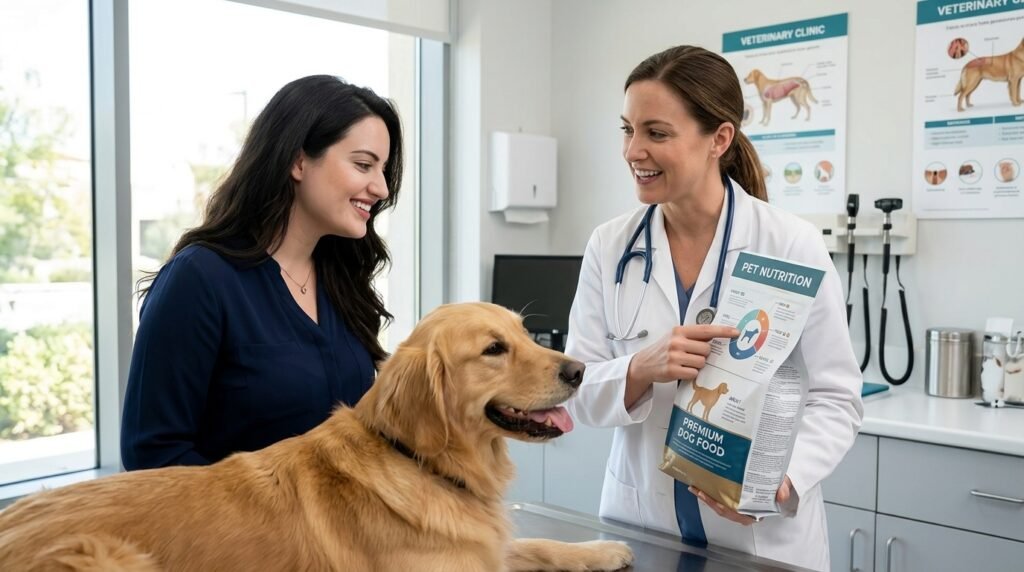
For dogs with existing health problems, consult your veterinarian before introducing a raw diet or any major dietary change.
FAQs
Can dogs eat raw meat safely?
Dogs can physically eat raw meat, but raw meat may contain harmful bacteria and can create nutritional risks when fed as an improperly formulated diet. The CDC does not recommend feeding raw pet food because of potential health risks to pets and people.
Can dogs eat raw beef?
Dogs can consume raw beef, but raw beef may carry harmful bacteria. If you want to add beef to your dog’s diet, plain, properly cooked beef is generally a lower-risk option.
Can dogs eat raw chicken?
Raw chicken can expose dogs to pathogens such as Salmonella and Campylobacter and may also create hazards if bones are swallowed. Veterinary guidance is recommended before feeding raw chicken regularly.
What happens if my dog accidentally eats raw meat?
Some dogs may experience no symptoms after a small accidental exposure, while others may develop vomiting, diarrhea, or other signs of illness. Monitor your dog and contact a veterinarian if symptoms develop or if your dog ate bones, spoiled meat, or a large amount.
Conculsion
So, can dogs eat raw meat?
Yes, dogs are capable of eating raw meat. But that does not mean raw meat is automatically safe, nutritionally complete, or appropriate for every dog.
The biggest concerns include:
- Bacterial contamination.
- Foodborne illness.
- Risk to people in the household.
- Nutritional deficiencies.
- Bone and choking hazards.
- Additional risks from fat, seasonings, or poor food handling.
- Greater concerns for puppies, seniors, and medically vulnerable dogs.
For most dog owners, a complete and balanced diet and properly cooked fresh foods are easier ways to provide nutrition while reducing food-safety risks.
Before making a major dietary change, talk with your veterinarian about your dog’s individual needs.
Your dog deserves more than a diet that simply looks natural. They deserve one that is nutritionally complete, appropriate for their life stage, and as safe as possible.
Key Takeaways
- Consider the context around the behavior.
- Look for patterns instead of relying on one signal.
- Seek qualified help when behavior is sudden, severe, or unsafe.
Frequently Asked Questions
Is every behavior a sign of the same emotion?
Not necessarily. Dogs use combinations of signals, and context matters.
When should I contact a professional?
Consider veterinary or qualified behavior support for sudden, severe, escalating, or safety-related concerns.