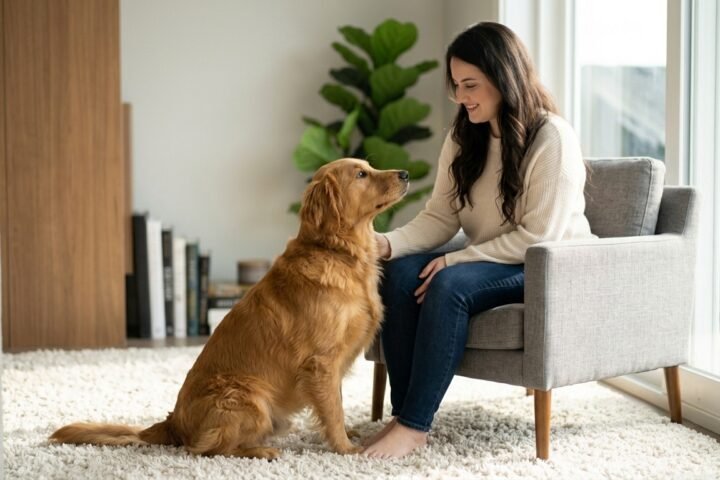
The best answer depends on your dog, the context, and the full pattern of behavior. Look at multiple signals rather than one isolated action.
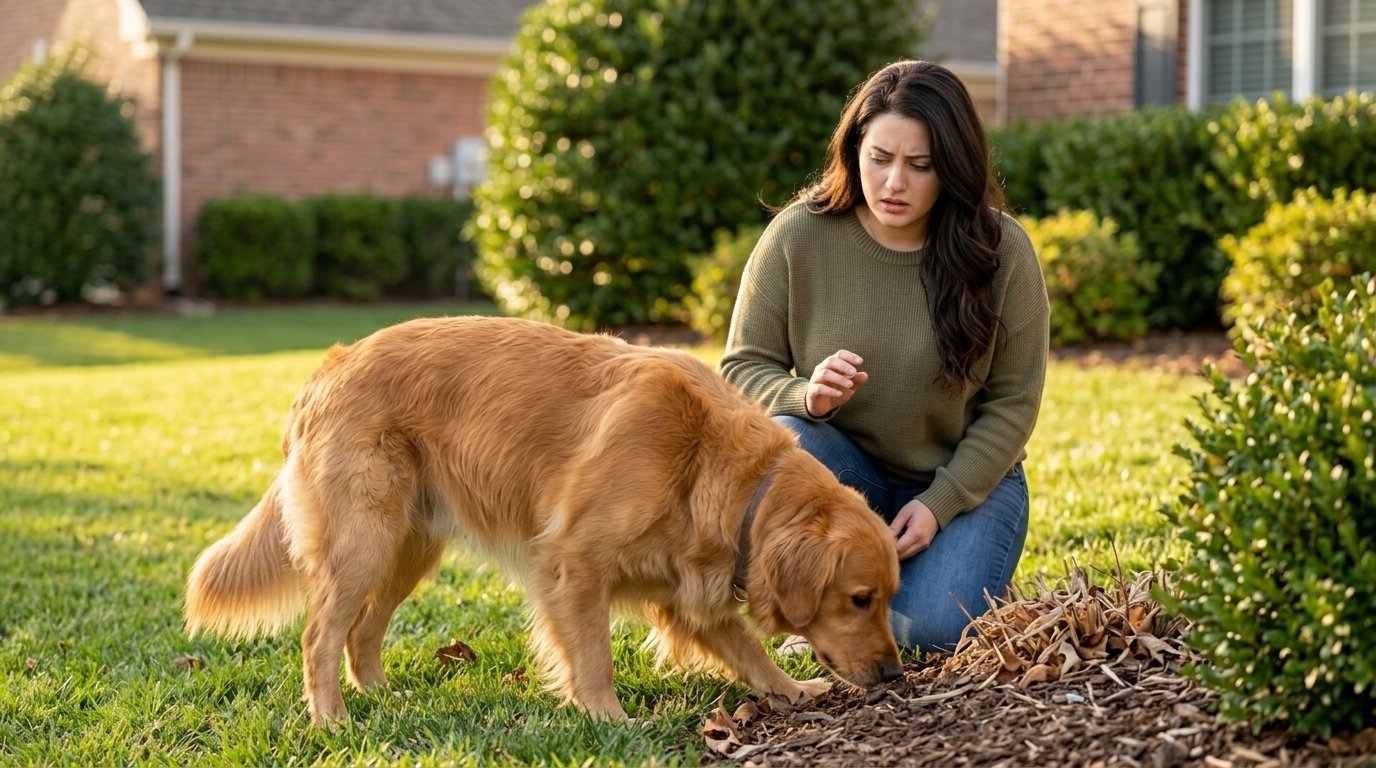
If you’ve ever caught your dog eating poop, you’re probably asking one question: why do dogs eat poop? As unpleasant as this behavior may seem, it is more common than many pet owners realize.
The scientific term for eating feces is coprophagia. Dogs may eat their own poop, another dog’s poop, or even the feces of other animals. The reasons can range from normal canine instincts and learned behavior to boredom, stress, dietary problems, or underlying medical issues.
The good news is that poop-eating behavior can often be reduced or stopped once you identify the likely cause.
In this guide, you’ll learn why do dogs eat poop, the 13 most common reasons behind the behavior, and practical steps you can take to help your dog stop safely.
Table of Contents
What Is Coprophagia in Dogs?
Coprophagia is the medical and behavioral term used when a dog eats feces. Although humans naturally find the behavior disgusting, dogs do not necessarily view poop the same way we do.
Some forms of coprophagia may be linked to normal canine behavior, especially in puppies or nursing mothers. However, repeated poop eating can also develop because of environmental factors, learned habits, stress, nutritional concerns, or medical problems.
Understanding why do dogs eat poop is important because the best solution depends on what is causing the behavior in the first place.
Why Do Dogs Eat Poop? 13 Possible Reasons
1. Normal Maternal Behavior
Mother dogs may eat the feces of their puppies during the first few weeks after birth. This helps keep the nesting area clean and may also reduce odors that could attract predators in a natural environment.
This behavior is generally considered normal during early puppy care.
However, adult dogs that continue eating poop outside this situation may have a different reason for doing it.
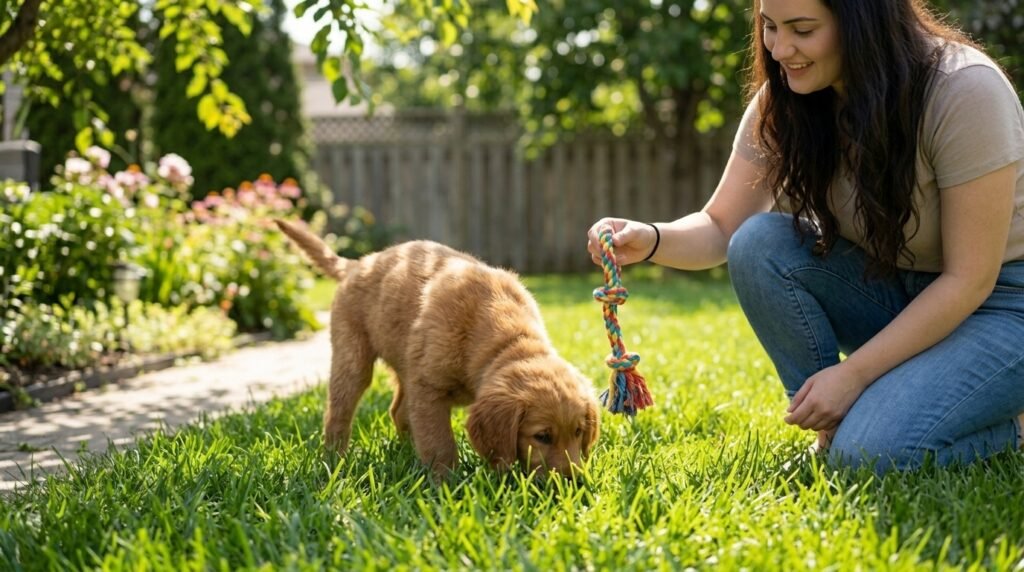
2. Puppies Are Curious
Puppies explore the world with their mouths. They may chew, lick, or eat objects simply because they are investigating something unfamiliar.
For some puppies, poop eating may begin as exploration.
The behavior may disappear as the puppy matures, especially when owners consistently redirect the puppy toward appropriate toys, treats, and activities.
3. They Like the Smell or Taste
One simple answer to why do dogs eat poop is that some dogs find certain feces appealing.
This may sound unpleasant, but a dog’s sense of smell is far more powerful than ours. Undigested food particles in stool may make feces interesting or rewarding to some dogs.
Dogs may be particularly attracted to:
- Cat feces
- Horse manure
- Rabbit droppings
- Goose droppings
- Stool containing partially digested food
Cat feces can be especially tempting because cat food is often high in protein and fat, leaving scents and food remnants that attract some dogs.
4. They Learned the Behavior
Dogs learn through repetition and reward.
If a dog eats poop and finds the experience rewarding, the behavior may become a habit. Even negative attention from an owner can sometimes reinforce unwanted behavior if the dog sees the reaction as exciting or interesting.
For example, if you repeatedly chase your dog after discovering poop in its mouth, your dog may begin treating the situation like a game.
Instead of punishment, focus on management, supervision, and teaching alternative behaviors.
5. Boredom and Lack of Mental Stimulation
Dogs that spend long periods without physical activity or mental enrichment may develop unusual behaviors to entertain themselves.
A bored dog may investigate the environment more intensely and experiment with behaviors that eventually become habits.
Helpful enrichment options include:
- Puzzle toys
- Snuffle mats
- Training games
- Scent work
- Interactive play
- Safe chew toys
- Regular walks
Increasing daily enrichment can be especially helpful if poop eating happens when your dog is alone or under-stimulated.
6. Stress or Anxiety
Stress can contribute to repetitive or unusual behaviors in dogs.
Changes such as moving to a new home, spending long periods alone, changes in routine, or conflict with another pet may increase anxiety.
Some dogs may eat poop as a stress-related or displacement behavior.
Watch for additional signs such as:
- Excessive licking
- Pacing
- Destructive behavior
- Increased vocalization
- Hiding
- Changes in appetite
- House-training accidents
If anxiety appears to be a major factor, addressing the underlying stress is usually more effective than simply trying to block access to poop.
7. They Are Trying to Keep Their Area Clean
Dogs may sometimes eat feces because they have learned to associate visible poop with an owner’s negative reaction.
For example, a dog that has been harshly punished for accidents indoors may attempt to remove the evidence.
This is one reason punishment is not recommended as a house-training strategy.
If your dog has accidents indoors, calmly clean the area and focus on reinforcing appropriate bathroom behavior outside.
8. Competition With Other Dogs
In multi-dog households, some dogs may eat another dog’s poop quickly.
Possible reasons include:
- Competition around food
- Excitement
- Resource-related behavior
- Habit formation
- Keeping the environment clean
Supervising dogs during potty breaks and cleaning up immediately can prevent the behavior from becoming an established routine.
9. Hunger or an Inadequate Diet
Some dogs may search for additional food sources when they are not getting enough calories or nutrients.
This does not mean every dog that eats poop has a nutritional deficiency. However, diet quality, feeding schedule, calorie intake, and nutrient absorption should all be considered.
A veterinarian can help determine whether your dog is eating an appropriate amount for their:
- Age
- Size
- Breed
- Activity level
- Body condition
- Health status
Before changing your dog’s food or adding supplements, it is best to identify whether there is an actual nutritional concern.
10. Poor Nutrient Absorption
Sometimes dogs eat unusual substances when they are not properly digesting or absorbing nutrients.
Digestive disorders and certain medical conditions can affect how the body processes food.
If poop eating suddenly begins alongside symptoms such as weight loss, diarrhea, vomiting, increased appetite, or changes in stool, contact your veterinarian.
These signs may suggest that the issue is not simply behavioral.
11. Intestinal Parasites
Intestinal parasites can sometimes affect a dog’s digestion and nutritional status.
Regular veterinary examinations and fecal testing can help identify parasites and other gastrointestinal problems.
Signs that may occur with intestinal parasites include:
- Diarrhea
- Vomiting
- Weight loss
- Pot-bellied appearance
- Changes in appetite
- Visible worms or abnormal stool
Not every dog that eats poop has parasites, but a sudden change in behavior is worth discussing with a veterinarian.
12. Medical Conditions That Increase Appetite
Certain health conditions can cause increased hunger or unusual eating behaviors.
For example, conditions that affect metabolism or nutrient absorption may make a dog feel unusually hungry.
Some medications can also increase appetite.
If your dog suddenly becomes obsessed with food or begins eating poop after never doing so before, a veterinary checkup is a sensible first step.
13. The Behavior Has Become a Habit
Sometimes there is no single medical or nutritional explanation.
A dog may have started eating poop because of curiosity, boredom, or opportunity, and the behavior simply became a repeated habit.
The longer a dog practices the behavior, the more difficult it may become to change.
That is why prevention and consistent management are important.
Is It Dangerous for Dogs to Eat Poop?
Eating feces can expose dogs to parasites, bacteria, viruses, and potentially harmful substances.
The level of risk depends on the source of the feces and the health status of the animal that produced it.
For example, poop from another animal may contain parasites or infectious organisms. Feces can also contain medication residues or other substances that may not be safe for your dog.
If your dog regularly eats poop, especially from unknown animals, it is a good idea to discuss the behavior with your veterinarian.
The risk may be higher if your dog develops symptoms such as vomiting, diarrhea, lethargy, or loss of appetite after eating feces.
How to Stop a Dog From Eating Poop
Now that we’ve covered why do dogs eat poop, the next step is prevention.
There is no single solution that works for every dog. The best approach is usually a combination of management, training, enrichment, and veterinary care when needed.
1. Clean Up Poop Immediately
The simplest way to prevent poop eating is to remove the opportunity.
Clean up your yard as quickly as possible and supervise your dog during bathroom breaks.
The less access your dog has to feces, the fewer opportunities they have to repeat the behavior.
2. Keep Your Dog on a Leash During Potty Breaks
If your dog immediately turns toward poop after eliminating, use a leash during bathroom trips.
Once your dog finishes, calmly guide them away from the area and reward them for moving toward you.
Over time, your dog can learn that walking away from poop leads to something better.
3. Teach a Strong “Leave It” Cue
A reliable leave it command can be extremely useful.
Start training with low-value objects and gradually practice around more challenging distractions.
A basic process is:
- Show your dog a treat in your closed hand.
- Wait until your dog stops trying to get it.
- Reward the moment they disengage.
- Add the verbal cue “leave it.”
- Gradually increase the difficulty.
Avoid practicing with actual feces during early training. Build the behavior with safer objects first.
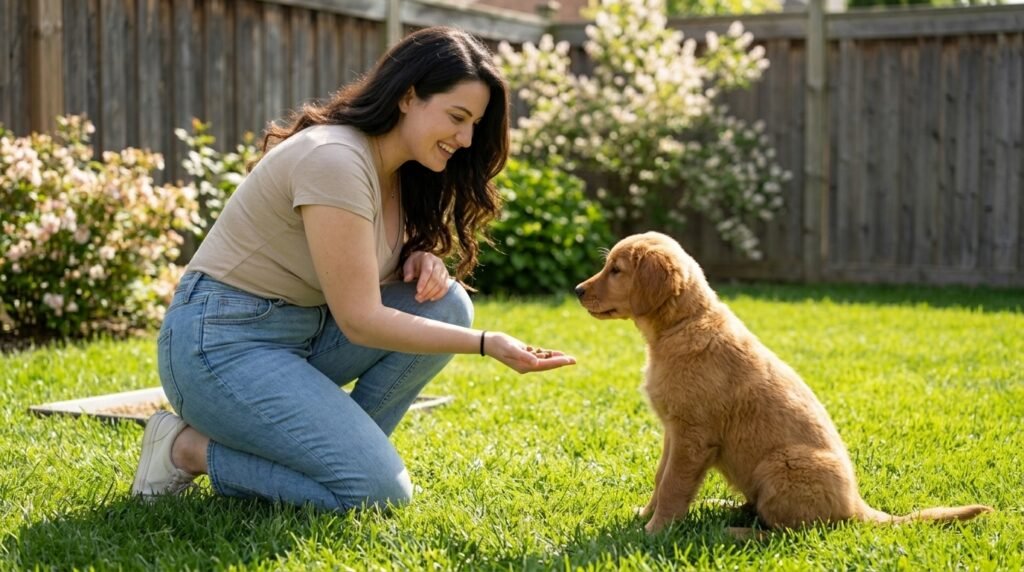
4. Reward Your Dog for Walking Away
Positive reinforcement can help replace the unwanted behavior.
When your dog finishes going to the bathroom and immediately turns away from the poop, reward them with:
- Praise
- A high-value treat
- A favorite toy
- A short game
The goal is to make walking away more rewarding than returning to the stool.
5. Improve Exercise and Mental Enrichment
If boredom contributes to the behavior, increasing enrichment may help.
Try rotating activities instead of offering the same routine every day.
Examples include:
- Food puzzles
- Hide-and-seek games
- Short training sessions
- Sniffing walks
- Scatter feeding
- Nose work games
Mental exercise can be just as valuable as physical activity for many dogs.
6. Review Your Dog’s Diet With a Veterinarian
Do not assume that poop eating automatically means your dog needs supplements or a new food.
Instead, review your dog’s diet, calorie intake, body condition, and overall health with a veterinarian.
If a nutritional or digestive problem is contributing to the behavior, treating the underlying issue may help.
7. Avoid Punishment
Do not yell at your dog, hit them, or force their face near feces.
Punishment can increase stress and may even encourage some dogs to eat poop more quickly to avoid being caught.
A calmer strategy is more effective:
Prevent access → redirect the behavior → reward the correct choice.
8. Ask Your Veterinarian About Sudden Behavior Changes
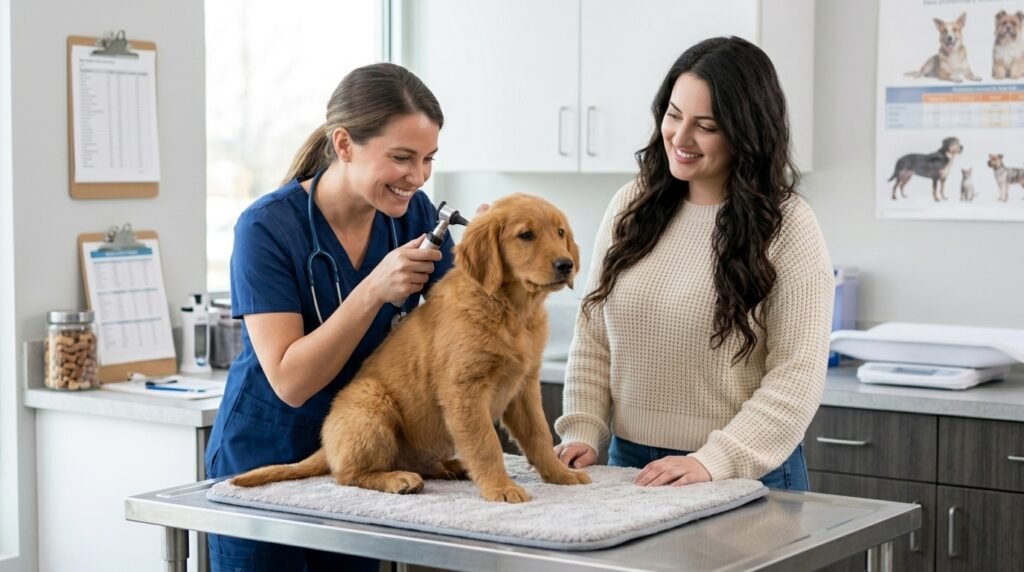
If your dog suddenly starts eating poop, especially as an adult, schedule a veterinary visit.
Your veterinarian may recommend:
- A physical examination
- Fecal testing
- Dietary review
- Blood tests
- Evaluation for digestive or metabolic conditions
This is particularly important when poop eating occurs alongside other changes in health or behavior.
“Good Manners Training in 7 Days: A Proven, Essential Guide for Your Dog”
Common Mistakes That Can Make Coprophagia Worse
When trying to solve the problem, avoid these common mistakes:
Chasing Your Dog
Chasing can turn the situation into a game or encourage your dog to swallow the poop faster.
Punishing Your Dog
Punishment can increase fear and stress without addressing the reason behind the behavior.
Leaving Poop in the Yard
Repeated access allows the behavior to become more established.
Ignoring Sudden Changes
A sudden obsession with eating poop may occasionally be connected to a health problem that needs attention.
Trying Random Supplements
Supplements and home remedies are not guaranteed to solve coprophagia. Always consider the underlying cause first.
When Should You Call a Veterinarian?
You should contact a veterinarian if poop eating:
- Starts suddenly
- Becomes frequent or obsessive
- Occurs with weight loss
- Happens alongside vomiting or diarrhea
- Is accompanied by a major increase in appetite
- Occurs with lethargy or other behavior changes
A veterinarian can help rule out parasites, digestive disorders, nutritional problems, and other medical causes.
For general guidance on digestive and parasite concerns, reputable veterinary resources such as the American Veterinary Medical Association and Merck Veterinary Manual can also provide useful background information.
Frequently Asked Questions
Why do dogs eat poop even when they eat good food?
A balanced diet does not always prevent coprophagia. Dogs may eat poop because of habit, curiosity, stress, boredom, opportunity, or attraction to the smell and taste.
Why do puppies eat poop?
Puppies often explore objects with their mouths. Some puppies experiment with poop because of curiosity, although persistent behavior should still be monitored.
Can dogs get sick from eating poop?
Yes. Depending on the source, feces may expose dogs to parasites, bacteria, infectious organisms, or harmful substances.
Why does my dog eat cat poop?
Cat feces may contain appealing smells and partially digested food. Many dogs are attracted to litter boxes, so restricting access is important.
Final Thoughts: Why Do Dogs Eat Poop?
So, why do dogs eat poop? The answer depends on the individual dog.
The behavior may be related to curiosity, instinct, boredom, stress, learned habits, diet, digestive problems, parasites, or other medical concerns.
The most effective solution is usually not punishment. Instead, focus on preventing access, cleaning up quickly, teaching your dog to leave feces alone, providing enrichment, and investigating possible health issues when the behavior is sudden or persistent.
With consistent management and the right approach, many dogs can learn healthier habits.
Next step for PawMindTips readers: If your dog is showing other unusual eating behaviors, changes in appetite, or digestive symptoms, consider scheduling a veterinary examination to rule out an underlying health problem.
Key Takeaways
- Consider the context around the behavior.
- Look for patterns instead of relying on one signal.
- Seek qualified help when behavior is sudden, severe, or unsafe.
Frequently Asked Questions
Is every behavior a sign of the same emotion?
Not necessarily. Dogs use combinations of signals, and context matters.
When should I contact a professional?
Consider veterinary or qualified behavior support for sudden, severe, escalating, or safety-related concerns.