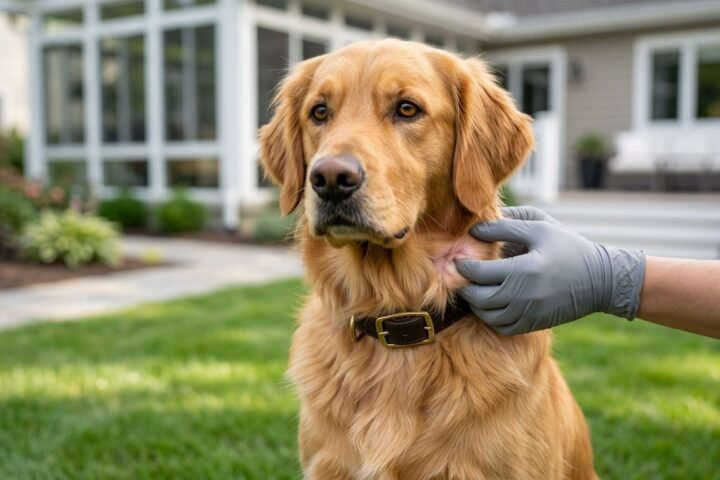
The best answer depends on your dog, the context, and the full pattern of behavior. Look at multiple signals rather than one isolated action.
Knowing how to tell if your dog is in pain can be difficult because dogs do not always cry, whine, or limp when something hurts. Many dogs continue eating, walking, and interacting with their families even when they are uncomfortable. Instead of showing obvious pain, they may make small changes in their behavior, posture, movement, sleep, appetite, or daily routine.
Veterinary pain-management guidance emphasizes that owners are often in the best position to notice changes because they know what is normal for their dog. A sudden difference from your dog’s usual behavior can be an important clue that something is wrong.
If you are wondering how to tell if your dog is in pain, the most useful approach is to look for patterns rather than waiting for one dramatic symptom. A dog that suddenly avoids stairs, pants while resting, repeatedly licks one area, becomes unusually withdrawn, or changes the way they lie down may be communicating discomfort.
This guide explains nine important warning signs, what they can mean, and when your dog’s symptoms deserve prompt veterinary attention.
Important: This article is for general educational purposes and is not a diagnosis. Pain can have many causes, including injuries, dental disease, arthritis, digestive problems, infections, and internal conditions. If you are concerned about your dog, contact your veterinarian.
Table of Contents
Why Dogs May Hide Pain
One reason how to tell if your dog is in pain can be challenging is that dogs may not display pain in an obvious human-like way.
A dog may not cry even when experiencing significant discomfort. Instead, you might notice that your normally energetic dog sleeps more, stops jumping onto furniture, walks more slowly, avoids being touched, or seems less interested in family activities.
Veterinary sources recommend paying attention to changes in demeanor, behavior, posture, movement, and daily activities. The American Animal Hospital Association’s pain-management guidelines also note that changes in behavior, posture, and movement can provide valuable information when assessing pain in dogs.
That means your dog’s normal baseline matters.
For example:
- A naturally quiet dog becoming completely withdrawn is significant.
- A dog that normally races upstairs suddenly refusing stairs deserves attention.
- A dog that usually loves being touched suddenly growling when handled may be uncomfortable.
- A dog that normally sleeps peacefully but repeatedly gets up and changes position may be struggling to get comfortable.
The individual sign does not always prove that your dog is in pain. However, a new or worsening pattern should not be ignored.
9 Warning Signs That May Mean Your Dog Is in Pain
1. Your Dog Suddenly Changes Behavior
One of the most important clues when learning how to tell if your dog is in pain is an unexplained change in personality or behavior.
Pain can make a friendly dog less social. Some dogs become withdrawn and prefer to stay alone. Others become unusually irritable, clingy, anxious, or defensive.
You may notice your dog:
- Hiding more often
- Avoiding family members
- Losing interest in play
- Becoming unusually quiet
- Acting restless or anxious
- Growling when approached
- Becoming defensive when touched
- No longer greeting you normally
- Seeming unusually sensitive or irritable
A behavioral change does not automatically mean pain. Anxiety, fear, illness, environmental changes, and other issues can cause similar behaviors. But when a noticeable personality change appears alongside mobility problems, appetite changes, panting, licking, or other physical signs, pain becomes an important possibility to discuss with your veterinarian.
VCA notes that dogs experiencing pain may become withdrawn, antisocial, or unusually aggressive when approached or handled.
The key is to compare today’s behavior with your dog’s normal behavior.
2. Limping, Stiffness, or Reluctance to Move
Changes in movement are among the easiest physical clues to notice.
Your dog may limp on one leg, take shorter steps, move more slowly, hesitate before jumping, or appear stiff after resting. Some dogs stop doing activities they previously enjoyed.

Watch for behaviors such as:
- Limping
- Difficulty getting up
- Stiffness after sleeping
- Walking more slowly
- Avoiding stairs
- Hesitating before jumping into the car
- Refusing to jump onto furniture
- Reduced interest in exercise
- Difficulty sitting or lying down
- Shifting weight from one leg to another
These signs can be associated with many problems, including injuries, sore paws, muscle problems, joint disease, arthritis, or other orthopedic conditions.
Vets Now identifies stiffness, limping, reluctance to exercise, unusual gait, and difficulty climbing stairs among signs associated with pain and lameness.
Do not assume a mobility change is simply part of getting older. While age-related joint disease is common, an older dog that becomes increasingly reluctant to move may need veterinary assessment.
If your dog cannot stand, has a suspected fracture or dislocation, is dragging a limb, or has severe swelling or bleeding, seek urgent veterinary care.
3. Excessive Panting or Changes in Breathing
Panting is normal after exercise, during hot weather, or when a dog is excited. But unexplained panting while resting can be a warning sign.
When considering how to tell if your dog is in pain, ask yourself:
Is my dog panting for a normal reason?
If your dog is lying quietly in a comfortable, cool room but is suddenly panting heavily, something may be wrong.
Pain-related panting may occur alongside:
- Restlessness
- Difficulty settling down
- Trembling
- Changes in posture
- Whining
- Reduced activity
- Anxiety
- A reluctance to be touched
Vets Now lists heavy panting or altered breathing among warning signs associated with pain. VCA also identifies excessive panting while resting as a possible pain-related change.
However, breathing changes can also indicate serious respiratory, cardiovascular, metabolic, or other medical problems. If your dog is struggling to breathe, has blue, gray, or very pale gums, collapses, or appears severely distressed, seek emergency veterinary care rather than trying to determine the cause at home.
For general guidance on recognizing concerning pet symptoms, see the PawMindTips Pet Care resources.
4. Your Dog Keeps Licking or Chewing One Area
Dogs naturally groom themselves, but repeated attention to one specific area can be meaningful.
A dog experiencing discomfort may repeatedly lick, chew, or groom a painful body part. You might notice your dog constantly licking a paw, joint, skin area, or another part of the body.
This can happen because the dog is trying to respond to irritation or discomfort.
Look for:
- Repeated licking of one area
- Chewing at a particular body part
- Hair loss
- Red or irritated skin
- Swelling
- Sensitivity when touched
- A sudden increase in grooming
VCA identifies obsessive licking or chewing at painful areas as a potential sign of pain.
However, excessive licking does not always mean pain. Allergies, skin infections, parasites, wounds, anxiety, and other conditions can produce similar behavior.
The location can provide useful information. A dog repeatedly licking a paw may have a paw injury, while persistent licking near a joint may accompany musculoskeletal discomfort.
Do not repeatedly press or manipulate a painful area to “test” your dog. A frightened or painful dog may react defensively even if they are normally gentle.

5. Changes in Appetite, Eating, or Drinking
A sudden change in appetite is another clue to watch.
Some dogs in pain eat less or refuse food altogether. Others may show difficulty eating even though they remain interested in food.
Dental or oral pain can be particularly easy to miss because a dog may still want to eat but struggle with hard food or chewing.
Watch for:
- Eating less
- Refusing meals
- Dropping food
- Chewing unusually slowly
- Avoiding hard treats
- Drooling more than usual
- Changes in drinking
- Sudden weight loss
Vets Now lists changes in eating and drinking habits among possible signs of pain and notes that difficulty eating can sometimes indicate dental pain.
A loss of appetite can also occur with many illnesses that are not primarily caused by pain. Therefore, it should be considered alongside other symptoms.
If your dog refuses food, especially when accompanied by vomiting, weakness, severe lethargy, abdominal discomfort, or other concerning symptoms, contact your veterinarian promptly.
You can also explore PawMindTips Nutrition resources for broader guidance on healthy feeding habits.
6. Restlessness, Pacing, or Trouble Getting Comfortable
Sometimes the answer to how to tell if your dog is in pain is visible when your dog is trying to rest.
A painful dog may repeatedly lie down, get up, walk around, turn in circles, and try another position. They may appear tired but unable to settle.
You might see:
- Pacing
- Repeated position changes
- Difficulty lying down
- Difficulty getting up
- Restless sleeping
- Whining or groaning
- Repeatedly moving between rooms
- Refusing their normal sleeping position
Vets Now identifies agitation and restlessness as possible indicators of pain, while VCA notes that pacing can occur when a dog cannot get comfortable.
Pay special attention if this behavior is new.
For example, if your dog normally sleeps through the night but suddenly spends several hours pacing, that is a meaningful change.
Restlessness can also occur with anxiety, overheating, gastrointestinal problems, or other medical conditions, so the complete picture matters.
7. Unusual Posture or Facial Expression
Pain can change the way a dog holds their body.
A dog may arch their back, hunch over, lower their head, stand unusually rigidly, or shift weight away from a painful limb.
Some dogs may also adopt what veterinarians describe as a “prayer” position, with the front end lowered and the rear end raised. This posture can be associated with abdominal discomfort, although posture alone cannot diagnose a specific condition.
The AAHA pain-management guidelines explain that dogs may change posture and movement to reduce discomfort. They also note that a tucked-up appearance can occur with abdominal pain and that abnormal postural straining may indicate certain types of pain.
Facial changes can be subtle too.
You may notice:
- Partially closed eyes
- A tense facial expression
- Ears held differently than usual
- A vacant or distant stare
- Tight facial muscles
- An unusual head position
VCA also describes changes in facial expression as one possible indicator of canine pain.
If your dog’s posture suddenly looks different, take a short video from a safe distance. Videos can be useful because some pain-related behaviors may not occur during a veterinary examination. AAHA specifically notes that home videos and photos can help veterinarians evaluate changes that may be difficult to reproduce in the clinic.
8. Whining, Growling, or Other Unusual Vocalizations
Some dogs vocalize when they are uncomfortable, while others remain completely silent.
Possible pain-related vocalizations include:
- Whining
- Whimpering
- Groaning
- Yelping
- Growling
- Unusual howling
But vocalization should never be used as the only test.
A dog may be experiencing pain without making any sound. Conversely, vocalization can result from fear, anxiety, excitement, frustration, or other emotional states.
VCA lists groaning, grunting, whining, and whimpering among possible pain-related changes.
One especially important clue is when your dog vocalizes.
For example, if your dog whines when standing up, climbing stairs, being lifted, or lying down, the pattern may help your veterinarian understand what is happening.
Never punish a dog for growling when they may be painful. A growl can be a warning that the dog feels threatened or uncomfortable. Give the dog space and contact your veterinarian.
9. Trembling, Shaking, or Sudden Physical Changes
Trembling is another sign that should not automatically be dismissed.
A dog may shake because they are cold, frightened, excited, stressed, or experiencing pain. Therefore, context matters.
Pain may be more concerning when trembling appears together with:
- Restlessness
- Panting
- Hiding
- A hunched posture
- Limping
- Reduced appetite
- Vocalization
- Sensitivity to touch
- Sudden behavioral changes
Vets Now lists shaking or trembling among potential signs of pain and notes that it can also occur with serious medical conditions.
If trembling begins suddenly and your dog also appears weak, confused, severely distressed, unable to walk normally, or otherwise very unwell, do not wait to see whether the symptom disappears.
How to Tell If Your Dog Is in Pain When There Is No Limping
One of the biggest misconceptions about canine pain is that a dog must limp if something hurts.
That is not true.
A dog can experience pain without obvious limping. Pain may instead appear as a change in behavior, appetite, posture, sleep, grooming, activity, or interaction.
For example, your dog may:
- Stop jumping onto the couch
- Avoid stairs
- Sleep in a different position
- Become less social
- Pant while resting
- Lick one area repeatedly
- Stop playing
- Move more cautiously
- Become defensive when touched
This is why understanding how to tell if your dog is in pain requires observing the whole dog rather than searching for one classic symptom.
AAHA’s guidelines emphasize comparing a dog’s current behavior with their normal behavior and recognize changes in demeanor, movement, posture, and daily activities as important parts of pain assessment.
What Should You Do If You Think Your Dog Is in Pain?
If you notice one mild and temporary change, monitor your dog carefully and consider contacting your veterinarian for advice.
If several warning signs appear together, or a change persists or worsens, veterinary evaluation becomes more important.
Before the appointment, make notes about:
- When the change started
- Whether it appeared suddenly or gradually
- What activities make it worse
- Whether your dog is eating and drinking normally
- Changes in urination or bowel movements
- Changes in sleep
- Changes in walking or jumping
- Any recent injury
- Any new medication or supplement
- Anything unusual your dog may have eaten
If possible, record short videos of your dog walking, getting up, climbing stairs, or displaying unusual behavior. AAHA notes that owner-recorded videos and photos can help veterinarians evaluate behaviors that may not appear during an examination.
Do not force your dog to perform an activity simply to record it.
When Is Dog Pain an Emergency?
Some situations require immediate veterinary attention rather than observation at home.
Seek urgent veterinary care if your dog has signs such as:
- Difficulty breathing
- Collapse or loss of consciousness
- Inability to stand or walk
- Severe or uncontrolled bleeding
- A suspected fracture or dislocation
- Severe abdominal swelling or distress
- Repeated vomiting with weakness or severe discomfort
- Sudden severe pain
- Seizures
- Pale, blue, gray, or abnormal gums
- Suspected poisoning
- Serious trauma
- Rapid deterioration
The American Veterinary Medical Association’s first-aid guidance emphasizes that first aid is not a replacement for veterinary treatment and recommends contacting a veterinarian or emergency veterinary hospital for serious injuries or emergencies.
When in doubt, it is safer to contact a veterinary professional than to try to diagnose the cause yourself.
What Not to Give a Dog for Pain
If you are searching how to tell if your dog is in pain, you may also wonder whether you can give your dog something from your medicine cabinet.
Do not give your dog human pain medication unless your veterinarian specifically instructs you to do so.
The FDA warns that human pain relievers such as ibuprofen and naproxen may not be safe for dogs and can cause serious gastrointestinal, kidney, or liver problems. Acetaminophen can also cause serious toxicity in pets when improperly used.
This also means you should not automatically give your dog leftover medication prescribed for another pet.
Pain treatment depends on the underlying cause, the dog’s size and health, other medications, and many other factors. FDA-approved NSAIDs for dogs are prescription medications and should be used under veterinary guidance.
If your dog has already swallowed human pain medication, contact a veterinarian or appropriate animal poison service immediately rather than waiting for symptoms.
How Veterinarians Determine Whether a Dog Is in Pain
A veterinarian does more than look for limping.
During an examination, the veterinarian may evaluate your dog’s:
- Gait
- Posture
- Movement
- Behavior
- Appetite history
- Activity level
- Response to handling
- Physical condition
- Painful areas
- Medical history
Depending on the suspected cause, additional testing may be recommended.
AAHA explains that canine pain assessment can include owner observations, clinical examination, posture and movement assessment, and other diagnostic or monitoring tools.
This is one reason your observations at home are valuable. You see your dog during normal activities that may not occur in a veterinary examination room.
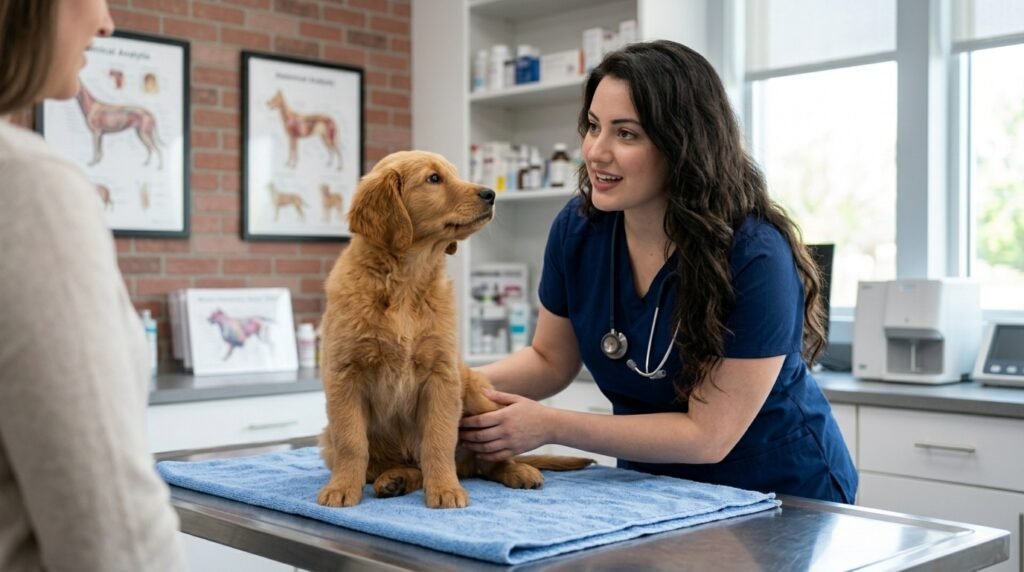
Can You Monitor Your Dog’s Pain at Home?
Yes, but monitoring should complement—not replace—professional veterinary care when pain is suspected.
Create a simple daily record of your dog’s normal activities.
For example, note whether your dog:
- Gets up normally
- Walks comfortably
- Eats normally
- Drinks normally
- Sleeps comfortably
- Wants to play
- Climbs stairs normally
- Jumps or moves as usual
- Wants to interact with the family
- Tolerates normal handling
This can help you recognize gradual changes that might otherwise be easy to miss.
For dogs with ongoing mobility problems, a simple weekly video can also help show whether movement is changing over time.
The goal is not to diagnose your dog yourself. The goal is to notice meaningful changes early and provide your veterinarian with useful information.
Frequently Asked Questions
How can I tell if my dog is in pain without touching them?
Observe their behavior, movement, posture, appetite, breathing, sleep, and activity level. Reluctance to move, unusual panting, restlessness, withdrawal, repeated licking, or changes in posture can all be possible clues. You do not need to touch a painful area to observe these changes.
Will a dog cry if they are in pain?
Not necessarily. Some dogs vocalize when they hurt, but others may remain quiet. Changes in behavior, movement, appetite, posture, and daily habits can be more subtle indicators. A dog not crying does not prove that they are comfortable.
How can I tell if my dog’s panting is caused by pain?
Consider the circumstances. Panting after exercise or in hot weather may be normal, but unexplained heavy panting while your dog is resting can be concerning. If panting occurs with restlessness, trembling, unusual posture, vocalization, or other changes, contact your veterinarian.
What should I do if I think my dog is in pain?
Keep your dog calm, avoid unnecessary handling, and contact your veterinarian for advice. Record useful observations or short videos if it is safe to do so. Do not give human pain medication unless your veterinarian specifically tells you to use it.
Conclusion
Learning how to tell if your dog is in pain starts with knowing what is normal for your individual dog.
Pain does not always look dramatic. Sometimes the first clue is a dog who stops jumping on the couch. Sometimes it is a change in appetite, unusual panting, repeated licking, restlessness, stiffness, trembling, or a personality change.
The most important thing is to pay attention to patterns.
If your dog suddenly behaves differently, especially when several warning signs appear together, do not simply assume the change is caused by aging, stubbornness, or a temporary mood. Your observations can provide valuable information to your veterinarian and may help identify a problem earlier.
Most importantly, never attempt to diagnose or medicate significant pain on your own. A veterinarian can determine the likely cause and recommend an appropriate treatment plan.
When you know how to tell if your dog is in pain, you are better prepared to recognize subtle changes, respond sooner, and advocate for your dog’s comfort and well-being.
Key Takeaways
- Consider the context around the behavior.
- Look for patterns instead of relying on one signal.
- Seek qualified help when behavior is sudden, severe, or unsafe.
Frequently Asked Questions
Is every behavior a sign of the same emotion?
Not necessarily. Dogs use combinations of signals, and context matters.
When should I contact a professional?
Consider veterinary or qualified behavior support for sudden, severe, escalating, or safety-related concerns.