The best answer depends on your dog, the context, and the full pattern of behavior. Look at multiple signals rather than one isolated action.
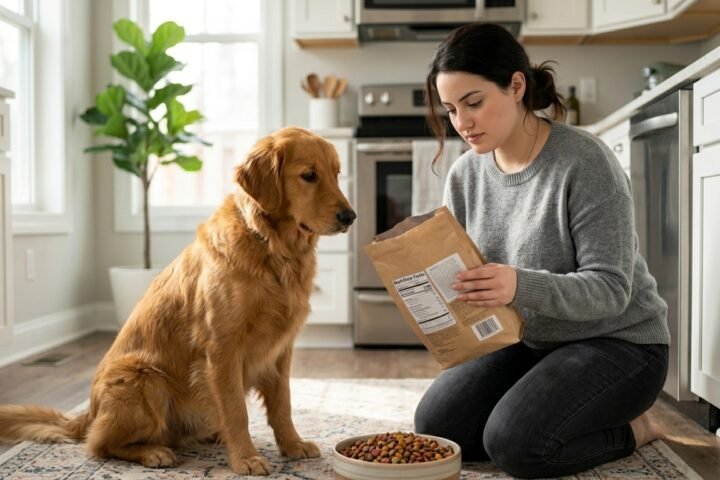
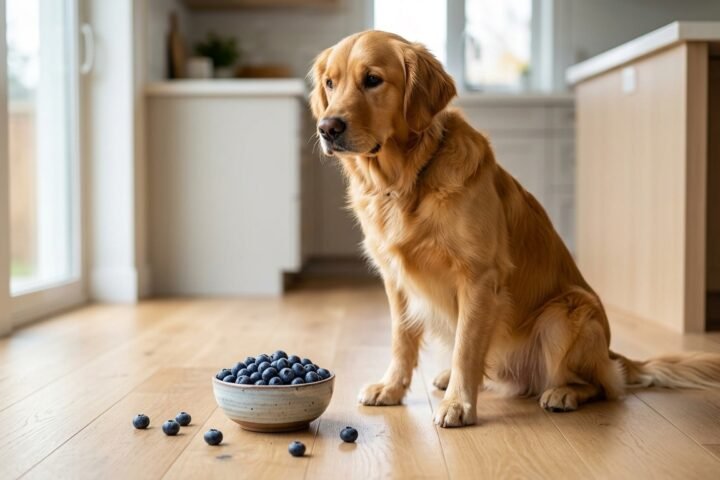
Dogs are naturally curious eaters. If something smells interesting, many dogs will try to eat it—even when that food can be harmful or poisonous.
That is why understanding what not to feed dogs is an important part of responsible pet care. Some foods may cause nothing more than temporary stomach upset, while others can lead to poisoning, organ damage, seizures, anemia, or potentially life-threatening emergencies.
The tricky part is that some dangerous foods look completely harmless to humans. A small piece of chocolate, a few grapes, sugar-free gum, leftover food containing onions, or a bite of garlic-seasoned meat may not seem dangerous. But certain ingredients can affect a dog’s body very differently from ours.
Table of Contents
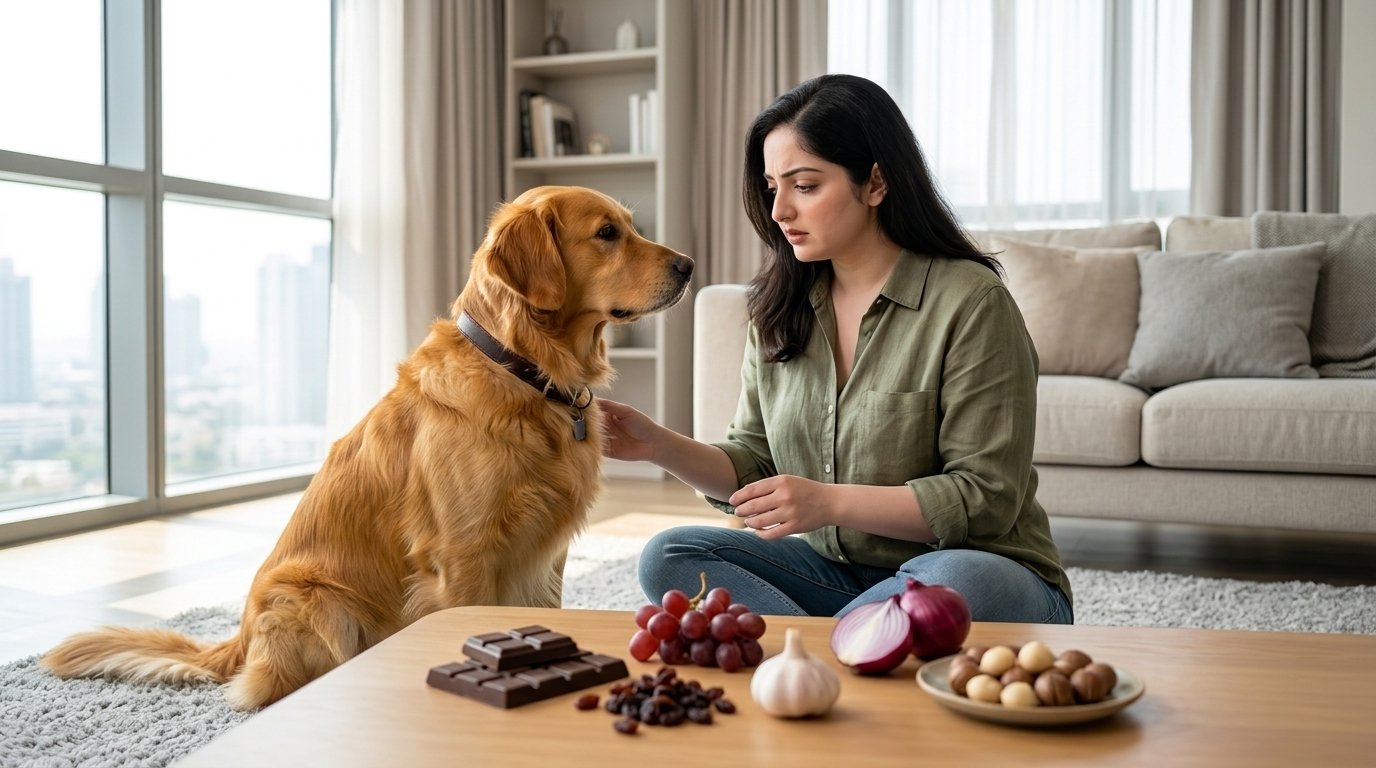
Veterinary sources identify several common human foods and ingredients that can be dangerous to dogs, including chocolate, grapes and raisins, onions and garlic, macadamia nuts, alcohol, yeast dough, and xylitol.
In this guide, we’ll explain what not to feed dogs, why each food can be dangerous, what symptoms owners should watch for, and what to do if a dog accidentally eats something potentially toxic.
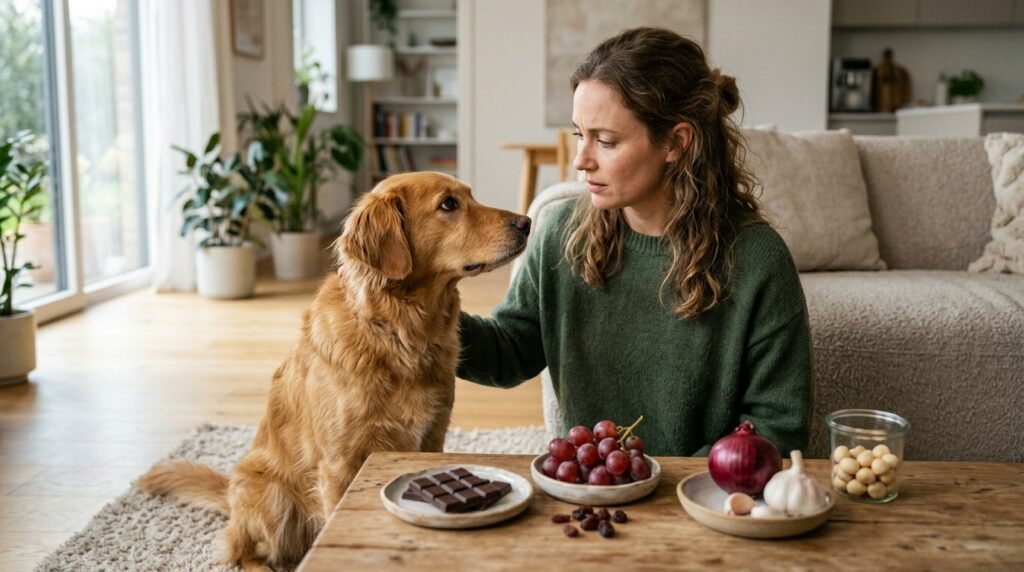
Important: If your dog has eaten a potentially toxic food, don’t wait for symptoms before contacting your veterinarian. The seriousness of an exposure depends on the food, amount eaten, your dog’s size, and other factors.
Quick Answer: What Not to Feed Dogs
The following are among the most important foods and ingredients to keep away from dogs:
- Chocolate
- Grapes and raisins
- Xylitol
- Onions
- Garlic
- Macadamia nuts
- Alcohol
- Raw yeast dough
- Excessively salty foods
- High-fat or heavily seasoned foods
Not every food on this list causes the same type of poisoning. Some can damage specific organs, some can cause dangerous changes in blood sugar, and others can trigger gastrointestinal problems or pancreatitis.
Let’s look at each one in detail.
6 Things Dogs Only Do With Their Dog’s Favorite Person
1. Chocolate
Chocolate is one of the most well-known answers to the question what not to feed dogs.
Chocolate contains methylxanthines, particularly theobromine and caffeine. Dogs process these compounds differently from humans, and ingestion can cause serious toxicity. The risk varies depending on the type and amount of chocolate consumed and the dog’s body weight.
Which chocolate is most dangerous?
Generally, chocolate products with higher concentrations of cocoa contain more methylxanthines. Cocoa powder and baking chocolate are particularly concerning, followed by dark and semisweet chocolate.
Possible signs of chocolate toxicity include:
- Vomiting
- Diarrhea
- Restlessness
- Excessive thirst or urination
- Panting
- Rapid or abnormal heart rhythm
- Tremors
- Seizures
Severe cases can become life-threatening.
What should you do?
If your dog eats chocolate, save the packaging if possible. The veterinarian may need to know the type of chocolate, approximate amount consumed, and your dog’s weight. Chocolate products may also contain other dangerous ingredients, such as raisins, macadamia nuts, or xylitol.
Bottom line: Chocolate belongs firmly on your list of foods dogs should not eat.
2. Grapes and Raisins
Grapes and raisins are another major concern when learning what not to feed dogs.
The exact toxic mechanism has historically been difficult to establish, but veterinary toxicology sources identify tartaric acid as a suspected toxic component. Exposure can result in kidney damage and potentially severe kidney failure.
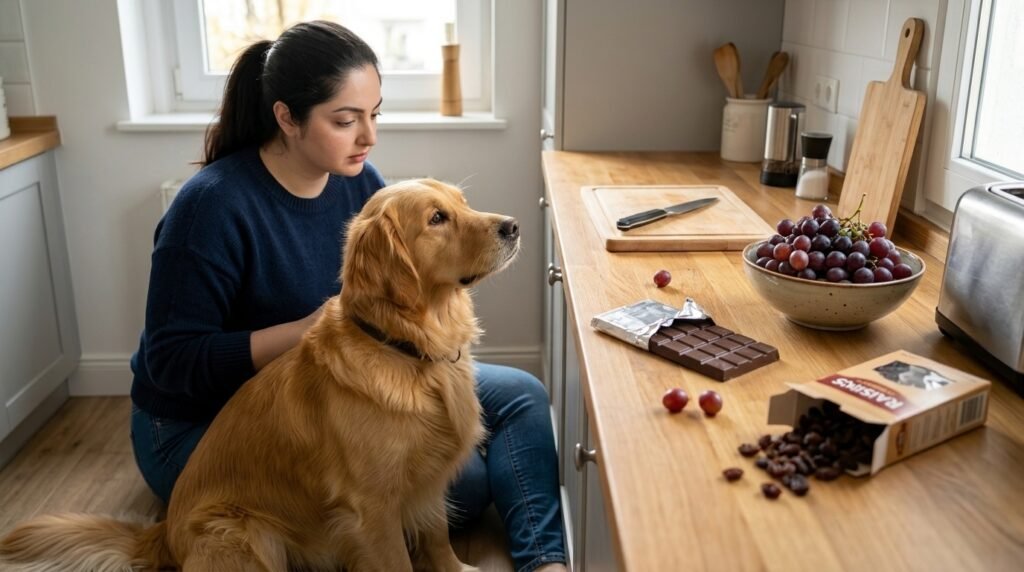
Importantly, don’t assume that a grape is safe simply because your dog has eaten one before without becoming sick. Individual reactions can vary, and the safest approach is to prevent access altogether.
Raisins can be particularly easy to overlook because they are found in foods such as:
- Trail mixes
- Breakfast cereals
- Baked goods
- Granola
- Cookies
- Bread and pastries
Possible warning signs
A dog exposed to grapes or raisins may develop:
- Vomiting
- Lethargy
- Loss of appetite
- Abdominal discomfort
- Changes in thirst or urination
- Signs associated with kidney problems
If your dog eats grapes or raisins, contact your veterinarian promptly rather than waiting for symptoms.
Bottom line: Grapes and raisins should never be intentionally offered as dog treats.
Dog Growl Meaning: 5 Signs It’s a Warning or Play
3. Xylitol
If you’re asking what not to feed dogs, xylitol deserves special attention because it can hide in products that don’t look dangerous.
Xylitol is a sugar substitute used in many human products, including some sugar-free gum, candy, baked goods, desserts, toothpaste, mouthwash, medicines, supplements, and certain nut butters.
For dogs, xylitol can cause a rapid release of insulin, potentially resulting in a dangerous drop in blood sugar. The FDA warns that signs can begin very quickly, and serious complications can include seizures, collapse, and liver failure.
Why xylitol is especially dangerous
A dog doesn’t have to eat a traditional “food” to be exposed. A dog could encounter xylitol in:
- Sugar-free gum
- Sugar-free candy
- Some peanut or nut butters
- Sugar-free desserts
- Toothpaste
- Certain medications
- Dietary supplements
This makes ingredient-label awareness extremely important.
Symptoms can include:
- Vomiting
- Weakness
- Reduced activity
- Difficulty walking
- Collapse
- Tremors
- Seizures
Liver damage and bleeding problems can also occur.
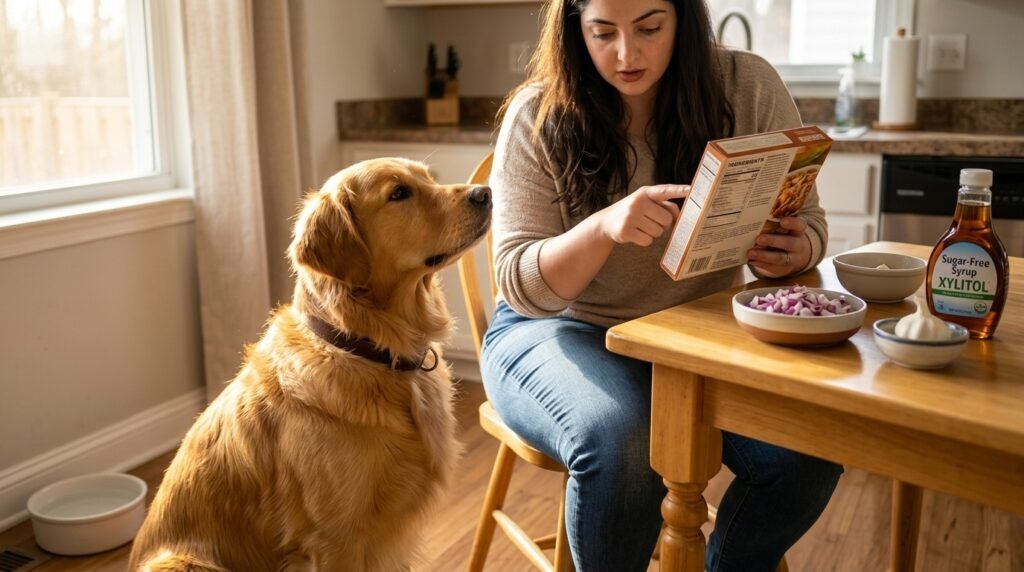
Bottom line: Check labels carefully, especially when giving your dog peanut butter or another human food.
4. Onions
Onions may seem like an ordinary kitchen ingredient, but they belong on the list of foods not to feed dogs.
Onions are part of the Allium family. These plants contain compounds that can damage red blood cells and potentially cause hemolytic anemia. Dogs can be affected by raw, cooked, dehydrated, or powdered forms.
That means simply removing visible onion pieces from a meal may not always be enough.
Onion can be found in:
- Soups
- Sauces
- Gravies
- Seasoned meat
- Baby foods
- Leftovers
- Onion powder
- Spice blends
Concentrated forms such as onion powder can be particularly easy to overlook.
Possible symptoms
Signs may not appear immediately. Dogs can develop:
- Weakness
- Lethargy
- Pale gums
- Reduced appetite
- Rapid breathing
- Rapid heart rate
- Dark or abnormal urine
- Collapse
Veterinary sources note that signs of anemia can take several days to become apparent after exposure.
Bottom line: Don’t intentionally give dogs onions, including cooked onions and onion-containing seasonings.
10 Signs Your Dog Is Stressed (And What To Do About It)
5. Garlic
Garlic is closely related to onions and presents similar concerns.
According to the Merck Veterinary Manual, garlic, onions, chives, and leeks belong to the Allium family. Garlic can be particularly potent, with concentrated forms such as powders and dehydrated products posing an important risk.
This matters because many human foods contain garlic without appearing to be “garlic foods.”
For example, your dog could encounter garlic in:
- Garlic bread
- Pasta sauces
- Seasoned meat
- Marinades
- Restaurant leftovers
- Garlic powder
- Seasoning mixes
Cooking does not automatically make garlic safe for dogs.
Why garlic can be harmful
Allium compounds can cause oxidative damage to red blood cells. Severe exposure can eventually result in hemolytic anemia.
Watch for:
- Weakness
- Lethargy
- Pale gums
- Reduced appetite
- Fast breathing
- Abnormal urine
- Collapse
Bottom line: Garlic is one of the foods dogs should not eat, especially in concentrated forms.
6. Macadamia Nuts
Macadamia nuts may be a healthy snack for humans, but they are not appropriate treats for dogs.
Macadamia nut ingestion can cause symptoms such as:
- Weakness
- Vomiting
- Tremors
- Depression
- Loss of coordination
- Increased body temperature
According to the ASPCA, signs generally develop within about 12 hours, with recovery often occurring within 24–72 hours.
The bigger problem is that macadamia nuts may appear inside other foods.
For example, be careful with:
- Cookies
- Granola
- Nut mixes
- Cakes
- Chocolates
- Baked desserts
A dog doesn’t need to be given a bowl of macadamia nuts to be exposed.
Bottom line: Keep macadamia nuts and foods containing them away from dogs.
7. Alcohol
Alcohol is another obvious addition to any guide about what not to feed dogs.
Dogs can become intoxicated from alcoholic beverages as well as foods containing alcohol. Veterinary sources report that alcohol exposure can cause vomiting, diarrhea, coordination problems, depression, breathing difficulties, tremors, changes in blood chemistry, coma, and potentially death.
Potential sources include:
- Beer
- Wine
- Liquor
- Cocktails
- Alcohol-containing desserts
- Some cooking products
Because alcohol is rapidly absorbed, suspected ingestion should be treated seriously.
Keep an eye on party foods
Alcohol exposure can happen accidentally during gatherings. A dog may drink from an unattended glass, lick a spilled beverage, or eat a dessert containing alcohol.
Bottom line: Dogs should never be given alcoholic drinks or foods intentionally prepared with alcohol.
8. Raw Yeast Dough
Raw bread dough is one of the more unusual foods on the what not to feed dogs list.
When a dog eats raw yeast dough, the dough can continue to rise inside the digestive system. This can cause gas accumulation, painful bloating, and potentially stomach twisting, which is a serious emergency. Yeast fermentation can also produce alcohol, creating an additional toxicity concern.
This is different from a small piece of fully baked bread.
The concern is particularly with uncooked yeast dough that is still capable of expanding and fermenting.
Why it can become an emergency
The combination of expanding dough and gas can place significant pressure on the stomach. In severe cases, complications can become life-threatening.
If your dog eats raw yeast dough, don’t simply wait to see whether it passes normally. Contact your veterinarian for guidance.
Bottom line: Keep rising bread dough completely out of your dog’s reach.
9. Excessively Salty Foods
Salt is required in appropriate amounts, but excessive salt consumption can be dangerous.
Foods that may contain excessive amounts of salt include:
- Potato chips
- Salted nuts
- Processed meats
- Very salty leftovers
- Certain packaged snacks
- Some sauces and processed foods
The ASPCA notes that excessive salt intake can cause increased thirst and urination and, in more serious cases, neurological signs such as tremors and seizures.
A common mistake
Many owners think that because a food isn’t directly poisonous, it must be suitable for dogs.
That’s not necessarily true.
A food can be unsuitable because it contains excessive salt, fat, sugar, seasoning, or other ingredients that can upset a dog’s digestive system or contribute to health problems.
Bottom line: Don’t use salty processed foods as regular dog treats.
10. High-Fat and Heavily Seasoned Foods
The final category is broader but extremely relevant to what not to feed dogs: greasy, fatty, fried, and heavily seasoned human foods.
Examples include:
- Fried chicken
- Bacon
- Fatty meat scraps
- Greasy burgers
- Fried snacks
- Rich sauces
- Heavy gravies
- Butter-heavy foods
High-fat foods may cause digestive upset and can contribute to pancreatitis in susceptible dogs. The ASPCA also notes that nuts and other high-fat foods can cause gastrointestinal problems and potentially pancreatitis.
Seasonings create another problem. A seemingly harmless piece of meat may contain onion, garlic, excessive salt, or other ingredients that aren’t appropriate for dogs.
A safer approach
If you want to share human food with your dog, choose simple, plain ingredients that are known to be safe, and give them in moderation.
Avoid foods prepared with:
- Onion
- Garlic
- Excess salt
- Heavy spices
- Large amounts of butter
- Excess oil
- High-fat sauces
Bottom line: “Human food” doesn’t automatically mean “dog-safe food.”
What Should You Do If Your Dog Eats a Dangerous Food?
Knowing what not to feed dogs is important, but knowing what to do after accidental ingestion is equally important.
1. Stay calm
Don’t panic, but don’t ignore the situation either.
2. Identify what your dog ate
Try to determine:
- The exact food
- Ingredients
- Approximate amount
- When it was eaten
- Your dog’s weight
- Whether packaging was also swallowed
Save the product packaging whenever possible. This can help a veterinarian determine the appropriate response.
3. Contact your veterinarian
Don’t rely only on whether your dog currently looks normal.
Some toxic exposures can cause delayed symptoms. For example, complications associated with xylitol may require monitoring even when serious symptoms are not immediately obvious.

4. Don’t attempt home treatment without veterinary guidance
Avoid giving your dog random home remedies or attempting to induce vomiting unless a veterinarian specifically tells you to do so.
The correct response depends on the substance, dose, timing, and health of the dog.
5. Watch for warning signs
Seek urgent veterinary care if your dog develops symptoms such as:
- Repeated vomiting
- Severe weakness
- Collapse
- Tremors
- Seizures
- Difficulty breathing
- Loss of coordination
- Pale gums
- Severe abdominal swelling
- Extreme lethargy
How to Prevent Dogs From Eating Dangerous Foods
Preventing an accident is much easier than treating poisoning.
Here are practical ways to reduce the risk.
Keep food off counters
Many dogs are excellent “counter surfers.” Don’t assume a food is safe simply because it’s temporarily out of your dog’s reach.
Secure your trash
Food wrappers and leftovers can expose dogs to multiple dangerous ingredients at once.
Use a secure trash container, especially if your dog is persistent about getting into garbage.
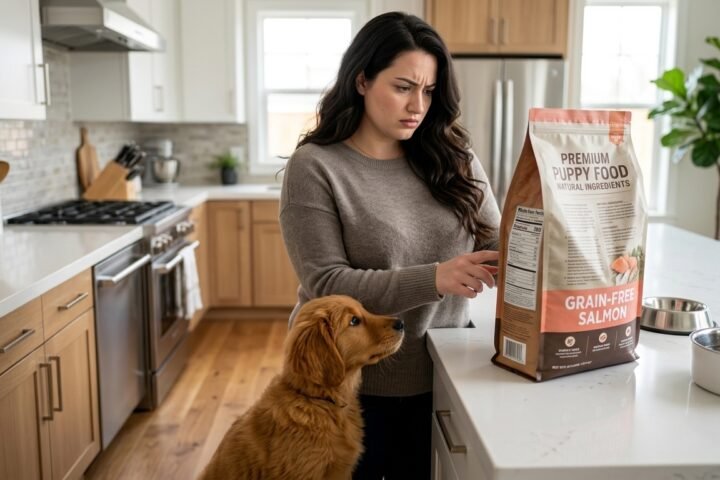
Read ingredient labels
This is especially important for products marketed as:
- Sugar-free
- Low sugar
- Keto
- Diet
- Reduced calorie
Check for xylitol, also known as birch sugar or wood sugar.
Be careful with leftovers
A plain piece of cooked meat may be appropriate in moderation, but seasoned leftovers can contain onion, garlic, excessive salt, butter, or high levels of fat.
Teach “leave it”
A reliable “leave it” command can help prevent your dog from eating something dangerous that falls onto the floor.
Tell everyone in the household
Children and visitors may not know what not to feed dogs.
Make sure everyone understands that giving a dog “just one bite” can sometimes be dangerous.

Are All Human Foods Bad for Dogs?
No.
Knowing what not to feed dogs doesn’t mean dogs can never eat human food.
Some plain human foods can be suitable as occasional treats. For example, certain fruits and vegetables can be offered in appropriate portions and prepared safely. The American Kennel Club recommends keeping human foods plain, avoiding added salt, sugar, oil, and seasonings, and introducing new foods gradually.
The key is understanding the difference between:
Safe food + appropriate preparation + moderation
and
Toxic ingredient + excessive amount + unsafe preparation.
Your dog’s main diet should still be a nutritionally complete and balanced food appropriate for their life stage and individual needs.
If you’re unsure about a particular food, asking your veterinarian is safer than relying on assumptions.
Quick Reference: 10 Foods Dogs Should Not Eat
| Food | Main Concern |
|---|---|
| Chocolate | Theobromine/caffeine toxicity |
| Grapes | Potential kidney damage |
| Raisins | Potential kidney damage |
| Xylitol | Dangerous low blood sugar and possible liver injury |
| Onions | Red blood cell damage and anemia |
| Garlic | Red blood cell damage and anemia |
| Macadamia nuts | Weakness, tremors, vomiting, coordination problems |
| Alcohol | Nervous system and metabolic toxicity |
| Raw yeast dough | Expansion, bloating, alcohol production |
| Excessively salty/fatty foods | Gastrointestinal problems and other complications |
Frequently Asked Questions About What Not to Feed Dogs
What is the most dangerous food for dogs?
There isn’t one universal “most dangerous” food because toxicity depends on the substance, amount eaten, the dog’s size, and other factors. Chocolate, xylitol, grapes and raisins, onions, garlic, alcohol, and macadamia nuts are all important foods and ingredients to keep away from dogs.
Can dogs eat chocolate?
No. Chocolate contains theobromine and caffeine, which can be toxic to dogs. Dark chocolate, baking chocolate, and cocoa powder generally contain higher concentrations of these compounds than milk chocolate.
Can dogs eat grapes?
Grapes should not be intentionally given to dogs. Exposure has been associated with kidney damage, and veterinary sources recommend treating grape and raisin ingestion seriously.
Is garlic toxic to dogs?
Yes. Garlic belongs to the Allium family and can damage red blood cells, potentially causing anemia. Concentrated forms such as garlic powder can be particularly concerning.
Can dogs eat onions when they are cooked?
Cooking does not make onions safe for dogs. Raw, cooked, dehydrated, and powdered onion products can all cause toxicity.
Can dogs eat peanut butter?
Some peanut butters may be suitable in small amounts, but always check the ingredient label first. Certain products can contain xylitol, which can be extremely dangerous to dogs.
What should I do if my dog eats something toxic?
Contact your veterinarian promptly and provide details about what your dog ate, how much was consumed, when it happened, and your dog’s approximate weight. Keep the product packaging if available. Do not wait for serious symptoms before seeking professional advice.
Final Thoughts: Remember What Not to Feed Dogs
Understanding what not to feed dogs can prevent a frightening and potentially expensive emergency.
Chocolate, grapes, raisins, xylitol, onions, garlic, macadamia nuts, alcohol, raw yeast dough, excessive salt, and very fatty or heavily seasoned foods are all examples of foods or ingredients that deserve caution.
The safest habit is simple: don’t assume that food is safe just because humans can eat it.
Before sharing a snack, check the ingredients and consider how the food was prepared. Keep toxic foods securely stored, teach your dog a reliable “leave it” command, and make sure everyone in the household knows which foods dogs should avoid.
And if your dog accidentally eats something potentially toxic, contact your veterinarian promptly rather than waiting for symptoms.
A few seconds of prevention can make a huge difference to your dog’s safety and well-being.
Sources & Veterinary References
- ASPCA — People Foods to Avoid Feeding Your Pets.
- FDA — Xylitol Is Toxic to Dogs.
- Merck Veterinary Manual — Food Hazards and Allium Toxicity.
- American Kennel Club — Dog Nutrition and Poisoning Resources.
Key Takeaways
- Consider the context around the behavior.
- Look for patterns instead of relying on one signal.
- Seek qualified help when behavior is sudden, severe, or unsafe.
Frequently Asked Questions
Is every behavior a sign of the same emotion?
Not necessarily. Dogs use combinations of signals, and context matters.
When should I contact a professional?
Consider veterinary or qualified behavior support for sudden, severe, escalating, or safety-related concerns.