The best answer depends on your dog, the context, and the full pattern of behavior. Look at multiple signals rather than one isolated action.
Summer can be a wonderful season for dogs, but rising temperatures can turn an ordinary walk, backyard play session, or car ride into a serious safety risk. Good dog care in summer is about more than putting out an extra bowl of water. It means managing exercise, recognizing early warning signs, protecting paws, providing a cool environment, and knowing when overheating requires emergency veterinary attention.
Dogs are particularly vulnerable to excessive heat because they primarily regulate body temperature through panting, with only limited sweating through their paw pads. When heat and humidity overwhelm their ability to cool themselves, overheating can progress rapidly to heatstroke.
The good news is that most heat-related emergencies can be reduced with sensible prevention. In this guide, you’ll learn how to make dog care in summer safer, how to recognize heatstroke, which dogs need extra protection, and what to do if your dog begins showing dangerous symptoms.
Table of Contents
Why Summer Heat Is Dangerous for Dogs
Heat becomes dangerous when a dog’s body gains heat faster than it can release it.
A dog may become overheated after intense exercise, prolonged outdoor exposure, confinement in a hot or poorly ventilated space, or a combination of heat, humidity, and physical activity. Heatstroke is a medical emergency because excessive body temperature can damage tissues and organs.
One of the most dangerous summer situations is a parked vehicle. The interior of a car can become dangerously hot very quickly, even when the outside temperature does not seem extreme. A partially open window or parking in shade does not make a parked vehicle a safe place for a dog.
This is why responsible dog care in summer starts with controlling your dog’s environment rather than waiting for signs of distress.
How Dogs Cool Themselves
Dogs do not cool themselves in the same way humans do.
Panting is one of their primary cooling mechanisms. As air moves through the respiratory system, evaporation helps release heat. Dogs can also lose some heat through their paw pads and regulate blood flow near the skin.
The problem is that these mechanisms have limits.
High humidity can make panting less effective because evaporation becomes more difficult. Exercise also produces additional body heat, which is why a dog can overheat during activity even when the air temperature doesn’t initially seem extreme.
Is panting always a sign of heatstroke?
No. Panting can be completely normal after exercise, excitement, or exposure to warm weather.
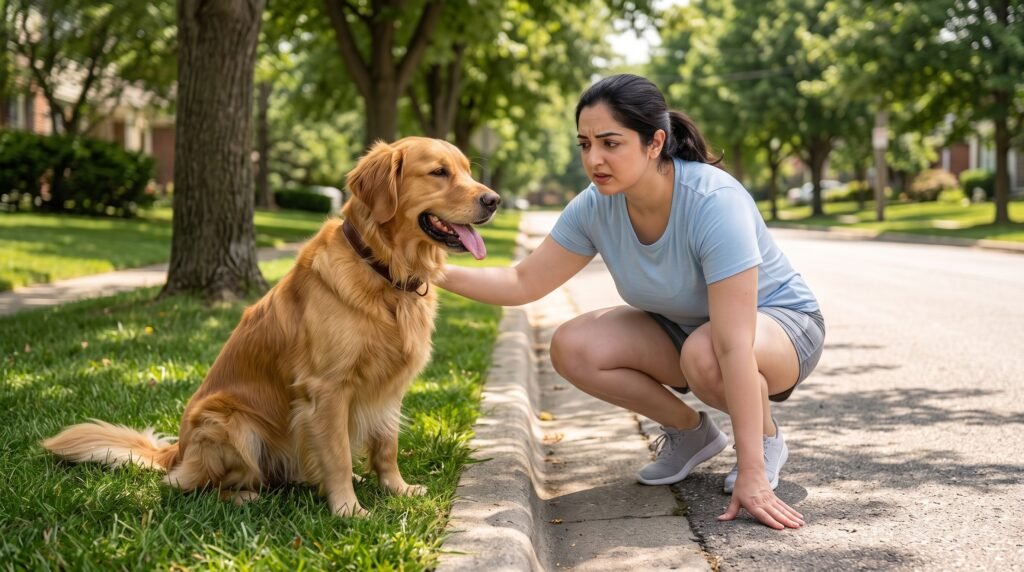
The concern is excessive or abnormal panting, particularly when it occurs alongside heavy drooling, weakness, bright-red or abnormal gums, vomiting, confusion, difficulty walking, collapse, or other signs of distress.
Signs of Dog Overheating and Heatstroke
Recognizing the warning signs early is one of the most important parts of dog care in summer.
Early warning signs
Watch for:
- Excessive or unusually rapid panting
- Heavy drooling
- Restlessness or agitation
- Excessive thirst
- Weakness or unusual fatigue
- Very red gums or tongue
- Difficulty settling down after activity
- Thick saliva
- Seeking cool surfaces or shade
These signs should be taken seriously, especially after exercise or prolonged exposure to heat.
More serious signs
Heatstroke can progress to:
- Vomiting
- Disorientation
- Loss of coordination
- Difficulty breathing
- Severe weakness
- Collapse
- Seizures
- Loss of consciousness
At this point, treat the situation as an emergency and seek veterinary care immediately.
A dog can also suffer internal complications that are not obvious immediately, so appearing better after cooling does not necessarily mean the danger has completely passed.
9 Essential Dog Care in Summer Tips
1. Provide Fresh Water at All Times
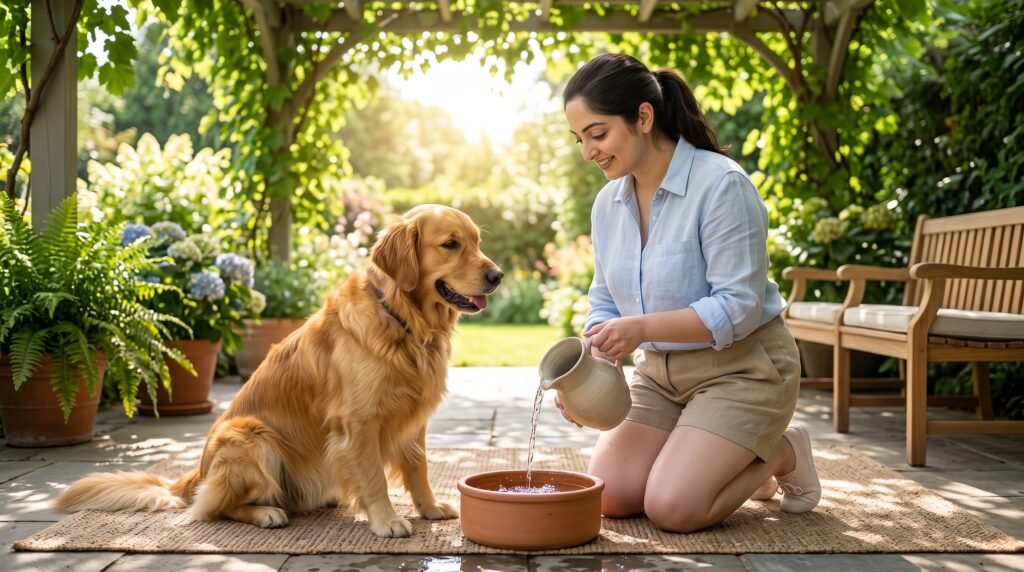
Hydration is a basic but essential part of dog care in summer.
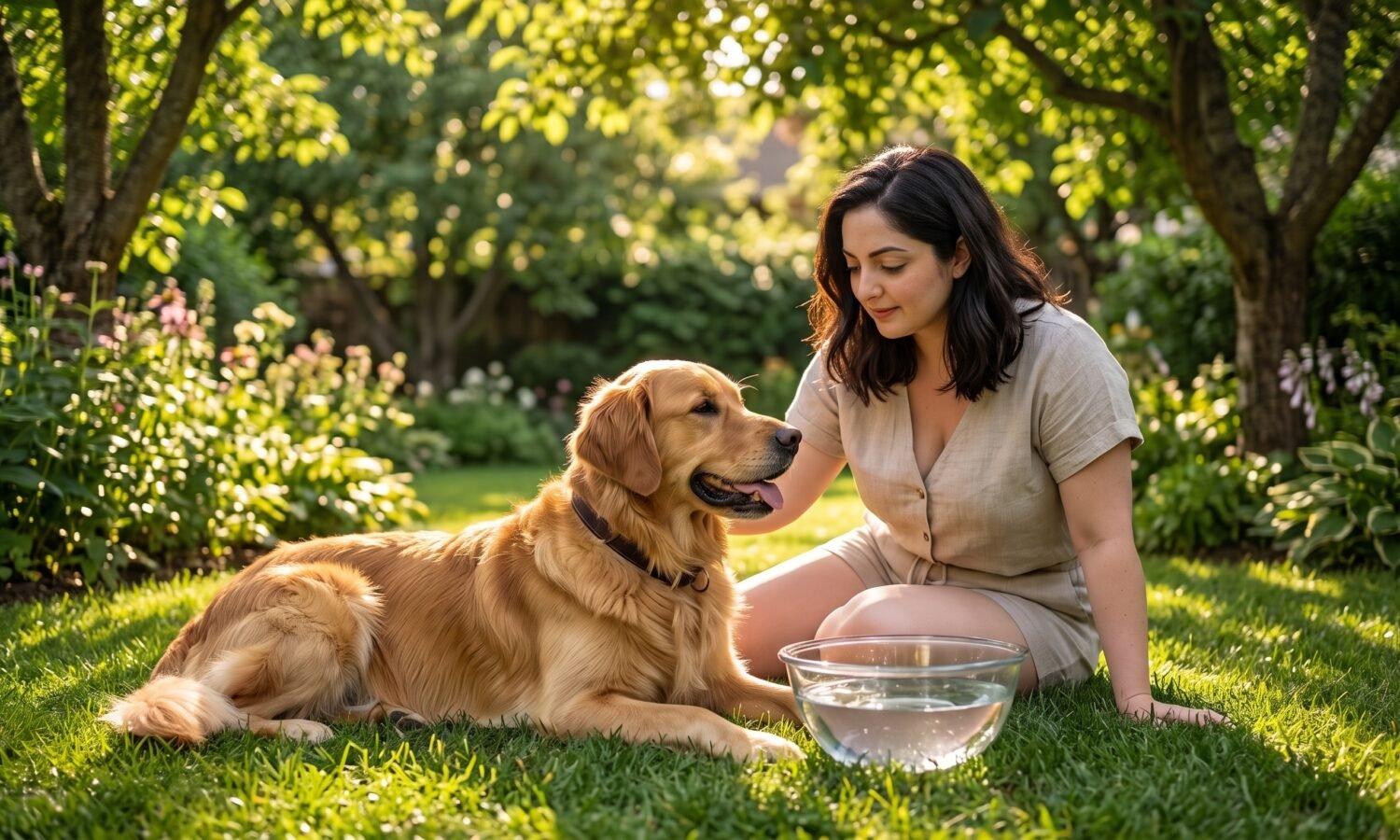
Your dog should have easy access to clean, fresh water throughout the day. Check outdoor water bowls regularly because they can become warm, dirty, or contaminated with debris.
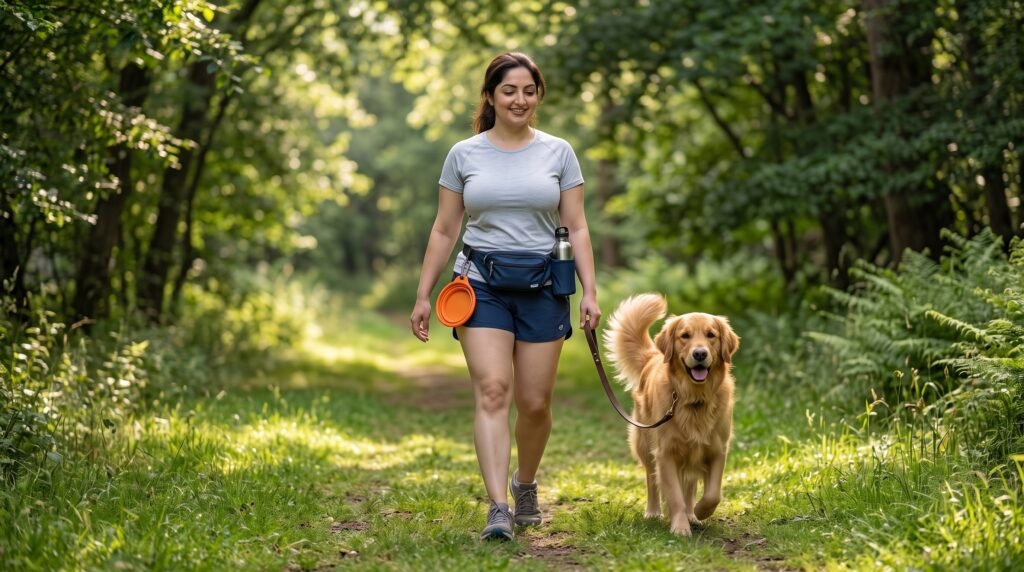
When leaving home for a walk, hike, or outdoor activity, bring enough water for your dog as well as yourself.
For longer outings, a portable water bottle or collapsible bowl can make hydration much easier.
2. Create a Cool, Shaded Resting Area
Shade is important, but don’t assume every outdoor shelter is automatically cool.
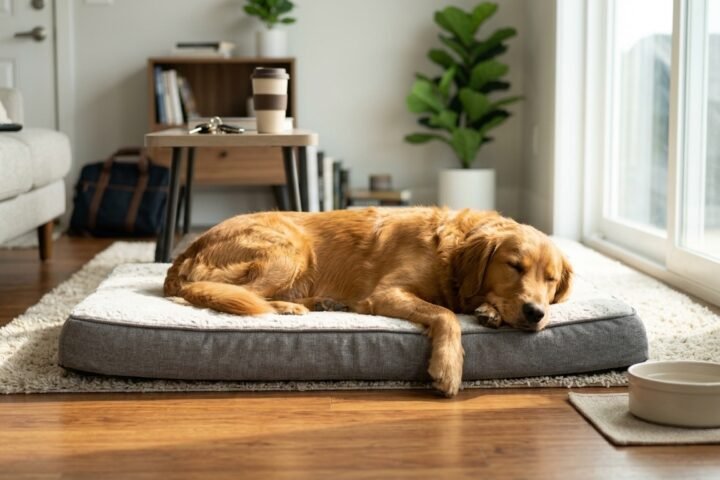
A poorly ventilated doghouse can trap heat. A better option is a genuinely cool, well-ventilated area where your dog can move away from direct sunlight.
On particularly hot days, keeping your dog indoors in an air-conditioned or otherwise cool environment is often the safest choice. Merck Veterinary Manual specifically recommends providing shade, fresh water, and a cool indoor space during hot weather.
3. Adjust Your Walking Schedule
Avoid scheduling strenuous walks during the hottest part of the day.
Instead, consider early-morning or evening walks when conditions are cooler. However, don’t rely on the clock alone. Check the actual weather conditions and humidity before heading outside.
If your dog begins panting heavily or showing signs of discomfort, stop the activity and move to a cooler area.
4. Reduce Strenuous Exercise
Many dogs will continue playing even when they are becoming overheated.
This is especially important for dogs that love running, chasing balls, hiking, or playing fetch. Their enthusiasm does not necessarily mean their bodies can safely tolerate continued exercise in high temperatures.
On very hot days, replace intense exercise with calmer indoor enrichment, short walks, training games, scent activities, or food puzzles.
This simple adjustment can make dog care in summer much safer without eliminating mental stimulation.
5. Never Leave Your Dog in a Parked Car
This rule deserves special emphasis:
Never leave your dog alone in a parked car during warm weather.
Cars can heat rapidly, creating potentially fatal conditions. Cracking the windows or parking in the shade does not reliably make the vehicle safe.
If you cannot bring your dog with you, leave the dog at home in a safe, cool environment.
6. Check the Ground Before Walking
Hot asphalt, concrete, sand, and other surfaces can become hot enough to injure a dog’s paw pads.
Before taking your dog outside, place the back of your hand against the walking surface for several seconds. If it feels too hot for your hand, choose a different route or wait for cooler conditions.
Whenever possible, walk on grass or shaded surfaces.
Hot pavement is an often-overlooked part of summer safety because owners may focus entirely on air temperature.
7. Don’t Assume Your Dog Will Know When to Stop
Some dogs have poor self-regulation during exciting activities.
A dog may continue chasing a toy, running after another dog, or playing fetch even as body temperature rises.
Your job is to control the duration and intensity of the activity.
Build in regular breaks. Offer water. Move into shade or indoors before your dog appears exhausted.
8. Keep Your Home Comfortable
Outdoor safety is only part of dog care in summer.
Your dog can also become dangerously hot indoors if the house becomes poorly ventilated or the cooling system fails.
Make sure your dog has access to the coolest safe area of the home. If you rely on air conditioning, consider having a plan for power outages or equipment failure during extreme heat.
Fans can improve air movement, but they should not be considered a complete substitute for a genuinely cooler environment during severe heat.
9. Take Extra Precautions With High-Risk Dogs
Some dogs require a more conservative approach to summer activity.
Higher-risk dogs can include:
- Puppies
- Senior dogs
- Overweight dogs
- Dogs with certain medical conditions
- Brachycephalic or short-nosed breeds
- Dogs with breathing difficulties
- Dogs with thick coats
- Dogs that are not well acclimated to heat
AKC notes that puppies, senior dogs, overweight dogs, dogs with underlying health problems, and short-muzzled breeds can face increased heatstroke risk.
If your dog falls into a higher-risk group, ask your veterinarian about appropriate summer exercise and cooling strategies.
Dogs at Higher Risk of Heatstroke
Not every dog responds to heat in exactly the same way.
Short-nosed breeds
Brachycephalic dogs, such as Bulldogs and Pugs, can have greater difficulty breathing efficiently, which can make heat management more challenging.
Their owners should be especially conservative with summer exercise.
Puppies and senior dogs
Young puppies and older dogs may be less able to tolerate environmental stress and may require closer monitoring.
Overweight dogs
Extra body weight can make physical activity more demanding and may contribute to greater difficulty handling heat.
Dogs with medical conditions
Dogs with certain heart, respiratory, or other medical conditions may have additional heat-related risks.
Your veterinarian can help determine whether your dog’s health history requires special precautions.
Thick-coated dogs
A thick coat does not automatically mean a dog should be shaved for summer.
A healthy coat can provide insulation and help protect the skin. AKC cautions against shaving double-coated breeds simply to keep them cool because doing so removes part of the coat’s insulating function and can create other problems.
Instead, follow appropriate grooming practices for your dog’s breed and coat type.
How to Exercise Your Dog Safely in Summer
Exercise is still important during summer, but the routine may need to change.
A safer summer routine can look like this:
Step 1: Check conditions before leaving.
Look at temperature, humidity, sun exposure, and the walking surface.
Step 2: Choose a cooler time.
Early morning or later evening may provide more comfortable conditions.
Step 3: Bring water.
Don’t assume your destination will have a clean, accessible water source.
Step 4: Reduce intensity.
Choose a relaxed walk rather than prolonged running or intense games.
Step 5: Take frequent breaks.
Give your dog opportunities to rest in shade or a cool environment.
Step 6: Watch your dog’s behavior.
Don’t wait for collapse before ending an activity.
This approach allows you to maintain healthy activity while reducing unnecessary heat exposure.
What to Do if Your Dog Overheats
If your dog appears to be overheating, act immediately.
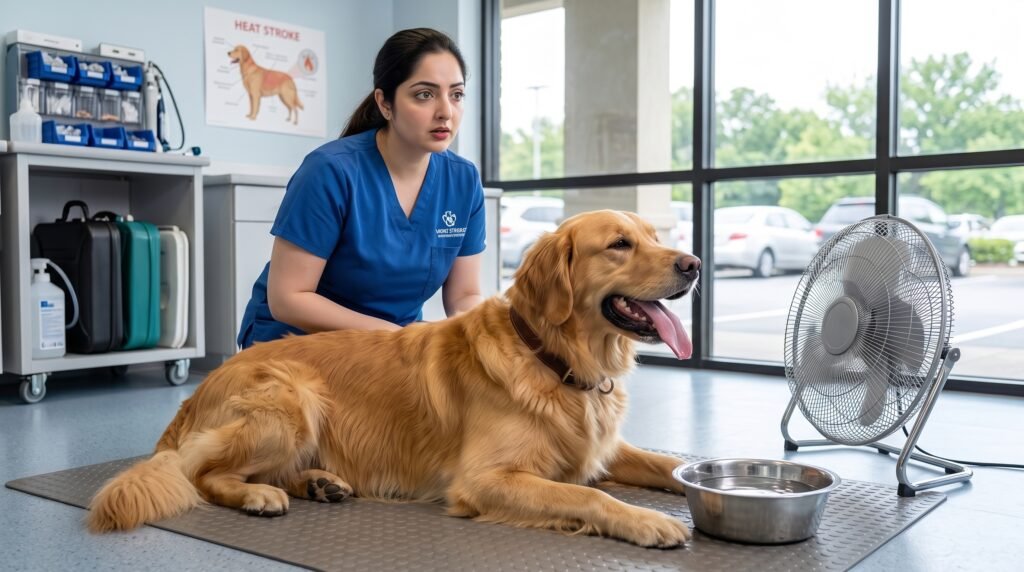
- Move your dog to a cooler environment.
Get them out of direct sunlight and away from heat. - Begin controlled cooling.
Use cool or tepid water rather than extremely cold water. Focus on areas where cooling can be effective, such as the underside of the body, while allowing airflow. - Use airflow.
A fan or air conditioning can support evaporative cooling. - Offer water only if your dog is alert and able to drink.
Do not force water into a distressed or unconscious dog. - Contact a veterinarian immediately if heatstroke is suspected.
Heatstroke can cause internal damage even when external signs temporarily improve. - Transport your dog for veterinary evaluation.
Keep the vehicle cool and well ventilated during transportation.
Should you use ice-cold water?
Avoid extreme cooling methods.
Veterinary guidance generally recommends controlled cooling with cool rather than extremely cold water. VCA specifically advises against ice packs and rubbing alcohol as cooling methods and recommends cool water combined with airflow.
Because recommendations can vary depending on the dog’s condition, suspected heatstroke should always be treated as a veterinary emergency rather than managed solely at home.
Common Summer Dog-Care Mistakes
Even responsible owners can accidentally increase their dog’s heat risk.
Mistake 1: Assuming shade makes a car safe
It doesn’t. A parked vehicle can become dangerously hot very quickly.
Mistake 2: Waiting for extreme temperatures
Heat risk isn’t determined by temperature alone. Humidity, sun exposure, exercise, ventilation, breed, age, and health all matter.
Mistake 3: Exercising because the dog wants to play
Your dog may happily continue running while becoming overheated.
Mistake 4: Ignoring hot pavement
Air temperature may feel manageable while asphalt or concrete is much hotter.
Mistake 5: Assuming panting is always harmless
Normal post-exercise panting is different from frantic or excessive panting accompanied by other warning signs.
Mistake 6: Shaving a double-coated dog automatically
A dog’s coat can have an important insulating function. Breed-appropriate grooming is usually preferable to removing the coat simply because summer has arrived.
Frequently Asked Questions
What temperature is too hot for dogs?
There is no single outdoor temperature that is safe or dangerous for every dog. Humidity, sun exposure, exercise, ventilation, breed, age, body condition, and health can all change the risk. Be especially cautious when weather conditions are hot and humid.
How can I prevent heatstroke in my dog?
Provide fresh water, shade or a cool indoor environment, limit strenuous exercise, avoid hot pavement, never leave your dog in a parked car, and monitor closely for early signs of overheating.
What are the first signs of heatstroke in dogs?
Early warning signs can include excessive panting, heavy drooling, weakness, agitation, abnormal gum color, and unusual fatigue. More severe cases can progress to vomiting, confusion, loss of coordination, collapse, seizures, or unconsciousness.
Can dogs get heatstroke from walking?
Yes. Exercise increases heat production, and dogs can overheat during walks, runs, hikes, or play sessions, particularly in hot or humid conditions.
Should I walk my dog during a heat wave?
Keep outdoor activity brief and carefully controlled during extreme heat. Choose cooler times, avoid strenuous exercise, bring water, and monitor your dog closely.
Can a dog stay outside during summer?
A dog should not be left outside without reliable access to shade, fresh water, and a cooler area. During extreme heat, keeping the dog indoors in a cool environment is generally safer.
Are some dogs more likely to suffer heatstroke?
Yes. Puppies, senior dogs, overweight dogs, short-nosed breeds, and dogs with certain medical conditions can be at greater risk.
What should I do if my dog shows signs of heatstroke?
Move your dog to a cool area, begin controlled cooling with cool—not extremely cold—water and airflow, and contact a veterinarian immediately. Heatstroke requires prompt professional evaluation.
Is panting normal in summer?
Some panting is normal because dogs rely heavily on panting to release heat. However, excessive, frantic, or persistent panting—especially with drooling, weakness, abnormal gums, vomiting, confusion, or collapse—requires immediate attention.
Can I leave my dog in a car with the windows cracked?
No. A cracked window does not make a parked vehicle safe during warm weather. The safest option is to leave your dog at home in a cool environment.
Final Thoughts
Good dog care in summer is mostly about prevention. Keep fresh water available, provide a genuinely cool environment, adjust exercise around weather conditions, protect your dog’s paws from hot surfaces, and never leave a dog unattended in a parked car.
Most importantly, learn your dog’s individual risk factors and recognize the early signs of overheating. Heatstroke can progress quickly, so acting early matters.
Your dog does not need to miss out on summer. With thoughtful planning and responsible dog care in summer, you can keep walks, playtime, outdoor adventures, and everyday routines safer throughout the warmest months.
Want to learn more about your dog’s behavior, nutrition, and everyday health? Explore more practical dog-care guides on PawMindTips.
Key Takeaways
- Consider the context around the behavior.
- Look for patterns instead of relying on one signal.
- Seek qualified help when behavior is sudden, severe, or unsafe.
Frequently Asked Questions
Is every behavior a sign of the same emotion?
Not necessarily. Dogs use combinations of signals, and context matters.
When should I contact a professional?
Consider veterinary or qualified behavior support for sudden, severe, escalating, or safety-related concerns.