Sharing food with your dog can feel harmless. Those hopeful eyes under the dinner table make it surprisingly easy to slip a bite of your meal into the bowl. But knowing what not to feed dogs is just as important as knowing which treats are safe.
Some foods that are perfectly normal for people can cause serious problems in dogs. Chocolate can overstimulate the heart and nervous system. Grapes and raisins have been associated with acute kidney injury. Xylitol can cause a dangerous drop in blood sugar and, in some dogs, severe liver injury. Onions and garlic can damage red blood cells, while raw yeast dough can expand inside the stomach and produce alcohol.
The risk is not limited to obvious foods. Toxic ingredients can hide in peanut butter, candy, baked goods, sauces, seasoning mixes, drinks, medications, and leftovers.
This guide explains what not to feed dogs, why these foods are dangerous, what symptoms owners should watch for, and what to do if accidental ingestion occurs.
Important: If you know or suspect that your dog has eaten a potentially toxic substance, contact your veterinarian or an appropriate pet poison service promptly. Do not wait for symptoms before seeking professional guidance.
Table of Contents
Why Dogs React Differently to Human Food
Dogs are not simply smaller versions of humans. Their metabolism and response to certain compounds differ from ours, so an ingredient that seems harmless on your plate may be dangerous to your dog.
The risk can also depend on the substance, concentration, amount consumed, and the individual dog. Body size matters in many poisoning situations, but it does not make a dog completely immune to a toxic food.
Another complication is that some dangerous ingredients are hidden inside foods that appear harmless.

For example, xylitol may occur in sugar-free products, certain peanut and nut butters, candy, baked goods, and some non-food products. Onion and garlic can appear in powdered or dehydrated forms in sauces, soups, seasoning mixes, and prepared foods.
That is why understanding what not to feed dogs is more useful than simply memorizing a short list of obvious foods.
10 Dangerous Foods Dogs Should Never Eat
1. Chocolate
Chocolate is one of the best-known foods to keep away from dogs because it contains methylxanthines, including theobromine and caffeine.
Dogs process these compounds differently from humans. Higher-concentration chocolate products generally present greater risk, with cocoa powder and baking or dark chocolate being particularly concerning.
Possible signs of chocolate toxicity include:
- Vomiting
- Diarrhea
- Restlessness
- Increased heart rate
- Rapid breathing
- Tremors
- Abnormal heart rhythm
- Seizures in severe cases
The amount and type of chocolate matter, as does the dog’s size. A small dog that eats concentrated chocolate may face substantially more risk than a larger dog consuming the same-sized piece.
If your dog has eaten chocolate, do not try to estimate safety based only on whether the dog currently looks normal. Contact a veterinarian promptly and provide information about the type and approximate amount eaten.
Hidden Chocolate Risks
Chocolate is not limited to candy bars. Watch for:
- Baking chocolate
- Cocoa powder
- Brownies
- Chocolate cookies
- Chocolate-covered foods
- Chocolate desserts
- Chocolate-containing baked goods
2. Grapes and Raisins
Grapes and raisins are especially concerning because their effects can be unpredictable.
Veterinary references associate ingestion with gastrointestinal illness and potentially severe kidney injury. Current evidence points toward tartaric acid as a likely toxic component, although individual responses can vary.
Possible early symptoms include:
- Vomiting
- Diarrhea
- Lethargy
- Loss of appetite
- Abdominal discomfort
- Weakness
- Increased thirst
Kidney problems can develop later, sometimes within the following one to three days.

The important lesson is simple: do not assume that a few grapes are automatically harmless because your dog is large or because another dog has eaten grapes without obvious consequences.
If your dog eats grapes or raisins, contact a veterinarian promptly.
3. Onions, Garlic, Leeks, Chives, and Shallots
Members of the allium family can damage a dog’s red blood cells and may lead to hemolytic anemia.
This group includes:
- Onions
- Garlic
- Leeks
- Chives
- Shallots
One of the biggest problems is that these ingredients can appear in concentrated forms.
Dogs can encounter them in:
- Onion powder
- Garlic powder
- Seasoning blends
- Soups
- Sauces
- Gravies
- Prepared foods
- Leftovers
Cooking does not automatically make these ingredients safe for dogs.
Signs may be delayed because red blood cell damage can take time to become apparent. Watch for weakness, pale gums, lethargy, rapid breathing, collapse, or other unusual changes.
Garlic is particularly potent compared with onion by weight, and concentrated forms deserve special caution.
If you believe your dog consumed a significant amount, contact your veterinarian rather than waiting for symptoms.
4. Xylitol
Xylitol deserves special attention when discussing what not to feed dogs because it can appear in everyday products that owners may not think of as dangerous.
Xylitol is a sugar alcohol used in some:
- Sugar-free gum
- Candy
- Peanut butter
- Nut butters
- Baked goods
- Toothpaste
- Supplements
- Medications
- Other products
In dogs, xylitol can trigger a rapid release of insulin and cause profound hypoglycemia, meaning blood sugar falls dangerously low.
Possible signs include:
- Vomiting
- Weakness
- Lethargy
- Loss of coordination
- Tremors
- Seizures
- Collapse
- Coma
Severe liver injury can also occur.
Because the effects can develop quickly, suspected xylitol ingestion should be treated as an emergency. Do not induce vomiting at home unless a veterinary professional specifically instructs you to do so.

Always Check the Label
Before giving your dog peanut butter, treats, or another human product, check the ingredient list.
If the label says “sugar-free,” pay particular attention to the ingredients.
5. Alcohol
Dogs should not be given alcoholic beverages or foods containing meaningful amounts of alcohol.
Potential sources include:
- Beer
- Wine
- Liquor
- Alcohol-containing desserts
- Alcohol-soaked fruit
- Some cooking products
Alcohol can affect the nervous system and may lead to vomiting, weakness, disorientation, breathing difficulties, tremors, low body temperature, and severe neurological depression.
Raw Bread Dough Is Different—and Especially Dangerous
Raw yeast dough deserves special attention because it creates two problems.
First, the yeast can continue fermenting inside the dog’s stomach and produce alcohol.
Second, the dough can expand substantially, causing stomach distension.
This combination can become a serious emergency.
6. Macadamia Nuts
Macadamia nuts are toxic to dogs, although the exact mechanism responsible for the toxicity is not fully understood.
Signs can develop within hours and may include:
- Weakness
- Depression
- Vomiting
- Lack of coordination
- Tremors
- Stiffness
- Elevated body temperature
Fortunately, most affected dogs recover with appropriate veterinary care.
However, do not assume that macadamia nut poisoning is harmless simply because fatalities are uncommon. Products containing multiple dangerous ingredients can increase concern.
For example, a chocolate-and-macadamia cookie combines two separate hazards.
Keep macadamia nuts and foods containing them away from dogs.
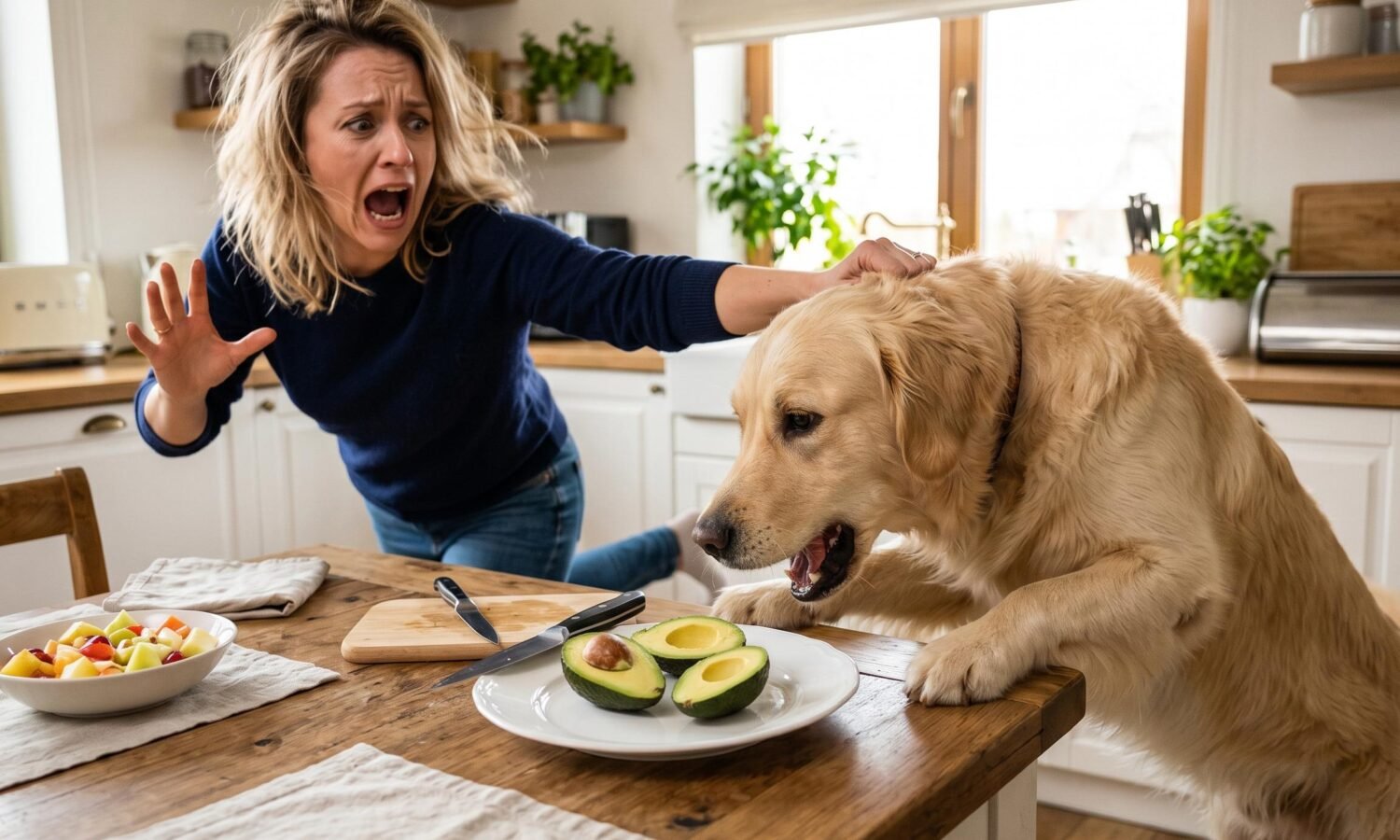
7. Avocado
Avocado is more complicated than some of the other foods on this list.
Dogs are generally less sensitive to persin than certain other animal species, but avocado can still present several problems.
The fruit is relatively high in fat, which may contribute to digestive problems and can be a concern for dogs susceptible to pancreatitis.
The large pit also creates a serious physical hazard.
If swallowed, an avocado pit can become lodged and cause choking or an intestinal obstruction.
Guacamole can be an even bigger concern because recipes frequently contain ingredients such as onion and garlic.
For these reasons, avocado products are best kept away from dogs rather than offered as casual human-food treats.
8. Cooked Bones
Cooked bones are dangerous for a different reason: they are a physical hazard rather than simply a poisonous food.
Cooking can make bones brittle. When a dog chews them, pieces may splinter and create sharp fragments.
Those fragments can cause:
- Choking
- Mouth injuries
- Throat injuries
- Esophageal injury
- Intestinal damage
- Intestinal obstruction
Bones can also break teeth.

This means the bone left over from a roast, chicken dinner, or ribs should not automatically become a dog treat.
Raw bones are not risk-free either. They can carry bacterial contamination and may damage teeth depending on their hardness.
If you are considering giving your dog a bone, ask your veterinarian about appropriate options for your individual dog.
9. Caffeine
Caffeine is another methylxanthine stimulant that can be dangerous to dogs.
Potential sources include:
- Coffee
- Coffee grounds
- Coffee beans
- Tea
- Energy drinks
- Caffeinated supplements
- Certain medications
Coffee grounds and beans can be particularly concentrated sources.
Possible signs of caffeine toxicity include:
- Restlessness
- Rapid breathing
- Increased heart rate
- Muscle tremors
- Vomiting
- Seizures
Prevention is especially important because dogs can access caffeine accidentally through trash, spilled drinks, coffee-making areas, or discarded grounds.
Keep coffee and caffeinated products securely out of reach.
10. Raw Yeast Dough
Raw yeast dough deserves its own place on this list even though it was mentioned earlier with alcohol.
When a dog eats unbaked yeast dough, the dough can continue expanding in the warm environment of the stomach.
This may cause:
- Severe abdominal distension
- Pain
- Difficulty breathing
- Alcohol toxicity
- Gastric dilatation-volvulus, commonly called bloat
GDV is a life-threatening emergency.
If your dog eats raw yeast dough, do not wait to see whether the dough causes symptoms. Contact a veterinarian immediately.
Common Symptoms of Food Poisoning in Dogs
Different toxins affect different organs, so there is no single symptom that proves a dog has eaten something poisonous.
However, several warning signs deserve immediate attention:
- Repeated vomiting
- Diarrhea
- Blood in vomit or stool
- Sudden weakness
- Extreme lethargy
- Tremors or twitching
- Seizures
- Rapid or difficult breathing
- Pale or yellow gums
- Loss of coordination
- Collapse
- Abdominal swelling
- Significant abdominal pain
- Abnormally fast heartbeat
- Reduced urination
One of the biggest mistakes owners make is assuming that a dog is safe because it looks normal immediately after eating something dangerous.
Some toxins can produce delayed effects.
For example, xylitol may cause hypoglycemia quickly, while onion and garlic toxicity may take several days to become obvious. Grape and raisin exposure can also progress from early gastrointestinal signs to kidney injury.
The safest approach is to seek professional guidance as soon as you know or suspect your dog has been exposed.
What to Do If Your Dog Eats Something Toxic
If your dog eats something on this what not to feed dogs list, take the situation seriously—even if your dog appears completely normal.
1. Stay Calm
Panicking can waste valuable time.
Move the remaining food away from your dog and prevent further access.
2. Identify What Was Eaten
Try to determine:
- What product was eaten?
- What ingredients did it contain?
- Approximately how much was consumed?
- When did the ingestion occur?
- What is your dog’s approximate weight?
- Is your dog showing any symptoms?
Do not delay professional help simply because you cannot answer every question.
3. Keep the Packaging
Save the product package, ingredient label, wrapper, or container.
If possible, take a clear photograph of the ingredients.
This can help the veterinarian or poison professional identify the substance and assess the risk.
4. Contact a Veterinarian or Pet Poison Service
Call your veterinarian, an emergency veterinary hospital, or an appropriate pet poison-control service.
Tell them exactly what happened.

Professional advice is particularly important for substances such as xylitol, grapes/raisins, chocolate, medications, and raw yeast dough.
5. Do Not Induce Vomiting Unless Instructed
Do not automatically give your dog a home remedy to make it vomit.
Some substances can cause additional injury if they come back through the esophagus, and some situations require a different approach.
Only induce vomiting if a veterinary professional specifically tells you to do so and explains how.
6. Follow the Instructions You Receive
Depending on the substance, amount, timing, and your dog’s condition, the professional may recommend immediate examination, monitoring, or another specific response.
Follow those instructions carefully.
Human Foods That May Be Safe for Dogs
Knowing what not to feed dogs is only half of responsible food management. Dogs can enjoy certain simple human foods when they are appropriately prepared and offered in moderation.
Examples commonly considered dog-friendly include:
- Plain cooked chicken
- Carrots
- Green beans
- Blueberries
- Plain pumpkin
- Small amounts of plain rice
Avoid seasoning these foods with onion, garlic, excessive salt, sauces, or other potentially harmful ingredients.
Even a generally safe food can cause digestive upset if introduced suddenly or fed in excessive quantities.
When introducing a new food, start with a small amount and monitor your dog.
Common Mistakes Dog Owners Make
Assuming a Small Amount Is Always Safe
Some toxins can be dangerous at relatively small amounts, and the risk varies by substance and dog.
Never rely on a blanket rule such as “a little won’t hurt.”
Forgetting About Ingredients
A dog may not eat an obvious piece of onion or garlic, but it could consume them in a sauce, soup, seasoning mix, or leftover meal.
Trusting “Sugar-Free” Products
Sugar-free does not mean dog-safe.
Always check the ingredient list for xylitol.
Leaving Food on Counters
Dogs are excellent opportunists.
A plate near the edge of a counter may be only a few seconds away from becoming a poisoning incident.
Waiting for Symptoms
Some dangerous exposures have delayed symptoms.
If you know your dog has eaten a toxic substance, contact a professional rather than waiting for visible illness.
Frequently Asked Questions
What should dogs never eat?
Dogs should never be given known toxic foods such as chocolate, grapes, raisins, xylitol-containing products, onions, garlic, alcohol, macadamia nuts, caffeine, or raw yeast dough. Cooked bones also present serious physical hazards.
What is the most dangerous food for dogs?
There is no single food that is universally “the most dangerous” for every dog. Risk depends on the toxin, dose, concentration, timing, and individual dog. Xylitol, grapes and raisins, chocolate, and certain other substances can all cause serious emergencies.
Can a small amount of chocolate hurt my dog?
It can, depending on the chocolate type, amount eaten, and dog’s size. Dark chocolate, baking chocolate, and cocoa products contain higher concentrations of methylxanthines than milk chocolate. Contact your veterinarian if your dog eats chocolate.
Are grapes and raisins really toxic to dogs?
Yes. Grapes and raisins have been associated with kidney injury and kidney failure in dogs. Because individual responses can vary, suspected ingestion should be taken seriously.
Is peanut butter safe for dogs?
Plain peanut butter without xylitol is generally used as a dog-friendly treat when given in moderation. Always check the ingredient label before sharing peanut butter because some products can contain xylitol.
How quickly will a dog show symptoms after eating toxic food?
It varies considerably. Some substances can cause signs within minutes to hours, while others may take a day or several days. Delayed symptoms are one reason owners should not wait for visible illness before seeking professional advice.
What should I do if my dog eats something toxic?
Remove access to the substance, identify what was eaten and approximately how much, save the packaging, and contact your veterinarian or an appropriate pet poison service. Do not induce vomiting unless a veterinary professional instructs you to do so.
Can dogs eat cooked bones?
Cooked bones are not recommended because they can become brittle and splinter. Broken pieces may cause choking, mouth or digestive-tract injuries, or intestinal obstruction.
Is raw bread dough dangerous for dogs?
Yes. Raw yeast dough can expand inside the stomach and ferment, producing alcohol. Significant stomach expansion can also contribute to a life-threatening emergency such as gastric dilatation-volvulus.
Should I keep a pet poison number saved?
Yes. Having veterinary and poison-control information available before an emergency can save time when every minute matters.
Final Thoughts
Knowing what not to feed dogs can prevent some of the most frightening household emergencies.
Chocolate, grapes and raisins, xylitol, onions and garlic, alcohol, macadamia nuts, caffeine, avocado, cooked bones, and raw yeast dough all deserve special caution. Some create toxic effects, while others cause dangerous physical problems such as obstruction, splintering, or stomach expansion.
The safest strategy is prevention: store dangerous foods securely, check ingredient labels, keep trash inaccessible, and teach family members which foods should never be shared with the dog.
And if your dog does eat something potentially dangerous, don’t rely on guesswork or wait for symptoms. Contact a veterinarian or appropriate pet poison service promptly.
Want to learn more about your dog’s behavior, nutrition, and everyday health? Explore more practical dog-care guides on PawMindTips.