The best answer depends on your dog, the context, and the full pattern of behavior. Look at multiple signals rather than one isolated action.
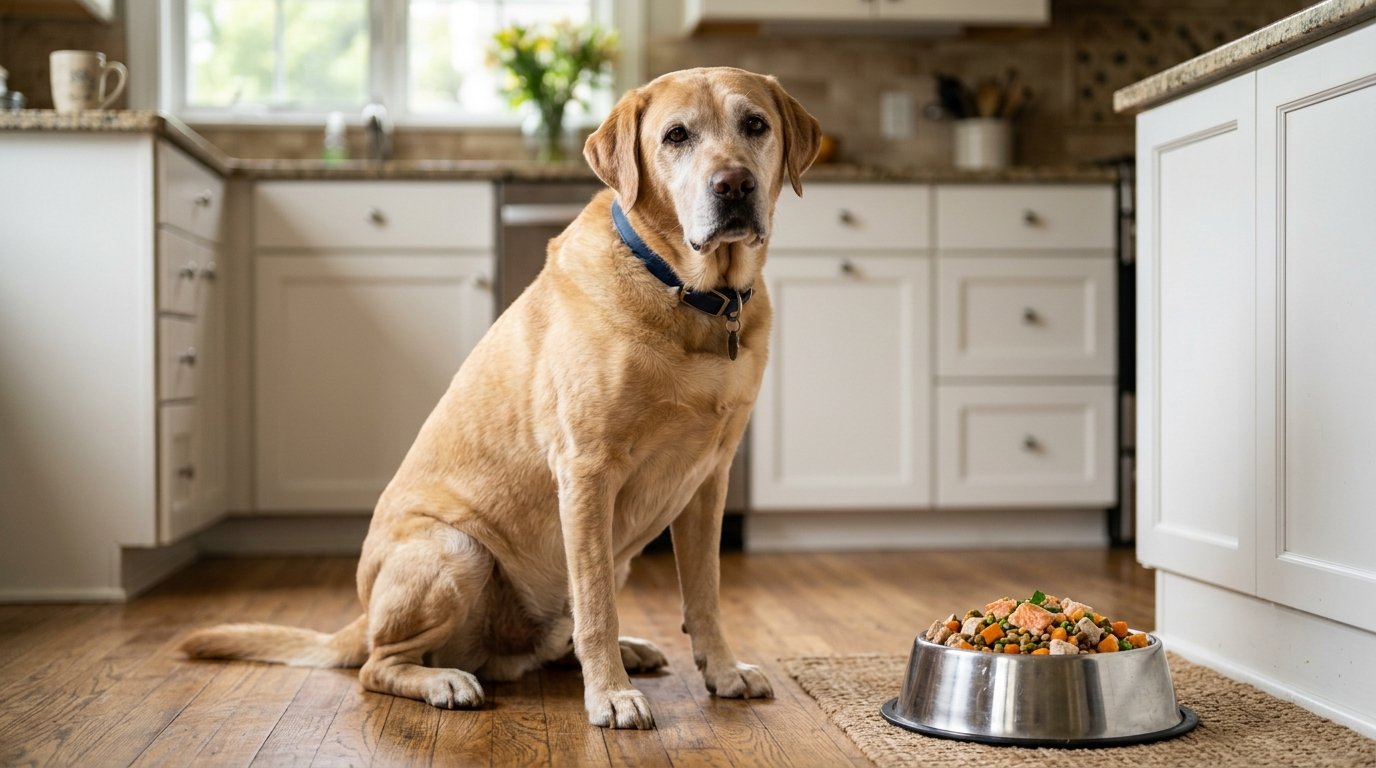
As dogs grow older, their bodies gradually change. They may become less active, lose muscle more easily, gain weight around the middle, develop dental problems, or become less interested in food. These changes mean that senior dog nutrition deserves a fresh look rather than simply continuing the exact same feeding routine for years.
There is no single diet that works perfectly for every older dog. A healthy seven-year-old Labrador with a normal body condition may have very different needs from a 13-year-old Chihuahua with arthritis, dental disease, or kidney problems. Cornell University College of Veterinary Medicine emphasizes that there is no one-size-fits-all senior diet because nutritional needs depend on the individual dog’s condition.
The goal is not simply to buy a bag labeled “senior.” The goal is to provide the right amount of calories, high-quality protein, essential fatty acids, vitamins, minerals, water, and other nutrients while maintaining an appropriate body condition.
Table of Contents
Why Senior Dog Nutrition Becomes More Important With Age
Aging affects metabolism, muscle mass, appetite, digestion, activity levels, and sometimes the ability to chew or smell food. American Kennel Club guidance notes that senior dogs can require a different balance of nutrients as they age, particularly because they often need less energy while still benefiting from high-quality protein.
One of the biggest concerns is body composition. An older dog can appear reasonably healthy because of body fat while quietly losing valuable muscle. Maintaining lean muscle supports mobility, strength, immune function, and overall quality of life.
Another concern is calorie control. A dog that once spent hours running, playing, and exploring may now spend much more of the day sleeping. If the same amount of food continues to be offered, weight gain can occur gradually.
On the other hand, very old dogs can sometimes become underweight because of reduced appetite, dental discomfort, changes in smell, swallowing difficulties, or underlying disease.
That is why senior dog nutrition should be adjusted according to your dog’s body condition, lifestyle, appetite, and health—not simply their birthday.
For broader feeding guidance, you can also explore PawMindTips’ Nutrition & Feeding resources as you build a consistent feeding routine.

How Much Protein Does a Senior Dog Need?
Protein is one of the most important parts of senior dog nutrition because older dogs can lose muscle mass more easily than younger adult dogs.
There is an outdated belief that every older dog should automatically receive a low-protein diet. Healthy senior dogs do not necessarily need protein restriction. In fact, veterinary nutrition guidance increasingly emphasizes maintaining adequate high-quality protein to help preserve lean body mass. Cornell notes that slightly higher-protein diets may be appropriate when an older dog is losing lean body mass.
Protein supplies amino acids that the body uses to maintain and repair muscles and other tissues. When an older dog becomes less active, it can be tempting to focus only on reducing calories. But simply cutting food without considering protein quality can make it harder to preserve muscle.
Look for High-Quality Protein Sources
When comparing foods, look for clearly identified animal or plant protein sources that contribute to a complete and balanced diet.
Examples can include:
- Chicken
- Turkey
- Beef
- Fish
- Eggs
- Lamb
- Other appropriate animal protein sources
- Carefully formulated plant proteins used as part of a complete diet
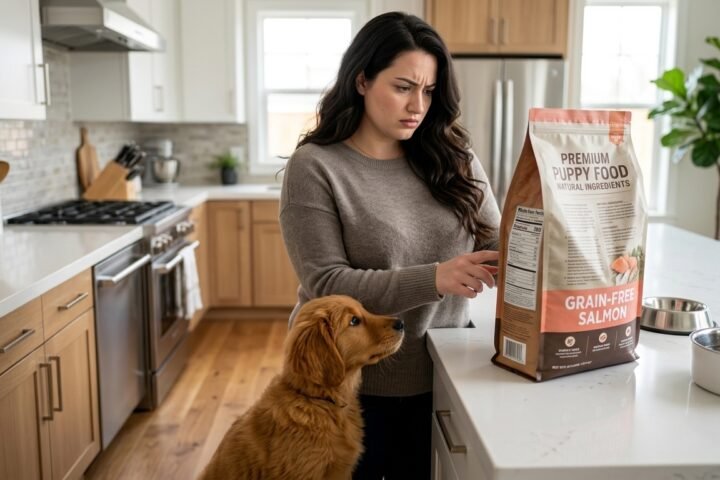
The ingredient list is useful, but it should not be the only thing you consider. A food’s nutritional adequacy statement is particularly important. The FDA explains that a pet food labeled “complete and balanced” is intended to provide all required nutrients when fed as the sole diet, provided it meets an AAFCO nutrient profile or qualifying feeding-trial requirements.
For more information, see the FDA’s explanation of complete and balanced pet food.
When Protein Needs Special Attention
If your dog has kidney disease, liver disease, cancer, severe gastrointestinal disease, or another diagnosed condition, do not change protein intake based on general internet advice.
Some medical conditions require specific nutrient adjustments. In these situations, the best approach to senior dog nutrition is an individualized diet plan created with your veterinarian.
Calories and Weight Control Matter More Than Many Owners Realize
One of the most practical parts of senior dog nutrition is calorie management.
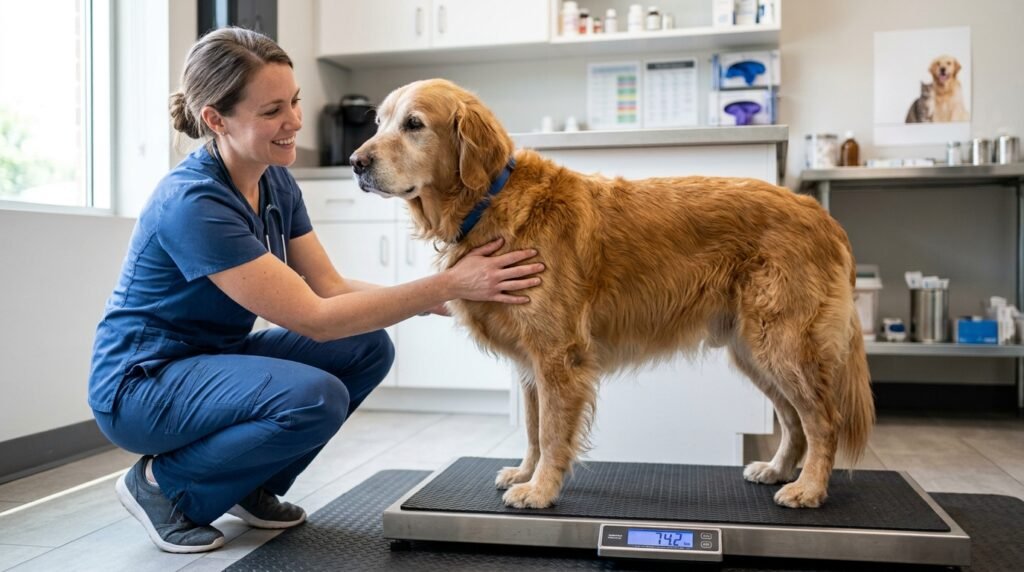
Older dogs often become less active. They may walk shorter distances, sleep longer, and spend more time resting. Their calorie requirements can therefore decrease. Cornell recommends monitoring body condition and weighing older dogs regularly because gradual weight gain can be difficult for owners to notice.
Excess weight places additional stress on aging joints and can contribute to mobility problems. Keeping an older dog at a healthy body condition can therefore be just as important as selecting an expensive food.
Signs Your Senior Dog May Be Getting Too Many Calories
Watch for:
- A less visible waist
- Ribs becoming difficult to feel
- Reduced willingness to exercise
- Increased panting during normal activity
- Difficulty climbing stairs
- Gradual weight gain
- More pressure on already stiff joints
Don’t dramatically reduce food overnight. Instead, review portion sizes, treats, table scraps, activity, and calorie density with your veterinarian.
What If Your Senior Dog Is Losing Weight?
Weight loss deserves equal attention.
An older dog that suddenly loses weight may have dental disease, gastrointestinal problems, diabetes, kidney disease, cancer, pain, medication effects, or another medical issue. Reduced appetite should not automatically be blamed on old age.
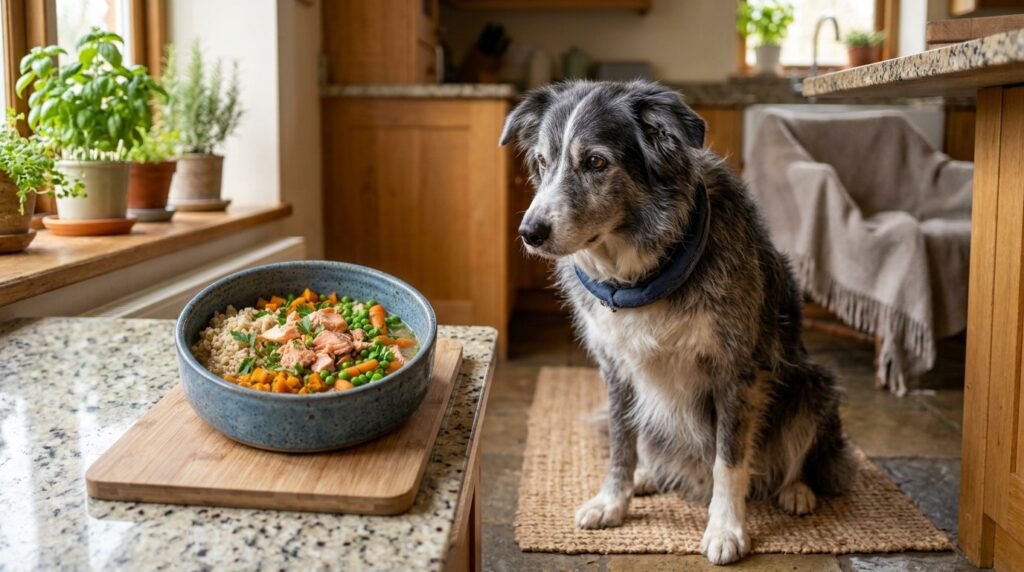
In very old dogs, palatability can become especially important. Warming appropriate food slightly may increase aroma, while wet food can be easier to chew for dogs with dental problems. AKC notes that many older dogs may benefit from softer or more aromatic foods when chewing or appetite becomes an issue.
Healthy Fats and Omega-3 Fatty Acids
Healthy fats are another important consideration in senior dog nutrition.
Fat provides concentrated energy and helps with the absorption of fat-soluble vitamins. However, because older dogs may require fewer calories, simply increasing dietary fat is not always appropriate.
Omega-3 fatty acids deserve particular attention. EPA and DHA are long-chain omega-3 fatty acids that may support joint health and mobility. Cornell notes that marine-derived EPA and DHA may be beneficial for dogs with arthritis or related mobility problems.
Fish-based ingredients can provide these fatty acids, while some commercial diets contain added fish oil or other marine sources.
Should You Give Your Dog Fish Oil?
Possibly, but the correct amount depends on the dog and the product.
Supplements can add calories and may cause digestive upset when introduced too quickly. More is not automatically better. If your dog already eats a complete diet containing omega-3 fatty acids, additional supplementation may not be necessary.
Talk with your veterinarian before adding concentrated fish oil, especially if your dog takes medication or has a medical condition.
Fiber, Digestion, and Regular Bowel Movements
Digestive health is another useful part of senior dog nutrition.
Some older dogs experience constipation or changes in stool quality. Appropriate dietary fiber can support normal bowel function, although the ideal amount varies from dog to dog.
Fiber can also help some overweight dogs feel fuller while consuming fewer calories. However, excessively increasing fiber can reduce the amount of usable energy and may interfere with nutrient intake in certain situations.
Instead of adding large amounts of vegetables, bran, or fiber supplements on your own, choose a complete diet designed for your dog’s nutritional needs.
Fresh water should also be available at all times. Hydration becomes especially important for older dogs and for dogs with certain medical conditions.
If you notice a sudden increase in thirst or urination, don’t simply assume your dog needs more water because of aging. These changes can be signs of an underlying health problem and should be discussed with a veterinarian.
Wet Food vs. Dry Food for Senior Dogs
There is no universal winner between wet and dry food. The better choice depends on the individual dog.
Dry food can be convenient, easy to portion, and simple to store. Some dogs also prefer its texture. However, hard kibble may become uncomfortable for dogs with missing teeth, painful gums, or dental disease.
Wet food provides substantially more moisture and is usually softer and more aromatic. That can make it appealing to older dogs with reduced appetite or chewing difficulty.
You can also combine wet and dry food when appropriate, but remember that adding wet food or toppers increases total calories unless the original portion is adjusted.
The key principle in senior dog nutrition is not whether food comes from a can or a bag. It is whether the complete diet provides the right nutrients and calories for your individual dog.

How to Choose the Best Senior Dog Food
Choosing the right commercial food can feel overwhelming because there are countless formulas marketed for older dogs.
Start with the label rather than the front-of-bag marketing.
The AAFCO guide to selecting pet food recommends checking the pet’s species, life stage, condition, and nutritional adequacy statement.
Look for a food that:
- Is appropriate for dogs
- Is nutritionally complete and balanced
- Fits your dog’s life stage and condition
- Provides appropriate calories
- Provides adequate protein
- Is tolerated well by your dog
- Has a texture your dog can comfortably eat
- Fits your veterinarian’s recommendations when medical conditions are present
Remember that “senior” on a label does not automatically make a food superior. There is no single standardized senior-dog nutrient profile recognized in the same way as the established growth/reproduction and adult-maintenance profiles. Cornell and AKC both emphasize that older dogs vary considerably in their nutritional requirements.
For label-reading help, the AAFCO pet food label guide explains why the nutritional adequacy statement is one of the most important pieces of information on the package.
Should Senior Dogs Take Supplements?
Supplements can be useful in specific situations, but they should not replace a complete diet.
Potentially useful ingredients discussed in senior-dog nutrition include:
- EPA and DHA omega-3 fatty acids
- Glucosamine
- Chondroitin
- Antioxidants
- Medium-chain triglycerides
- Certain vitamins and minerals when medically indicated
Omega-3 fatty acids may support dogs with arthritis or mobility problems, while antioxidant-enriched diets have been studied for possible cognitive benefits. AKC reports that combinations of dietary antioxidants and behavioral enrichment have shown benefits for memory and cognitive function in older dogs.
However, supplements vary greatly in quality and concentration. Avoid assuming that a product is safe simply because it is labeled “natural.”
If your dog has a diagnosed condition, ask your veterinarian whether a supplement is appropriate before adding one.
Senior Dog Nutrition for Common Health Conditions
One of the most important rules is that a diet designed for a healthy senior dog may not be appropriate for a dog with a medical condition.
Kidney disease, heart disease, diabetes, obesity, pancreatitis, food allergies, gastrointestinal disorders, dental disease, and liver problems can all affect nutritional decisions.
For example, a dog with kidney disease may need a diet with carefully controlled phosphorus and other nutrients. A dog with obesity may need calorie restriction without sacrificing adequate protein. A dog with diabetes may need a structured feeding plan coordinated with treatment.
Veterinary therapeutic diets are formulated for specific nutritional goals and should be used according to veterinary guidance. The FDA explains that diets intended to manage specific diseases can involve veterinary oversight because they are formulated for particular health needs.
This is why senior dog nutrition should never be reduced to one universal rule such as “low protein,” “low fat,” or “more supplements.”
Arthritis and Mobility
For an older dog with arthritis, maintaining a healthy body condition is extremely important. Omega-3 fatty acids may also be considered as part of an overall mobility plan.
Dental Disease
If chewing becomes uncomfortable, softer food or moistened kibble may make eating easier. But dental pain itself still needs veterinary attention.
Kidney Disease
Do not independently create a low-protein or low-phosphorus diet after reading a general senior-dog article. Kidney disease varies in severity, and nutritional recommendations should be individualized.
Obesity
Portion control, calorie density, appropriate treats, and regular activity all matter. A veterinarian can help determine a realistic target body condition and feeding amount.
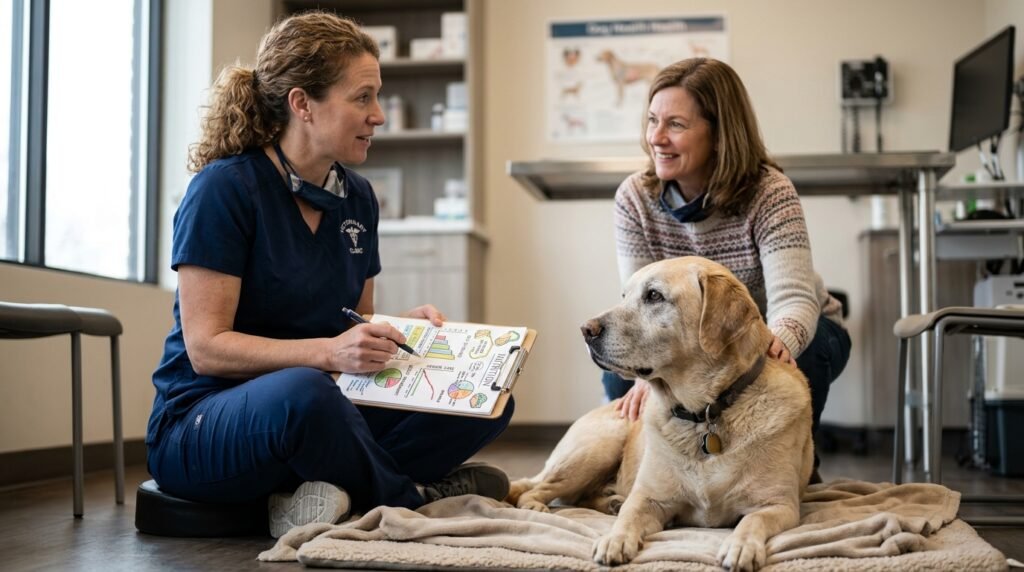
How to Feed a Senior Dog Who Has Lost Appetite
A reduced appetite is common in some elderly dogs, but it should never automatically be dismissed as normal aging.
Start by checking practical problems. Is your dog having trouble chewing? Is the bowl difficult to reach? Has the food changed? Is your dog nauseated? Has the smell of the food become less appealing?
Simple adjustments may help:
- Offer smaller meals more frequently.
- Warm appropriate food slightly to increase aroma.
- Try a softer texture if chewing is difficult.
- Keep feeding times predictable.
- Reduce excessive treats.
- Make sure fresh water is easily available.
- Monitor weight regularly.
- Contact your veterinarian if appetite changes persist.
AKC notes that older dogs can develop reduced appetite and may respond better to warmed food or more palatable textures.
A sudden refusal to eat, repeated vomiting, diarrhea, lethargy, significant weight loss, difficulty swallowing, or other concerning symptoms warrants veterinary attention.
Homemade Diets: Are They Good for Senior Dogs?
Homemade food can sound attractive because you control the ingredients. However, creating a nutritionally complete homemade diet is more complicated than mixing meat, rice, vegetables, and supplements.
Dogs require specific amounts and ratios of many nutrients, including amino acids, fatty acids, vitamins, and minerals. A homemade recipe that looks healthy can still be deficient in important nutrients.
If you want to feed a homemade diet long-term, work with your veterinarian or a board-certified veterinary nutritionist to formulate it specifically for your dog.
Treats and homemade foods should also be considered part of the total calorie intake. Even nutritious foods can contribute to unwanted weight gain when portions become excessive.

A Simple Senior Dog Feeding Routine
Good senior dog nutrition works best when it becomes part of a consistent daily routine.
Feed measured portions rather than leaving unlimited food available if your dog tends to gain weight. Use the same measuring cup or, even better, a kitchen scale when precise portions are needed.
Keep treats modest and account for them when evaluating total calories.
Monitor:
- Body weight
- Body condition
- Muscle over the shoulders and thighs
- Appetite
- Stool quality
- Water consumption
- Energy level
- Mobility
- Dental comfort
- Changes in food preferences
A monthly weight check can reveal gradual changes that are otherwise easy to miss.
Your dog’s diet should also be reassessed as their health changes. A food that worked wonderfully at age seven may not be ideal at age 12.
When Should You Talk to Your Veterinarian?
Veterinary input is particularly important when an older dog’s eating habits, weight, thirst, digestion, or mobility change.
Schedule a veterinary discussion if your senior dog:
- Suddenly stops eating
- Loses weight without explanation
- Gains weight rapidly
- Drinks or urinates much more than usual
- Vomits repeatedly
- Has persistent diarrhea or constipation
- Has difficulty chewing
- Seems painful while eating
- Develops major mobility problems
- Has been diagnosed with kidney, heart, liver, or other disease
- Takes several medications or supplements
Regular wellness visits can also help identify problems before they significantly affect appetite or body condition.
The best approach to senior dog nutrition is therefore proactive: monitor your dog’s body, choose a nutritionally complete diet, and adjust the plan when their health or lifestyle changes.
Frequently Asked Questions About Senior Dog Nutrition
1. What is the best diet for a senior dog?
The best diet depends on the dog’s age, size, activity, body condition, appetite, and health. A complete and balanced food appropriate for the dog’s life stage and condition is a strong starting point. A veterinarian can recommend adjustments for individual medical needs.
2. Do senior dogs need more protein?
Healthy older dogs often benefit from adequate, high-quality protein because maintaining muscle becomes increasingly important with age. However, dogs with certain medical conditions may require individualized nutritional plans.
3. Is wet food better for senior dogs?
Not necessarily. Wet food can be useful for dogs that have dental problems, reduced appetite, or a preference for softer, more aromatic food. Dry food can also be appropriate when the dog can chew it comfortably and it fits their nutritional needs.
4. Should I give my senior dog supplements?
Some older dogs may benefit from specific supplements or diets containing ingredients such as omega-3 fatty acids, antioxidants, or joint-support compounds. However, supplements should be selected based on your dog’s individual needs and discussed with your veterinarian.
Conclusion
Good senior dog nutrition is not about finding one magical ingredient or buying the most expensive bag of food. It is about matching nutrition to the individual dog.
Focus on adequate high-quality protein, appropriate calories, healthy body condition, digestibility, hydration, palatability, and essential nutrients. Pay special attention to muscle loss and unwanted weight gain, because both can become more common as dogs age.
Choose a complete and balanced diet, read the nutritional adequacy statement, measure portions carefully, and be cautious with treats and supplements. If your dog develops a medical condition, work with your veterinarian rather than attempting to create a therapeutic diet yourself.
Most importantly, keep reassessing your dog’s needs. Aging is a gradual process, and senior dog nutrition should evolve alongside it.
A thoughtful feeding plan can help your older companion maintain strength, mobility, comfort, and a better quality of life for the years you have together.
Key Takeaways
- Consider the context around the behavior.
- Look for patterns instead of relying on one signal.
- Seek qualified help when behavior is sudden, severe, or unsafe.
Frequently Asked Questions
Is every behavior a sign of the same emotion?
Not necessarily. Dogs use combinations of signals, and context matters.
When should I contact a professional?
Consider veterinary or qualified behavior support for sudden, severe, escalating, or safety-related concerns.