Nutrition & Diet
Protein Deficiency in Dogs: 7 Signs and Safe Fixes
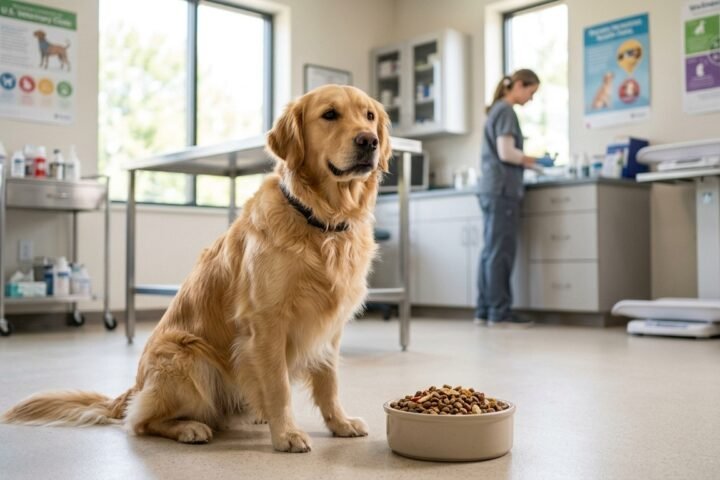
Protein deficiency in dogs can affect muscle condition, growth, skin, coat quality, and the body’s ability to maintain and repair tissues. However, signs that…
Topic library
Healthy food guides, feeding tips, and nutritional advice for your pets.
Featured guide
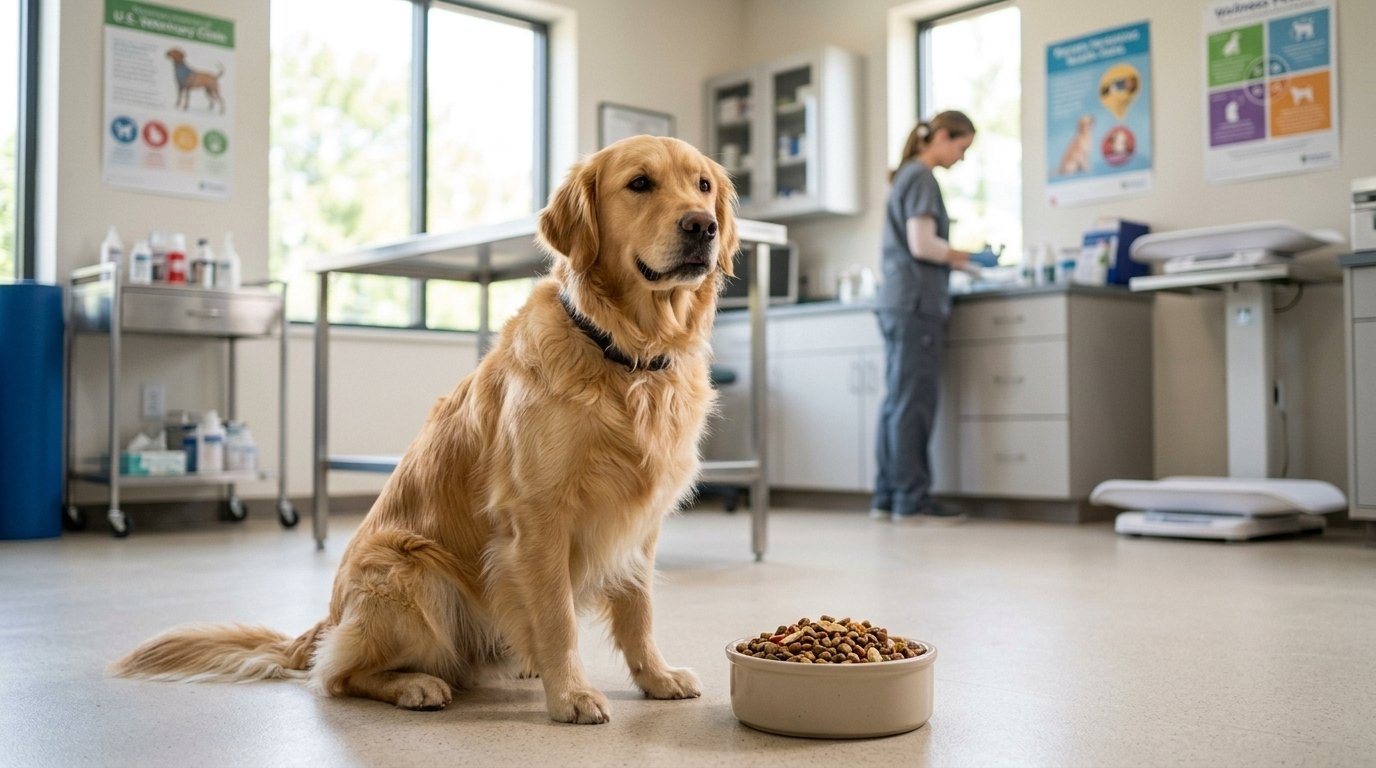
Protein deficiency in dogs can affect muscle condition, growth, skin, coat quality, and the body’s ability to maintain and repair tissues. However, signs that…
Read Guide → Protein deficiency in dogs can affect muscle condition, growth, skin, coat quality, and the body’s ability to maintain and repair tissues. However, signs that…
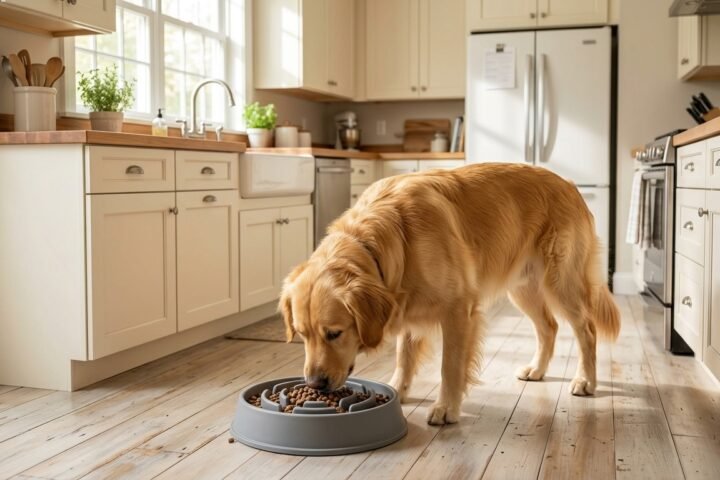
A dog eating too fast may empty a bowl before you have finished putting the food bag away. For many dogs, a quieter feeding…

Figuring out how much to feed a dog takes more than matching body weight to a number of cups. A good starting portion accounts…
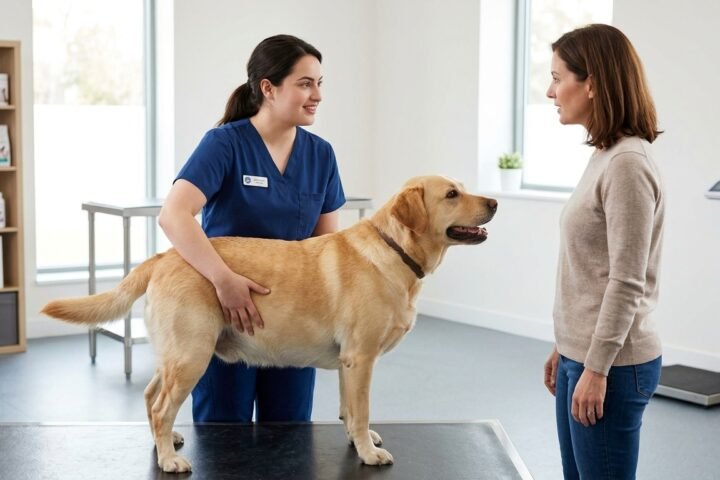
Successful dog weight loss is not about suddenly cutting a dog’s food in half or pushing an out-of-shape dog through exhausting workouts. A safer…

Dog food allergies involve an immune response to something in the diet, usually a protein. Food intolerance is an adverse reaction without that immune…
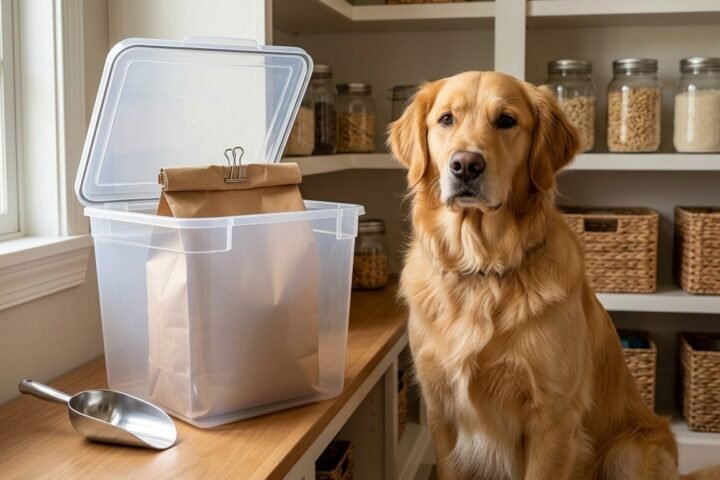
Dog food storage mistakes can turn a good bag of kibble stale long before it looks obviously spoiled. Air, heat, moisture, dirty containers, pests,…

Dog food measuring works best when you use the same method each time and check the information for the exact food you serve. A…
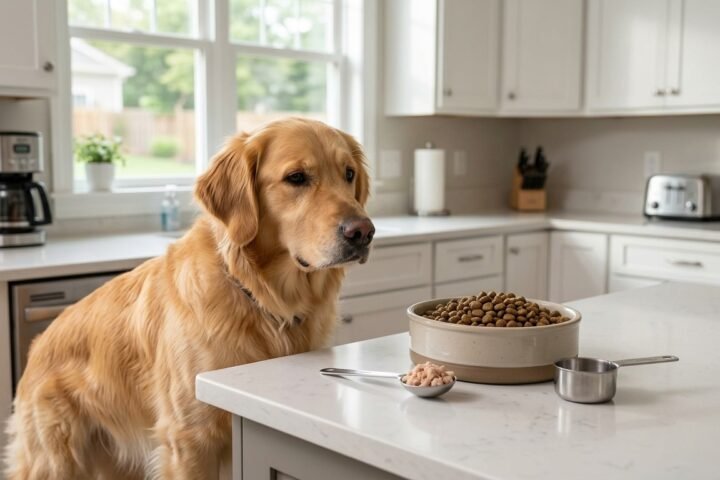
Dog food toppers can add aroma, moisture, and variety to a familiar meal. The safe way to use them is to measure what goes…

Dog treat calories can quietly turn a balanced feeding plan into an oversized daily menu. A biscuit after breakfast, cheese during medication, rewards on…
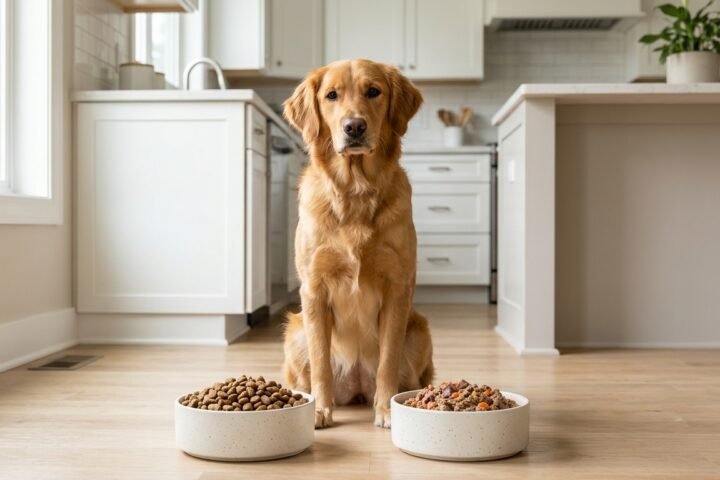
Wet vs dry dog food does not have one winner for every dog. Either format can provide complete, balanced nutrition when it is properly…