The best answer depends on your dog, the context, and the full pattern of behavior. Look at multiple signals rather than one isolated action.
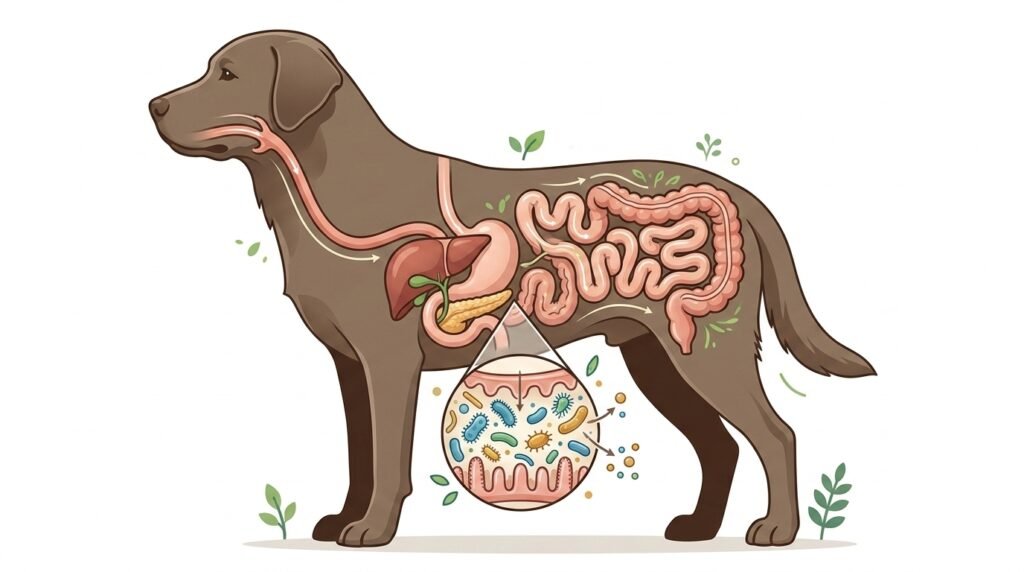
A healthy digestive system does much more than help your dog process food. Dog gut health can influence digestion, nutrient absorption, stool quality, immune function, and overall comfort. Inside your dog’s digestive tract lives a complex community of microorganisms known as the gut microbiome. These bacteria and other microbes interact with food, the intestinal environment, and the immune system.
When that balance is disrupted, some dogs may experience digestive changes such as loose stool, constipation, gas, vomiting, or changes in appetite. Stress, sudden diet changes, illness, parasites, and some medications can also affect the digestive system and gut microbiome.
The good news is that supporting dog gut health does not require chasing every new supplement or dramatically changing your dog’s diet overnight. In many cases, consistent nutrition, gradual dietary changes, hydration, appropriate fiber, and veterinary guidance can provide a more sensible foundation.
Here are nine practical ways to support better digestion and a healthier gut.
Important: Frequent vomiting, persistent diarrhea, blood in the stool, unexplained weight loss, severe lethargy, or refusal to eat can indicate a medical problem. Contact your veterinarian rather than trying to manage serious symptoms with diet changes or supplements alone.
Table of Contents
What Is Dog Gut Health?
Dog gut health refers broadly to the health and function of the gastrointestinal system, including the stomach and intestines and the community of microorganisms living within the digestive tract.
The gut microbiome contains beneficial and potentially harmful microorganisms. A healthy balance helps support normal digestion and other body functions. Probiotics, for example, are beneficial microorganisms, while prebiotics are substances—often specific types of fiber—that help nourish beneficial microbes.
It is important to avoid thinking of every digestive symptom as proof that your dog’s microbiome is “damaged.” Digestive problems can have many causes, including dietary intolerance, parasites, infection, inflammatory disease, or other medical conditions.
That is why the best approach to dog gut health combines everyday prevention with appropriate veterinary care when symptoms persist.
Signs Your Dog’s Digestive System May Need Attention
A single episode of mild digestive upset does not necessarily mean your dog has a long-term gut problem. However, repeated or persistent symptoms deserve attention.
Possible signs include:
- Frequent loose stools
- Constipation
- Excessive gas
- Recurrent vomiting
- Changes in appetite
- Noticeable changes in stool consistency
- Unexplained weight loss
- Signs of abdominal discomfort
- Repeated digestive upset during stress or diet changes
Some of these signs may be associated with changes in the gut microbiome, but they can also result from medical problems that require diagnosis.
If your dog develops persistent symptoms, speak with your veterinarian before adding multiple supplements or repeatedly switching foods.
1. Feed a Consistent, Nutritionally Complete Diet
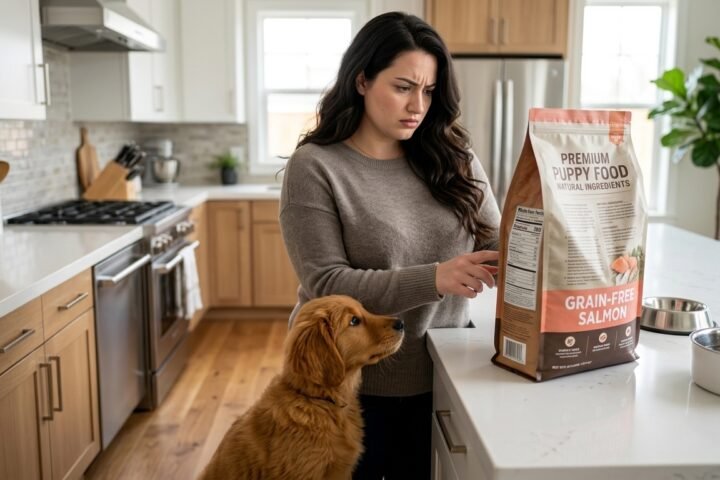
One of the most practical ways to support dog gut health is to start with a nutritionally complete and balanced diet that works well for your individual dog.
There is no single food that is perfect for every dog. Age, size, activity level, medical history, and individual tolerance all matter.
A sudden switch to a fashionable diet is not automatically an improvement. What matters is whether the food provides appropriate nutrition and whether your dog tolerates it well.
When evaluating your dog’s current diet, consider:
- Is it nutritionally complete and balanced for your dog’s life stage?
- Does your dog maintain a healthy body condition?
- Are stools generally normal and consistent?
- Does your dog eat the food willingly?
- Are there recurring digestive problems?
For many healthy dogs, consistency is more useful than constantly rotating foods without a reason.
“What Not to Feed Dogs: 10 Dangerous Foods Every Owner Should Know”
2. Change Foods Gradually
Abrupt dietary changes can cause digestive upset in some dogs.
If you are changing your dog’s food, transition gradually whenever appropriate rather than replacing the entire diet overnight. A slower transition gives you a chance to observe how your dog responds.
A general approach may look like this:
- Start with mostly the current food and a small amount of the new food.
- Increase the new food gradually over several days.
- Monitor appetite and stool quality.
- Slow the transition if your dog develops mild digestive upset.
Dogs with chronic digestive issues may require a more individualized transition plan from their veterinarian.
Gradual dietary changes are especially important when supporting dog gut health because repeatedly changing foods in response to every minor symptom can make it difficult to identify what your dog actually tolerates.
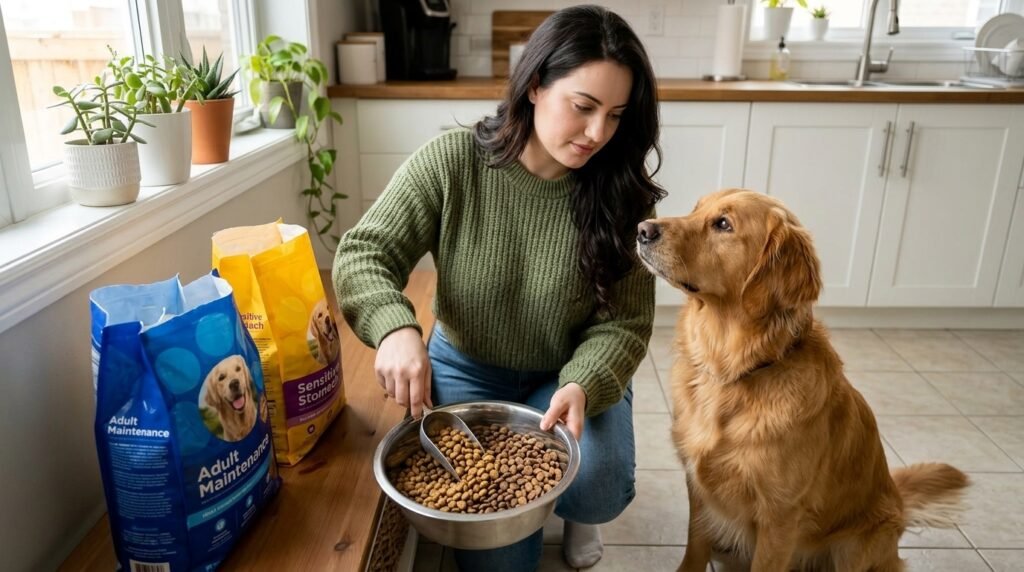
Stress and abrupt diet changes are both recognized factors that can disrupt normal digestive balance.
3. Use Fiber Carefully and Appropriately
Fiber plays an important role in digestive health, but more fiber is not always better.
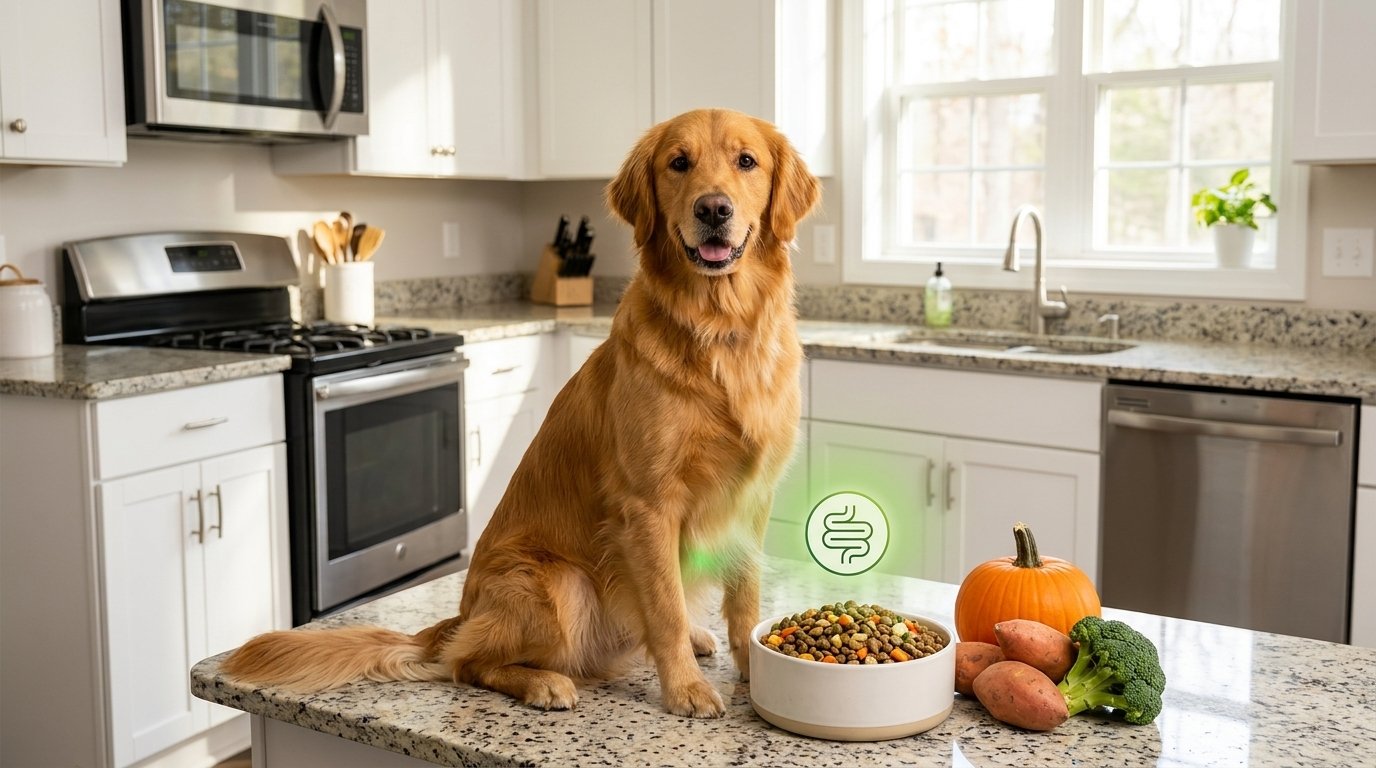
Different types of fiber can influence stool consistency and support the growth of certain beneficial intestinal microorganisms. Some dog owners add fiber-rich foods such as plain pumpkin or other veterinarian-approved ingredients to a dog’s diet.
However, the right amount depends on the individual dog.
Adding large amounts of a new fiber source can cause:
- Gas
- Bloating
- Loose stool
- Changes in bowel movements
If you want to add a fiber-rich food to support dog gut health, introduce it gradually and monitor your dog’s response.
Pumpkin is commonly discussed as a source of dietary fiber, but it should not be treated as a cure for persistent diarrhea or constipation.
4. Consider Probiotics When They Fit Your Dog’s Needs
Probiotics are live microorganisms intended to provide a health benefit when used appropriately. Different probiotic strains can have different effects, so choosing a product based only on the largest number of CFUs is not always the best approach.
Research and veterinary guidance suggest probiotics may be useful in certain situations involving digestive balance, stress, or diarrhea, although benefits can vary depending on the strain, product, and individual dog.
A quality dog probiotic may list:
- The microorganism or strain
- The number of viable organisms
- Storage instructions
- An expiration date
- Information about product quality or research
Common microorganisms found in canine probiotic products may include strains from groups such as Enterococcus, Lactobacillus, Bifidobacterium, and others.
Do not assume every dog needs a daily probiotic forever. If your dog is healthy and has no digestive concerns, ask your veterinarian whether supplementation is actually necessary.
Product to Consider: If you’re looking for a convenient probiotic option for your dog, a veterinarian-formulated dog probiotic powder may be worth discussing with your veterinarian. Look for products that clearly identify their probiotic strains, ingredients, storage instructions, and intended use. Check Price on Amazon
5. Don’t Forget About Prebiotics
Probiotics get much of the attention, but prebiotics are also relevant to dog gut health.
Prebiotics are compounds—often certain types of fiber—that can help nourish beneficial microorganisms already living in the digestive tract.
Some dog foods and supplements contain ingredients intended to provide prebiotic support.

The important thing is not to add every prebiotic ingredient you can find. Instead:
- Introduce one change at a time.
- Start gradually.
- Monitor stool quality and comfort.
- Discuss persistent digestive problems with your veterinarian.
This approach makes it easier to determine what your dog tolerates.
6. Keep Your Dog Properly Hydrated
Water is essential for normal digestion and overall health.
Your dog should have regular access to fresh, clean water. Hydration needs can vary depending on diet, activity, weather, size, and health status.
Poor hydration can contribute to digestive difficulties, particularly in dogs already prone to constipation or illness.
If your dog suddenly drinks much more or much less than usual, that change may also deserve veterinary attention.
Supporting dog gut health is not always about adding something new to the food bowl. Sometimes the most useful habits are basic ones: appropriate food, regular meals, exercise, and reliable access to water.
7. Manage Stress and Maintain a Predictable Routine
Stress can affect the digestive system.
Travel, boarding, moving, illness, environmental changes, and other stressful experiences can contribute to digestive upset in some dogs. AKC and Cornell veterinary resources note that stress can affect gastrointestinal balance and that probiotics may sometimes be considered for specific situations.
You can help by maintaining as much consistency as possible.
Try to provide:
- Predictable feeding times
- Regular opportunities for exercise
- Adequate rest
- A comfortable environment
- Gradual introductions to major changes when possible
If your dog consistently develops diarrhea or vomiting during stressful situations, discuss the pattern with your veterinarian.
“How Much Exercise Does a Dog Need? 7 Factors Every Owner Should Know”
8. Avoid Unnecessary Dietary and Supplement Changes
A common mistake in trying to improve dog gut health is changing too many things at once.
For example, an owner might simultaneously:
- Switch dog foods
- Add a probiotic
- Add pumpkin
- Add digestive enzymes
- Introduce several treats
- Change feeding schedules
If the dog’s symptoms improve—or become worse—it becomes difficult to know why.
A better strategy is to make thoughtful changes one at a time whenever your veterinarian agrees that this is appropriate.
Keep a simple record of:
- Food
- Treats
- Supplements
- Stool consistency
- Vomiting episodes
- Appetite
- Changes in behavior
This information can also be useful during a veterinary appointment.
Not every digestive supplement is appropriate for every dog, and quality can vary. A veterinarian can help determine whether a probiotic, prebiotic, prescription diet, or another treatment is actually appropriate.
9. Know When Dog Gut Health Requires Veterinary Care
Supporting dog gut health at home is appropriate for everyday wellness, but persistent digestive symptoms should not be ignored.
Contact your veterinarian if your dog has:
- Persistent or severe diarrhea
- Repeated vomiting
- Blood in the stool or vomit
- Significant lethargy
- Refusal to eat
- Signs of dehydration
- Abdominal pain
- Unexplained weight loss
- Recurring digestive problems
These symptoms can result from many conditions that cannot be diagnosed simply by looking at stool consistency or adding a probiotic.
Your veterinarian may recommend diagnostic testing, parasite screening, dietary changes, or other treatment depending on the underlying cause.
The goal of supporting dog gut health should not be to replace medical care. It should be to create a strong everyday foundation while recognizing when professional help is necessary.
A Simple Daily Routine for Better Digestive Support
If your dog is generally healthy, a practical routine may look like this:
Morning
- Provide the appropriate portion of a nutritionally complete diet.
- Make sure fresh water is available.
- Avoid introducing multiple new foods at once.
During the Day
- Provide regular physical activity appropriate for your dog’s age and health.
- Keep treats moderate.
- Avoid feeding unsafe human foods.
Evening
- Maintain a consistent feeding routine.
- Monitor stool quality and appetite.
- Introduce any veterinarian-approved dietary change gradually.
This type of consistency can be more valuable than constantly searching for a new “gut health” product.

Common Mistakes That Can Hurt Dog Gut Health
Changing Food Too Quickly
A sudden food switch can trigger digestive upset, especially in sensitive dogs.
Adding Too Many Supplements
More supplements do not necessarily mean better digestive health.
Ignoring Persistent Symptoms
Repeated diarrhea, vomiting, or weight loss requires veterinary attention.
Treating Every Symptom With the Same Solution
Pumpkin, probiotics, or a bland diet may not be appropriate for every digestive problem.
Assuming Human Supplements Are Automatically Safe
Dogs have different needs, and supplement ingredients, sweeteners, and doses may not be suitable for them.
Using Diet Changes Instead of Getting a Diagnosis
A persistent problem may have an underlying medical cause that requires professional treatment.
FAQs
How can I improve my dog’s gut health naturally?
You can support dog gut health by feeding a nutritionally complete diet, changing foods gradually, providing fresh water, managing stress, and discussing appropriate fiber or probiotic options with your veterinarian. Persistent digestive symptoms should be medically evaluated.
What are signs of poor gut health in dogs?
Possible signs include recurring diarrhea, constipation, excessive gas, vomiting, appetite changes, and unexplained weight loss. These symptoms can have many causes, so repeated or severe problems should be evaluated by a veterinarian.
Are probiotics good for dogs?
Some probiotics may help support digestive health in certain situations, but results depend on the specific strain, product, and individual dog. Veterinary guidance can help determine whether a probiotic is appropriate.
What foods are good for dog gut health?
The best starting point is a nutritionally complete diet your dog tolerates well. Some veterinarian-approved foods or ingredients may provide useful fiber or prebiotic support, but individual tolerance varies. Introduce dietary changes gradually.
Conclusion
Supporting dog gut health does not have to be complicated.
Start with the fundamentals: consistent, nutritionally appropriate food, gradual dietary transitions, proper hydration, appropriate activity, and a predictable routine. Probiotics and prebiotics may also have a place, but they should be selected based on your dog’s individual needs rather than marketing claims alone.
Most importantly, monitor your dog’s appetite, energy, stool quality, and overall comfort. When digestive symptoms are persistent, severe, or unusual, veterinary care is the safest next step.
A healthier digestive routine can support better comfort and digestion—but the best approach to dog gut health is always one that fits your individual dog.
Key Takeaways
- Consider the context around the behavior.
- Look for patterns instead of relying on one signal.
- Seek qualified help when behavior is sudden, severe, or unsafe.
Frequently Asked Questions
Is every behavior a sign of the same emotion?
Not necessarily. Dogs use combinations of signals, and context matters.
When should I contact a professional?
Consider veterinary or qualified behavior support for sudden, severe, escalating, or safety-related concerns.