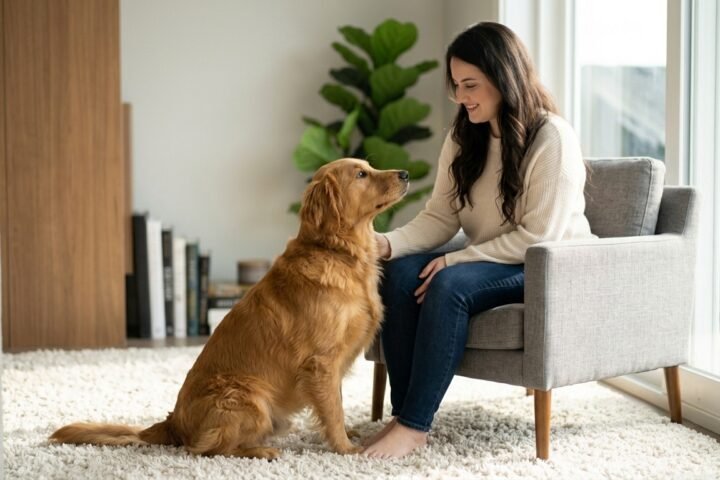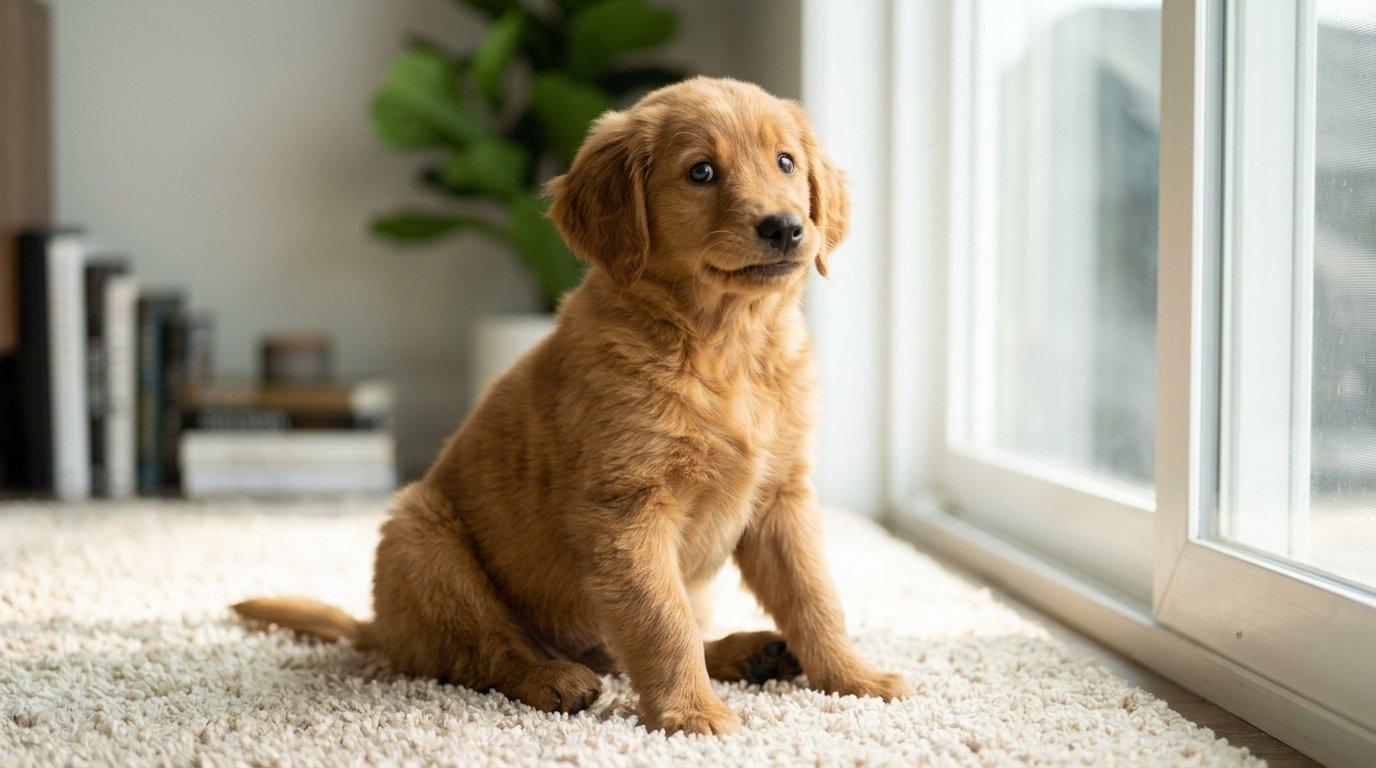
The best answer depends on your dog, the context, and the full pattern of behavior. Look at multiple signals rather than one isolated action.
If you’ve ever watched your dog suddenly make a series of tiny “hic” sounds, you may have wondered, why do dogs get hiccups? The good news is that hiccups are usually harmless and often disappear on their own within a short time.
Dogs get hiccups when the diaphragm, a muscle involved in breathing, spasms involuntarily. These spasms can briefly interrupt normal breathing and create the familiar hiccup sound. Puppies tend to experience hiccups more often than adult dogs, especially after eating or drinking quickly, playing, getting excited, or swallowing extra air.
Still, frequent, prolonged, or unusual hiccups deserve attention—particularly when they occur with coughing, wheezing, vomiting, difficulty breathing, or other signs that your dog is unwell.
In this guide, you’ll learn why do dogs get hiccups, the seven most common triggers, what you can safely do at home, and when it may be time to contact your veterinarian.
Table of Contents
What Are Dog Hiccups?
Before looking more closely at why do dogs get hiccups, it helps to understand what is actually happening inside your dog’s body.
The diaphragm is a large muscle that separates the chest from the abdomen and plays an important role in breathing. During a hiccup, the diaphragm suddenly spasms. This involuntary movement is followed by a rapid closure of the glottis, producing the familiar hiccup sound.
A dog hiccup may look like:
- A small, sudden body jerk
- A repeated “hic” sound
- A brief interruption in normal breathing rhythm
- Mild movement of the chest or abdomen
In many cases, your dog may seem completely comfortable and continue resting, playing, or going about their day.
Quick answer: Most occasional dog hiccups are harmless and resolve without treatment.
What Are Dog Hiccups
Yes, dogs can get hiccups. Hiccups occur when the diaphragm suddenly contracts involuntarily, followed by a brief closure of the glottis that produces the familiar “hic” sound. They are particularly common in puppies, although adult dogs can experience them too.
Occasional hiccups are usually not a cause for concern when your dog is otherwise eating, drinking, breathing, and behaving normally. Episodes often stop on their own without treatment.
If your dog has hiccups that are unusually persistent, happen very frequently, or occur with coughing, vomiting, difficulty breathing, pain, or other concerning changes, contact your veterinarian.
1. Eating Too Quickly
One of the most common answers to why do dogs get hiccups is simply eating too fast.
Dogs that gulp their food may swallow extra air along with it. That extra air and rapid eating can contribute to hiccups.
You may notice hiccups shortly after your dog:
- Finishes a meal unusually fast
- Competes with another pet for food
- Eats while overly excited
- Eats a very large meal quickly
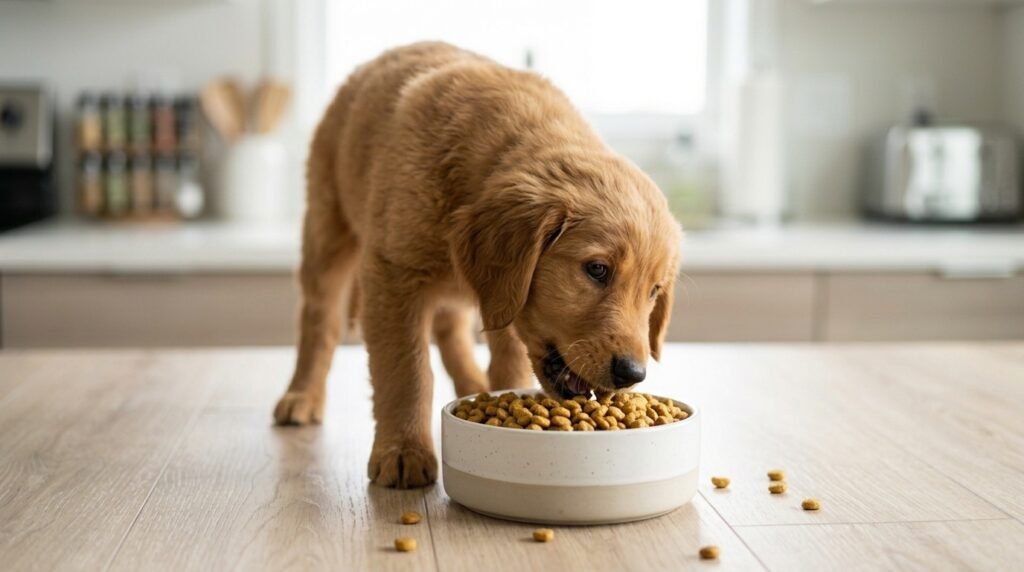
How to Help
Try offering smaller portions or slowing down mealtime.
You can also:
- Divide meals into smaller servings
- Feed pets separately if competition causes fast eating
- Use a slow-feeding method
- Keep mealtimes calm and predictable
Both AKC and PetMD note that eating or drinking too quickly and swallowing air can be associated with hiccups in dogs.
2. Drinking Water Too Fast
Just as fast eating can cause a dog to swallow air, gulping water quickly may also trigger hiccups.
This may happen after:
- Exercise
- Exciting play
- Coming indoors on a hot day
- A long period without drinking
If your dog regularly gulps large amounts of water and then hiccups, try encouraging calmer drinking rather than allowing frantic gulping whenever possible.
Don’t restrict necessary access to water. Instead, focus on identifying why your dog is drinking so rapidly and encourage a calmer routine when appropriate.
3. Excitement and Active Play
Have you noticed that your puppy gets hiccups after a wild play session?
Excitement and rapid activity can change a dog’s breathing pattern. Heavy breathing, rapid breathing, and swallowing extra air may contribute to hiccups.
This is particularly common in energetic puppies.
What You Can Do
Instead of trying a dramatic home remedy, simply help your dog settle down.
You might:
- End intense play for a few minutes
- Move to a quieter environment
- Encourage your dog to rest
- Allow breathing to return to a calm, regular rhythm
A short period of relaxation is often all that is needed.
4. Why Do Puppies Get Hiccups So Often?
Puppies get hiccups more often than adult dogs, and several everyday factors may contribute. Eating or drinking quickly, excitement, active play, swallowing air, and changes in breathing can all occur more frequently during puppyhood.
If you’re wondering what causes hiccups in puppies, the good news is that occasional episodes are usually normal when a puppy is otherwise healthy and comfortable.
Hiccups are generally more common in puppies than in adult dogs. Young puppies may hiccup after eating, drinking, playing, becoming excited, sleeping, or simply going through normal daily activities.
Many puppies experience hiccup episodes that last several minutes, and these episodes often become less frequent as they grow older.
Why Does My Puppy Keep Getting Hiccups?
A puppy may keep getting hiccups because young dogs commonly eat quickly, swallow air, become excited during play, or experience frequent changes in their breathing pattern. Hiccups can also occur during normal rest or sleep.
If the episodes are brief and your puppy continues to eat, drink, play, and breathe normally, they are usually less concerning. However, repeated hiccups accompanied by vomiting, coughing, diarrhea, poor appetite, lethargy, or breathing difficulty should be discussed with a veterinarian.
Puppy Hiccups: When Are They Usually Normal?
Occasional puppy hiccups are generally less concerning when your puppy is otherwise:
- Eating normally
- Drinking normally
- Playing normally
- Breathing comfortably
- Acting alert and energetic
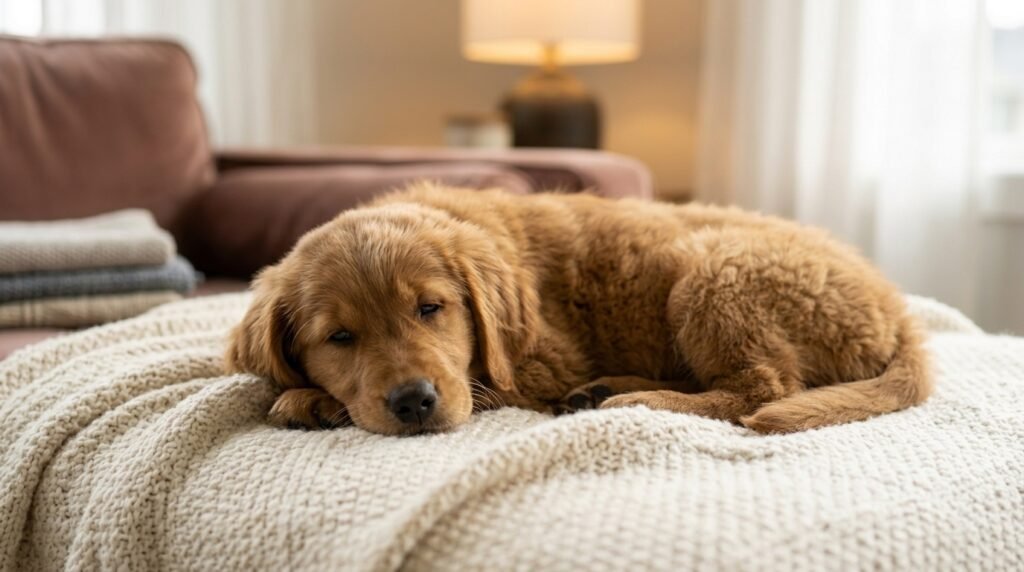
However, hiccups combined with vomiting, diarrhea, appetite changes, coughing, or breathing problems should not automatically be dismissed as normal.
5. Cold Temperatures or Sudden Temperature Changes
Another possible explanation for why do dogs get hiccups is exposure to cold temperatures or sudden changes in temperature.
Some dogs may hiccup after:
- Going from a warm house into cold weather
- Playing outside in chilly conditions
- Drinking very cold water quickly
- Experiencing a sudden environmental change
Some dogs may experience hiccups after changes in temperature or exposure to cold conditions, although this is not considered one of the most common triggers. If you notice a consistent pattern, simply keep your dog comfortable and monitor whether the episode resolves normally.
You don’t need to panic over an occasional hiccup episode after your dog has been outside. Simply help your dog return to a comfortable environment and monitor whether the hiccups stop normally.
6. Stress, Anxiety, or Rapid Breathing
Dogs can experience changes in their breathing when they feel stressed, anxious, overstimulated, or highly excited.
Rapid breathing and hyperventilation can increase the chance of swallowing air, which may contribute to hiccups.
Possible triggers include:
- Loud noises
- Visitors
- Travel
- New environments
- Veterinary visits
- Separation-related stress
- Overstimulation during play
If you notice that your dog consistently gets hiccups during stressful situations, look for patterns.
Ask yourself:
- What happened immediately before the hiccups?
- Was your dog panting heavily?
- Was there a stressful event?
- Did the hiccups occur after excitement or exercise?
Tracking these details can help you identify possible triggers.
7. Stomach Upset or Other Health Issues
Most hiccups are harmless, but this is the reason you should avoid assuming that every hiccup episode is completely normal.
PetMD notes that, on rare occasions, hiccups may be associated with underlying medical problems or other conditions affecting breathing or the digestive system.
A stomach problem may occur alongside:
- Vomiting
- Diarrhea
- Reduced appetite
- Drooling
- Retching
- Signs of nausea
Respiratory problems can also produce sounds or breathing patterns that may be confused with ordinary hiccups.
This is why the context matters more than the hiccup sound alone.
How to Help Your Dog With Hiccups
Most dog hiccups don’t require a specific treatment and disappear naturally within a short time.
There is no need to try to “cure” ordinary hiccups with risky home remedies. The safest approach is usually to keep your dog calm, avoid forcing food or water, and allow the episode to pass while monitoring your dog for other symptoms.
However, if your dog seems comfortable and you want to help, there are a few gentle options you can try.
1. Encourage Calm, Slow Drinking
Offer water and allow your dog to drink calmly.
Avoid forcing water or making your dog drink.
A calm drink may help some dogs, while also avoiding additional stress.
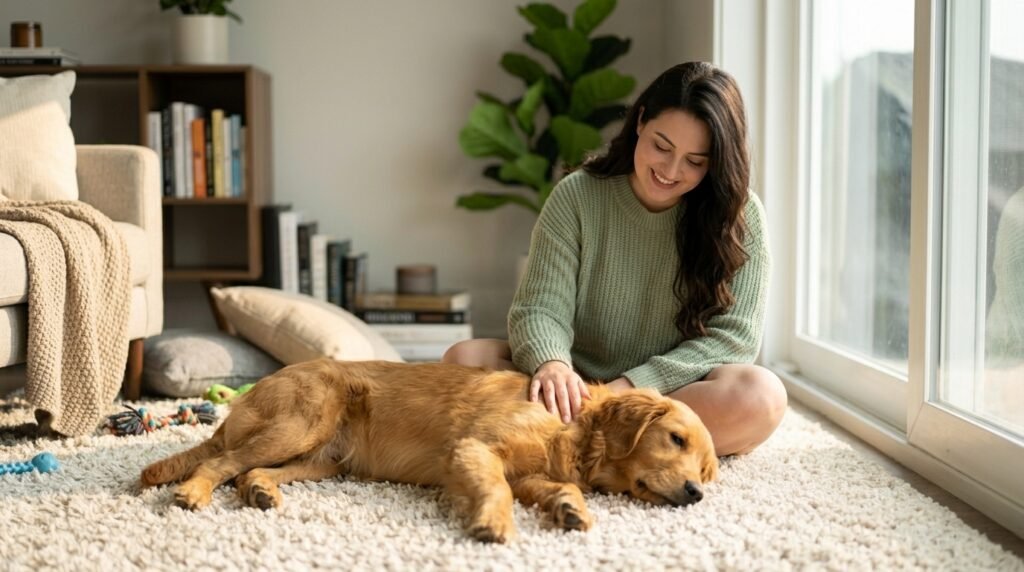
2. Help Your Dog Relax
If the hiccups started after excitement or active play, encourage a calm break.
Sit with your dog, reduce stimulation, and allow their breathing pattern to settle.
A gentle cuddle or soft belly rub may help some dogs relax.
3. Slow Down Fast Eating
If hiccups frequently occur after meals, focus on your dog’s eating habits.
Try:
- Smaller meals
- A calmer feeding environment
- Separating pets during meals
- Feeding strategies that naturally slow eating
The goal is to reduce frantic gulping and excessive air swallowing.
4. Give It Time
Often, the best solution is no intervention at all.
Dog hiccups commonly stop on their own within a short period.
Avoid These Popular “Remedies”
Do not try to scare your dog to stop hiccups.
Also avoid:
- Pulling your dog’s tongue
- Forcing water
- Holding your dog’s mouth closed
- Restricting breathing
- Using stressful human hiccup remedies
These approaches can frighten your dog or create unnecessary risk. AKC specifically advises against scaring a dog or pulling on their tongue as a hiccup remedy.
When Should You Worry About Dog Hiccups?
This is one of the most important parts of understanding why do dogs get hiccups.
An occasional episode in an otherwise healthy, comfortable dog is usually not an emergency.
However, contact a veterinarian if the hiccups are prolonged, happen repeatedly, or occur alongside other concerning symptoms.
Why Is My Dog Hiccuping So Much?
If your dog hiccups a lot, start by looking for a pattern rather than assuming something is wrong. Frequent episodes may be associated with fast eating, rapid drinking, excitement, stress, or other situations that change your dog’s breathing or cause extra air swallowing.
Pay attention to how often the episodes occur, how long they last, and whether your dog has any other symptoms. Hiccups that are persistent, repeatedly returning, or accompanied by abnormal breathing, vomiting, coughing, pain, or significant behavior changes deserve veterinary attention.
Contact Your Vet If Your Dog Has Hiccups Plus:
- Difficulty breathing
- Wheezing
- Persistent coughing
- Retching
- Vomiting
- Excessive drooling
- Difficulty swallowing
- Loss of appetite
- Unusual lethargy
- Pain or obvious distress
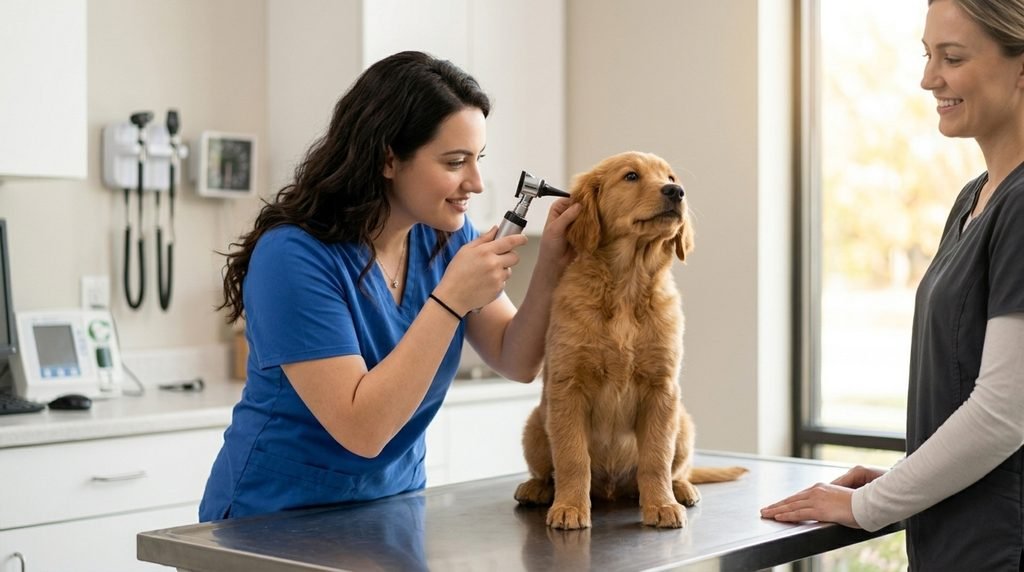
PetMD advises veterinary attention when hiccups persist for an extended period or occur repeatedly with concerning symptoms. AKC similarly recommends veterinary evaluation when hiccups last for hours or are associated with abnormal or difficult breathing.
Important: If your dog is struggling to breathe or has labored breathing at rest, treat that as an urgent veterinary concern rather than simply assuming the problem is hiccups.
Could It Be Something Other Than Hiccups?
Sometimes a sound that appears to be hiccups may actually be coughing, gagging, or reverse sneezing.
Recording a short video of the episode can be useful if you later need to show your veterinarian.
What If My Dog’s Breathing Looks Like Hiccups?
If your dog’s breathing looks like repeated hiccups but the episodes seem unusual, do not assume that they are ordinary hiccups. Coughing, gagging, reverse sneezing, respiratory problems, and other conditions can sometimes produce movements or sounds that are confusing to a pet owner.
If breathing appears labored, unusually fast at rest, noisy, or difficult, seek veterinary care rather than trying to treat the episode as ordinary hiccups.
What If My Dog Keeps Hiccuping and Swallowing?
Repeated swallowing during an apparent hiccup episode can have several possible explanations, and it is not possible to determine the cause from the behavior alone. Your dog may simply be swallowing normally between hiccups, but repeated swallowing can also occur with throat irritation, nausea, reflux, or other problems.
If your dog repeatedly hiccups and swallows, especially if the behavior is new or accompanied by drooling, gagging, vomiting, coughing, difficulty swallowing, or breathing changes, record a short video and contact your veterinarian.
Hiccups
Usually involve:
- Repeated, rhythmic “hic” sounds
- Small body jerks
- Brief episodes
- A dog that otherwise appears normal
Coughing
Coughing can sound dry, deep, honking, or wet depending on the cause. Persistent or recurrent coughing can have many causes and may require veterinary evaluation.
Gagging
Gagging may look as though your dog is trying to vomit but little or nothing comes out. It can occur with coughing or throat irritation.
If you’re unsure what you’re seeing, avoid diagnosing the sound yourself based only on an internet description. A video can help your veterinarian distinguish between different behaviors.
How to Help Prevent Frequent Dog Hiccups
You cannot prevent every hiccup, especially in puppies. But if your dog experiences them regularly, a few lifestyle adjustments may help.
Create a Slower Mealtime Routine
If fast eating appears to be the trigger:
- Offer smaller portions
- Reduce competition around food
- Keep the feeding area calm
- Use an appropriate feeding strategy to reduce gulping
Avoid Extreme Excitement Around Meals
Some dogs become so excited about food that they gulp quickly and swallow air.
A calmer routine may help your dog eat at a more comfortable pace.
Monitor Patterns
Keep a simple note of:
- When the hiccups occur
- What your dog was doing beforehand
- How long they last
- Whether other symptoms appear
Patterns can help you identify whether your dog’s hiccups are associated with meals, exercise, excitement, cold temperatures, or another trigger.
Are Dog Hiccups More Common in Certain Dogs?
Hiccups can occur in dogs of any breed, size, or age.
However, puppies experience them more frequently than many adult dogs. PetMD also notes that brachycephalic breeds, including Pugs, Bulldogs, and Boxers, may be more prone to hiccups because of their airway anatomy.
That does not mean every hiccup in these breeds is automatically harmless. Dogs with known breathing difficulties should be monitored carefully, especially when they develop changes in normal breathing.
FAQs
Why do dogs get hiccups after eating?
Dogs may get hiccups after eating because fast eating can lead to swallowing extra air. Large or rapid meals may also contribute. Slowing down mealtime may help if you notice a consistent pattern.
Are hiccups normal in puppies?
Yes, occasional hiccups are common in puppies and often become less frequent as they grow. However, if your puppy also has vomiting, diarrhea, appetite changes, coughing, or breathing difficulties, contact your veterinarian.
Why do dogs get hiccups so often?
If your dog gets hiccups frequently, look for patterns involving fast eating, rapid drinking, excitement, stress, temperature changes, or heavy breathing. Frequent or prolonged episodes should be discussed with a veterinarian.
How long should dog hiccups last?
Many episodes stop within minutes. If hiccups last an unusually long time, occur repeatedly, or are accompanied by symptoms such as coughing, wheezing, vomiting, pain, or difficulty breathing, contact your veterinarian.
Why Does My Dog Get Hiccups in the Morning?
Waking up to a hiccuping dog is surprisingly common. Morning hiccups often occur because your dog’s stomach has been empty for hours, leading to a buildup of stomach acid or minor reflux. Alternatively, if your dog drinks a large bowl of cold water immediately after waking up, this sudden change can trigger diaphragm spasms. If morning hiccups become a daily routine, try offering a small snack before bedtime.
Dog Hiccups and Vomiting: Is It Normal?
No, this combination is not normal. While an occasional hiccup is harmless, hiccups combined with vomiting, regurgitation, or severe retching can indicate a digestive issue, gastrointestinal blockage, or severe reflux. If your dog exhibits both symptoms together, you should consult your veterinarian immediately rather than waiting for the hiccups to pass.
Can Allergies Cause Hiccups or Sniffling?
While allergies typically cause sneezing, sniffling, or reverse sneezing rather than true hiccups, a dog struggling with nasal congestion may swallow excess air while trying to breathe. This extra swallowed air can sometimes trigger diaphragm spasms
Final Thoughts: Why Do Dogs Get Hiccups?
So, why do dogs get hiccups? In most cases, the answer is simple: temporary spasms of the diaphragm, often associated with things like eating too quickly, drinking quickly, excitement, rapid breathing, cold temperatures, or simply being a young puppy.
Most occasional hiccups are harmless and disappear without treatment. The best approach is usually to keep your dog calm, allow time for the episode to pass, and look for patterns if hiccups happen regularly.
However, persistent or frequent hiccups—especially when combined with coughing, wheezing, vomiting, appetite changes, pain, lethargy, or breathing difficulty—should not be ignored.
Understanding why do dogs get hiccups helps you separate a harmless, temporary “hic” from a situation where your dog may need professional care.
If you’re ever unsure, recording the episode and discussing it with your veterinarian is a sensible next step.
Key Takeaways
- Consider the context around the behavior.
- Look for patterns instead of relying on one signal.
- Seek qualified help when behavior is sudden, severe, or unsafe.
Frequently Asked Questions
Is every behavior a sign of the same emotion?
Not necessarily. Dogs use combinations of signals, and context matters.
When should I contact a professional?
Consider veterinary or qualified behavior support for sudden, severe, escalating, or safety-related concerns.