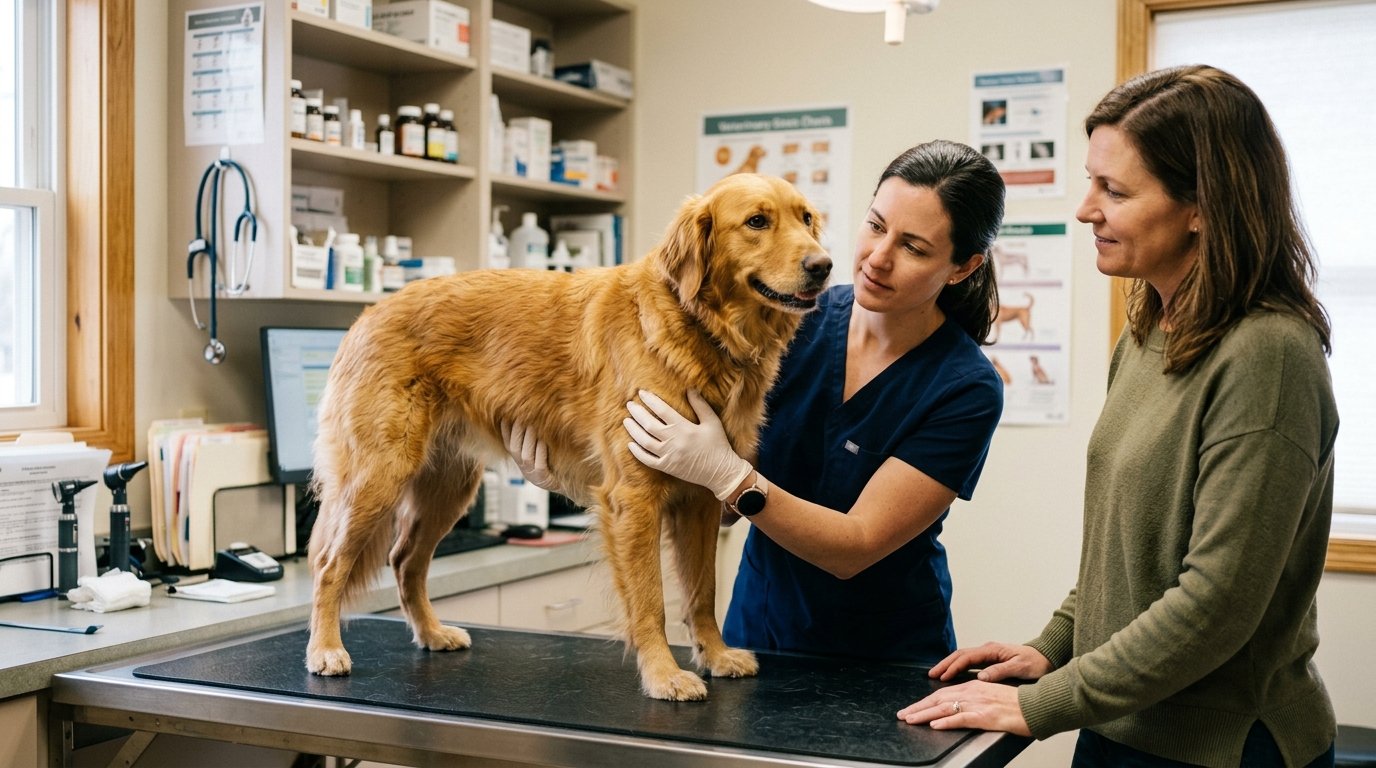
Knowing the 7 common dog health issues that can affect your pet is one of the best ways to protect their quality of life. Dogs cannot tell us when something hurts, so pet parents have to notice changes in appetite, energy, bathroom habits, skin, breathing, movement, and behavior.
Some problems are minor and respond well to routine veterinary care. Others can become serious quickly if warning signs are ignored.
The good news is that many canine health problems can be prevented, managed, or caught earlier through regular veterinary examinations, appropriate nutrition, parasite prevention, dental care, exercise, and careful observation. The Merck Veterinary Manual’s guidance on routine dog health care also emphasizes paying attention to changes such as appetite loss, vomiting, diarrhea, coughing, abnormal urination, itching, and lameness.

This guide explains the 7 common dog health issues pet parents should recognize, what symptoms may look like, what can increase risk, and what you can do to support your dog’s health.
Important: This article is educational and does not replace veterinary diagnosis or treatment. If your dog is seriously ill, struggling to breathe, collapsing, having seizures, experiencing repeated vomiting, or showing another emergency sign, contact a veterinarian or emergency veterinary hospital promptly.
Table of Contents
1. 7 Common Dog Health Issues Include Obesity and Weight Problems
One of the 7 common dog health issues that deserves more attention than it often receives is unhealthy weight gain.
A dog carrying excess body fat may still appear happy and energetic, so obesity can develop gradually without an owner realizing how much the extra weight is affecting the animal. Cornell’s Riney Canine Health Center describes obesity as a major problem in canine medicine and notes that weight management can be challenging for both owners and veterinary teams.
Why obesity matters
Extra weight can place additional stress on the joints and may make movement more difficult. It can also make exercise harder, creating a cycle in which a dog becomes less active and gains even more weight.
A healthy weight is not determined simply by comparing your dog with another dog of the same breed. Body structure, age, muscle mass, activity level, reproductive status, and individual health all matter.
Signs your dog may be overweight
Look for:
- Ribs that are difficult to feel beneath a thick layer of fat
- Little or no visible waist when viewed from above
- A rounded abdomen rather than a natural abdominal tuck
- Reduced willingness to exercise
- Difficulty jumping, climbing, or getting up
- Excessive panting during relatively mild activity
Do not put your dog on a restrictive diet without veterinary guidance. Puppies, senior dogs, pregnant dogs, athletic dogs, and dogs with medical conditions can have very different nutritional needs.
How to support a healthy weight
Measure meals instead of estimating portions. Keep treats within a sensible part of the daily calorie intake, and remember that table scraps can add calories quickly.
Regular walks and age-appropriate play are helpful, but exercise plans should be adjusted for dogs with joint disease, heart disease, respiratory problems, or other medical conditions.
If you are unsure whether your dog is at an appropriate weight, ask your veterinarian to assess body condition rather than relying solely on the number on the scale.
2. Dental Disease Is Another Major Dog Health Concern
Dental disease is another important entry among the 7 common dog health issues, and it is particularly easy to overlook because problems often begin beneath the gumline.
A dog may continue eating normally even while plaque, tartar, gum inflammation, or periodontal disease develops.
What dental disease can look like
Possible warning signs include:
- Bad breath
- Red or swollen gums
- Yellow or brown tartar
- Dropping food while eating
- Chewing on one side
- Pawing at the mouth
- Excessive drooling
- Reluctance to eat hard food
- Loose or damaged teeth
Bad breath should not simply be dismissed as a normal “dog smell.” Persistent odor can be a reason to have your dog’s mouth evaluated.
Why daily dental care matters
Brushing your dog’s teeth regularly can help reduce plaque accumulation. Ideally, dogs should become comfortable with tooth brushing gradually, beginning with gentle handling of the lips and gums before introducing a pet-safe toothbrush and veterinary-approved toothpaste.
Never use human toothpaste unless your veterinarian specifically recommends a product safe for dogs. Some human dental products can contain ingredients that are unsafe for pets.
Professional dental cleanings may also be recommended depending on your dog’s oral health.
External authority resource: The American Veterinary Medical Association’s pet dental-care resources provide additional guidance on maintaining oral health.
Internal link: Learn more about dog care and wellness as part of a complete preventive routine.
3. Skin Problems and Allergies Can Cause Persistent Discomfort
Skin disease and allergies are another of the 7 common dog health issues that can dramatically affect a dog’s comfort.
Dogs can develop allergies related to environmental triggers, parasites, or food. Skin irritation can also have other causes, including infections and hormonal disorders, so persistent itching should not automatically be labeled as a food allergy.
Common signs of skin problems
Watch for:
- Frequent scratching
- Excessive licking
- Chewing at paws
- Red skin
- Hot spots
- Hair loss
- Recurrent ear problems
- Flaky or greasy skin
- Scabs or sores
- Changes in coat quality
A dog that constantly licks its paws may be experiencing irritation, allergies, pain, infection, or another problem.
Fleas can be a major trigger
Even a relatively small flea exposure can cause significant itching in sensitive dogs. Some dogs develop flea allergy dermatitis, in which an allergic reaction to flea saliva causes intense irritation.
That is why consistent parasite prevention is an important part of dog wellness.
The ASPCA’s dog-care resources offer additional information on general canine care and health concerns.
When skin problems need veterinary attention
Schedule a veterinary examination when itching is persistent, severe, accompanied by wounds, or associated with recurrent ear infections or hair loss.
Avoid repeatedly changing food or applying random home remedies without identifying the underlying cause. Treatment depends on what is actually causing the skin problem.

4. Digestive Problems Can Become Serious
Digestive disorders are another of the 7 common dog health issues pet parents frequently encounter.
Occasional digestive upset can happen after a dietary change, eating something unusual, stress, or another temporary trigger. But repeated or severe vomiting and diarrhea should never be ignored.
Common digestive symptoms
Potential signs include:
- Vomiting
- Diarrhea
- Soft stool
- Constipation
- Excessive gas
- Reduced appetite
- Abdominal discomfort
- Weight loss
- Changes in stool color or consistency
The Merck Veterinary Manual recommends paying attention to vomiting, diarrhea, appetite changes, and other deviations from a dog’s normal routine.
When vomiting or diarrhea becomes concerning
A single mild episode in an otherwise healthy adult dog may not always indicate a serious disease, but repeated vomiting, bloody stool, severe diarrhea, weakness, dehydration, abdominal swelling, or refusal to drink warrants prompt veterinary attention.
Puppies and older dogs can become dehydrated more quickly, so owners should be especially cautious with persistent gastrointestinal symptoms.
Never give human anti-diarrheal or anti-nausea medication without veterinary advice.
Food changes should be gradual
Suddenly changing a dog’s diet can cause digestive upset. When changing foods, ask your veterinarian for guidance and transition gradually when appropriate.
Keep trash, toxic foods, medications, chemicals, and other dangerous substances away from your dog.
For additional nutrition guidance, explore dog nutrition resources on PawMindTips.
5. Arthritis and Joint Problems Can Reduce Mobility
Among the 7 common dog health issues, arthritis is especially important for aging dogs, although joint problems can affect younger dogs too.
Arthritis involves inflammation and degeneration within a joint. A dog does not always cry or visibly limp when experiencing chronic discomfort. Instead, the earliest signs may be subtle changes in movement or behavior.
Signs of joint discomfort
Your dog may:
- Take longer to stand up
- Avoid stairs
- Stop jumping onto furniture
- Walk more slowly
- Hesitate before getting into the car
- Become less interested in playing
- Sleep more
- Limp intermittently
- Seem stiff after resting
- Become irritable when touched around painful areas
The AKC’s canine health information includes arthritis and other chronic conditions among the health problems owners may need to recognize and manage.
How you can help
Maintain an appropriate body weight because excess weight increases the mechanical load placed on joints.
Provide comfortable bedding and nonslip surfaces where possible. Shorter, controlled walks may be more appropriate than occasional intense exercise for some dogs.
Do not give your dog human painkillers unless specifically directed by a veterinarian. Some human medications can be dangerous or toxic to dogs.
Your veterinarian may recommend a combination of weight management, controlled exercise, medication, rehabilitation, environmental changes, or other therapies depending on the individual dog.

6. Parasites and Heartworm Disease Are Dangerous but Often Preventable
Parasites represent another important part of the 7 common dog health issues discussion because some infections can cause severe illness while producing few obvious signs in the early stages.
Common canine parasites include fleas, ticks, intestinal worms, and heartworms.
Heartworm disease
Heartworm disease is transmitted by mosquitoes. According to the American Heartworm Society, prevention is an important part of protecting dogs from this potentially serious disease.
The ASPCA also notes that heartworm disease can cause coughing, labored breathing, vomiting, weight loss, fatigue, and exercise intolerance, while some dogs show few signs until disease has progressed.
Why prevention matters
Heartworm treatment is more complicated than prevention, and established infection can damage the heart and pulmonary vessels.
Ask your veterinarian which preventive product is appropriate for your dog’s age, lifestyle, health status, and geographic risk.
Ticks and intestinal parasites
Ticks can transmit diseases such as Lyme disease and other infections. Cornell’s veterinary specialists note that Lyme disease in dogs may cause lameness from joint inflammation, while leptospirosis can cause serious kidney and liver disease.
Regular parasite prevention should therefore be part of your dog’s routine health plan rather than something used only after parasites become visible.
External authority resource: The Companion Animal Parasite Council provides parasite-control information for pet owners and veterinary professionals.
7. Diabetes and Other Chronic Diseases Require Early Recognition
The final condition in our 7 common dog health issues guide is diabetes and related chronic disease.
Diabetes occurs when the body cannot properly regulate blood glucose. It requires veterinary diagnosis and ongoing management.
The ASPCA’s information on diabetes in dogs identifies increased thirst, increased urination, weight loss, appetite changes, lethargy, dehydration, vomiting, cataracts, and recurrent infections among possible signs.
Warning signs pet parents should notice
Pay attention if your dog suddenly:
- Drinks much more water
- Urinates much more frequently
- Loses weight without explanation
- Becomes unusually tired
- Develops recurrent infections
- Has major appetite changes
- Develops cloudy eyes or vision changes
These signs do not automatically mean diabetes. Kidney disease, hormonal disorders, infections, medications, and other conditions can produce similar symptoms.
That is why diagnostic testing matters.
Chronic disease does not mean poor quality of life
Many chronic conditions can be managed successfully when owners follow a veterinary treatment plan.
Your veterinarian may recommend blood tests, urine testing, imaging, medication, dietary adjustments, or regular monitoring depending on the suspected condition.
Never change medication doses on your own, even if your dog appears better.

How to Recognize Early Warning Signs in Your Dog
Understanding the 7 common dog health issues is useful, but knowing your individual dog’s normal behavior is even more important.
A healthy dog has its own baseline. You know how much your dog normally drinks, how enthusiastically it eats, how often it asks to go outside, how quickly it gets tired, how its stool normally looks, and how it behaves around family members.
A meaningful change from that baseline deserves attention.
Watch for changes in appetite
A sudden refusal to eat can have many causes, ranging from mild stomach upset to dental pain or systemic illness.
If your dog refuses food repeatedly, especially alongside vomiting, weakness, pain, or other symptoms, contact your veterinarian.
Monitor water consumption
An increase in thirst can be associated with several medical conditions, including diabetes and endocrine or kidney disorders.
Do not rely solely on guessing. If you notice a consistent change, tell your veterinarian.
Pay attention to bathroom habits
Changes in urination or bowel movements can provide valuable clues about your dog’s health.
Merck Veterinary Manual specifically recommends paying attention to changes in how frequently a dog urinates, as well as vomiting, diarrhea, coughing, appetite changes, skin problems, and lameness.

When Should You Take Your Dog to the Vet?
Knowing the 7 common dog health issues can help you recognize possible problems, but deciding when to seek veterinary care is equally important.
Contact your veterinarian promptly if your dog has:
- Repeated vomiting or diarrhea
- Blood in vomit or stool
- Sudden loss of appetite
- Major unexplained weight loss
- Difficulty breathing
- Persistent coughing
- Severe or worsening pain
- Sudden weakness
- Collapse
- Seizures
- Major changes in urination
- Severe itching or rapidly worsening skin problems
- Sudden inability to walk normally
- Abdominal swelling
- Signs of poisoning or toxin exposure
Emergency symptoms can have many causes, and the safest response is professional assessment rather than trying multiple home treatments.
For general preventive guidance, the American Kennel Club’s common canine disease guide discusses several infectious diseases that can cause serious illness and highlights the importance of vaccination and prevention.
How to Help Prevent Common Dog Health Problems
Although not every disease can be prevented, responsible daily care can reduce many avoidable risks.
Keep vaccinations current
Vaccines protect dogs against several serious infectious diseases. Your veterinarian can recommend a vaccination schedule based on age, lifestyle, location, exposure risk, and applicable local requirements.
The AAHA canine vaccination guidelines provide veterinary guidance on canine vaccination.
Use parasite prevention
Ask your veterinarian about flea, tick, intestinal parasite, and heartworm prevention.
Prevention should be tailored to your dog’s lifestyle rather than selected solely because another pet uses the same product.
Feed a complete and balanced diet
Nutrition affects weight, skin, coat, gastrointestinal health, and overall condition.
Avoid assuming that a homemade diet is automatically healthier. If you want to prepare your dog’s food at home, discuss the recipe with a veterinary nutrition professional.
Maintain dental care
Regular tooth brushing and veterinary dental examinations can help identify oral disease earlier.
Provide appropriate exercise
Daily activity supports physical conditioning, mental stimulation, and healthy weight.
The right amount varies dramatically between a young working breed and a senior companion dog.
Schedule routine veterinary examinations
Routine visits allow veterinarians to identify subtle abnormalities before owners necessarily notice them.
Older dogs may require more frequent examinations and diagnostic testing because age increases the likelihood of certain health problems.
4 Frequently Asked Questions About Dog Health
1. What are the most common health problems in dogs?
Common canine health concerns include obesity, dental disease, skin and allergy problems, digestive disorders, arthritis, parasite-related diseases, and chronic conditions such as diabetes. The specific risks vary according to age, breed, lifestyle, genetics, environment, and preventive care.
2. What are the first signs that a dog may be sick?
Early warning signs can include appetite changes, unusual tiredness, increased thirst, changes in urination or stool, vomiting, diarrhea, coughing, sneezing, itching, hair loss, bad breath, limping, or changes in normal behavior.
3. How can I prevent common dog health problems?
A strong preventive routine includes appropriate nutrition, healthy weight management, regular exercise, dental care, parasite prevention, vaccination, routine veterinary examinations, and prompt attention to unusual changes.
4. When is a dog health problem an emergency?
Difficulty breathing, collapse, seizures, severe bleeding, repeated vomiting, severe weakness, suspected poisoning, sudden inability to walk, major abdominal swelling, or other rapidly worsening symptoms should be treated as potentially urgent. Contact a veterinarian or emergency veterinary service rather than waiting to see whether the condition improves.
Conclusion
Learning about the 7 common dog health issues is not about becoming your dog’s veterinarian. It is about becoming a better observer and advocate for your pet.
Obesity, dental disease, skin problems, digestive disorders, joint disease, parasites, and chronic conditions can affect dogs in different ways. Some develop gradually, while others can become serious quickly.
The most valuable habit is simple: know what is normal for your dog.
Notice changes in appetite, thirst, weight, energy, movement, skin, stool, urine, breathing, and behavior. Keep preventive care current, maintain a healthy lifestyle, and speak with your veterinarian whenever something does not seem right.
Early attention can make a meaningful difference—and your dog depends on you to notice when something has changed.