The best answer depends on your dog, the context, and the full pattern of behavior. Look at multiple signals rather than one isolated action.
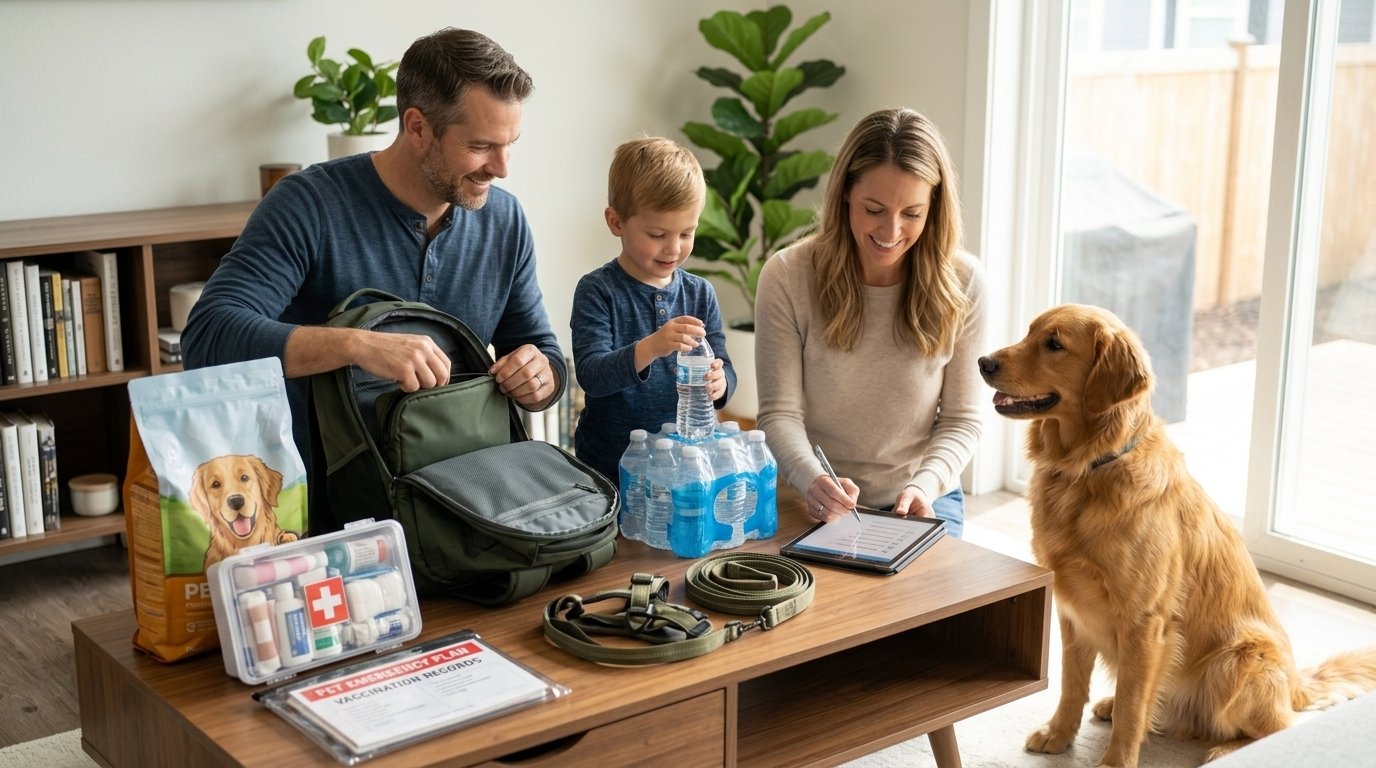
An emergency can happen with little or no warning. Wildfires, floods, hurricanes, tornadoes, house fires, severe storms, and other unexpected events can force families to leave home quickly. In those moments, having a Dog Emergency Plan already prepared can make it easier to protect your dog instead of trying to make important decisions under pressure.
A good Dog Emergency Plan should cover more than food and water. You need to think about identification, medical records, evacuation routes, safe places to stay, transportation, emergency contacts, and what to do if your dog becomes separated from you.
The most important rule is simple: if conditions are unsafe for you, they may also be unsafe for your dog. The CDC and Humane World both recommend planning ahead, preparing emergency supplies, and including pets in evacuation decisions rather than leaving them behind.
This guide walks you through seven practical steps that can help you prepare your dog before an emergency happens.
Table of Contents
1. Create a Clear Dog Emergency Plan Before You Need It
The first step is to decide what you will actually do if you have to leave home quickly or shelter in place.
Your Dog Emergency Plan should answer questions such as:
- Who is responsible for getting the dog during an emergency?
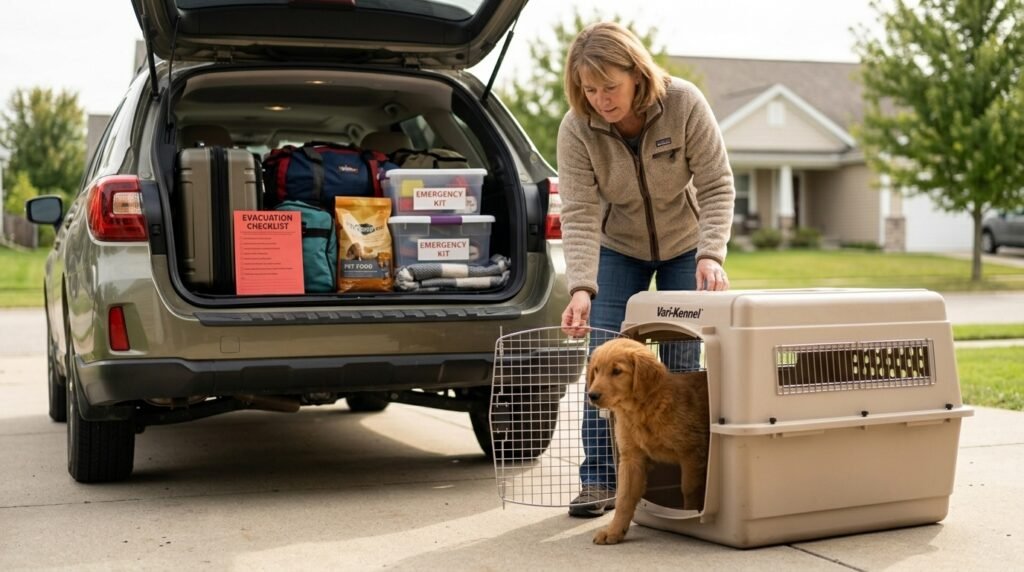
- Where is your dog’s leash, harness, carrier, and emergency supplies?
- Which exits will you use?
- Where will your family meet if you become separated?
- Where can you stay with your dog?
- Who can help if you are not home?
Write down the most important information instead of relying only on memory. Keep a printed copy with your emergency supplies and save a digital copy somewhere you can access from another device.
The CDC recommends identifying care options and making arrangements before an emergency because disasters can occur without warning.
Create a Backup Caregiver Plan
One of the most overlooked parts of emergency preparedness is planning for a situation where you cannot get home.
Choose a trusted:
- Neighbor
- Friend
- Family member
- Pet sitter
Give that person clear instructions about your dog. They should know:
- Where your dog usually stays
- Where the leash and carrier are located
- Your veterinarian’s contact information
- Any medications your dog needs
- Your preferred evacuation destination
A backup caregiver can be especially important if an emergency happens while you are at work or traveling.
2. Build a Dog Emergency Kit With Essential Supplies
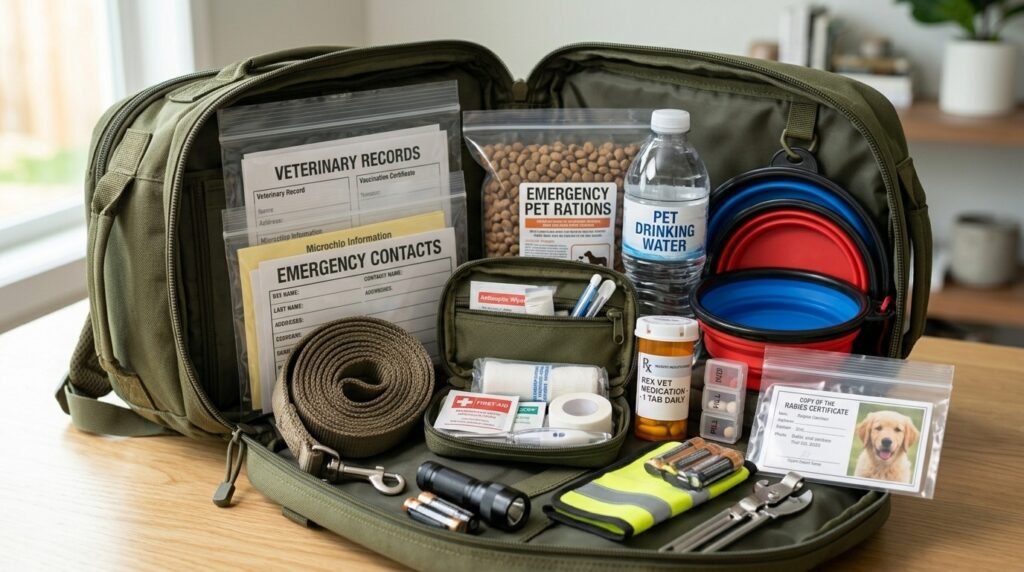
Your Dog Emergency Plan should include a ready-to-go emergency kit. Waiting until an evacuation order or disaster warning is issued may leave you without enough time to gather everything.
The CDC recommends preparing food, water, medications, medical information, identification details, transport equipment, and other supplies in advance.
Your Dog Emergency Kit Should Include:
- Food
- Drinking water
- Food and water bowls
- Necessary medications
- Medication instructions
- Leash
- Collar
- Harness
- Secure carrier or crate
- Bedding or a blanket
- Waste bags
- Cleaning supplies
- A pet first-aid kit
- Recent photos of your dog
- Veterinary records
- Vaccination information
- Rabies certificate
- Microchip information
- Your contact details
- Comfort items such as a familiar toy
The exact amount of supplies you need may depend on your dog’s size, health needs, and the type of emergency. The CDC’s pet preparedness guidance recommends storing important records in a waterproof container and preparing supplies before an emergency occurs.
Keep the Kit Easy to Grab
Store your dog’s supplies in one clearly marked, portable container.
Good options include:
- A waterproof storage bin
- A durable backpack
- A portable pet emergency bag
Check the kit regularly. Replace expired food, water, and medications, and update documents whenever your address, veterinarian, or contact information changes.
3. Keep Your Dog’s ID and Medical Information Updated
During a disaster, frightened dogs may escape from homes, vehicles, shelters, or unfamiliar temporary locations. Proper identification can significantly improve the chances of being reunited.
Your Dog Emergency Plan should include several layers of identification.
Use Updated ID Tags
Your dog’s collar should have an identification tag with current contact information.
Consider including:
- Your phone number
- An alternate phone number
- Your dog’s name
If you move or change your phone number, update the tag as soon as possible.
Keep Microchip Information Current
A microchip can provide an additional way to identify your dog if a collar or tag is lost. However, the information associated with the microchip must be current.
The CDC and Humane World both recommend microchipping pets and keeping registration details updated as part of emergency preparedness.
Save Current Photos
Keep recent photographs showing:
- Your dog’s full body
- Distinctive markings
- Your dog’s face
- You together with your dog, if possible
These photos can be useful if your dog becomes separated from you.
Also keep copies of veterinary records and vaccination documents in a waterproof container and, when possible, maintain secure digital copies.
4. Plan Where You Will Go With Your Dog
A major weakness in many emergency plans is assuming that every evacuation shelter, hotel, or temporary housing location will automatically accept pets.
That is not always the case. The CDC specifically advises pet owners to identify potential accommodations before an emergency, including pet-friendly locations, friends or relatives, veterinary facilities, or other care options.
Your Dog Emergency Plan should include at least two or three possible destinations.
Option 1: Family or Friends
Identify people outside your immediate area who may be willing to temporarily accommodate you and your dog.
Ask them before an emergency happens.
Option 2: Pet-Friendly Accommodation
Research hotels or other temporary accommodations along likely evacuation routes.
Keep a list with:
- Names
- Phone numbers
- Addresses
- Pet policies
Option 3: Veterinary or Boarding Facilities
Identify veterinary clinics, animal hospitals, or boarding facilities that may be available if you cannot keep your dog with you.
Do not wait until the last minute to research these options.
Pet Travel With Your Dog: 9 Tips for Safe and Stress-Free Trips
5. Prepare Your Dog for Evacuation and Transportation
Having supplies is helpful, but your Dog Emergency Plan can still fail if your dog panics when you need to leave.
Some dogs become frightened by:
- Sirens
- Thunder
- Smoke alarms
- Crowds
- Unfamiliar environments
- Car travel
- Carriers or crates
Practice before an emergency.
The CDC recommends keeping a leash or carrier near an exit and practicing evacuation and transportation with pets.
Practice These Skills
Help your dog become comfortable with:
- Wearing a harness
- Walking quickly on a leash
- Entering a crate or carrier
- Riding in the car
- Responding to recall
- Being handled safely
You should also know where your dog tends to hide when frightened.
During an emergency, even normally friendly dogs may behave differently because of fear or stress. Keeping your dog securely leashed or contained can reduce the risk of escape.
Keep Emergency Equipment Near an Exit
Store essential equipment in a predictable location:
- Leash
- Harness
- Carrier
- Emergency kit
If you have multiple dogs, consider assigning responsibility for each dog to a different family member whenever possible.
6. Know Whether to Evacuate or Shelter in Place
A complete Dog Emergency Plan should prepare you for both major possibilities:
- Leaving your home
- Staying safely inside
The correct decision depends on the specific emergency and instructions from local authorities.
If You Need to Evacuate
Take your dog with you whenever it is safe and possible to do so.
Humane World warns that pets left behind during disasters can face injury, separation, or worse, while the CDC also emphasizes including pets in evacuation planning.
Before leaving:
- Put your dog on a leash or in a secure carrier
- Take your emergency kit
- Bring medications and records
- Confirm your destination
- Avoid waiting until conditions become more dangerous
If You Must Shelter in Place
Choose a secure area inside your home.
The CDC recommends selecting a pet-friendly room and removing potential hazards such as toxic chemicals or dangerous objects.
Your safe area should ideally have:
- Few windows
- Enough water
- Food supplies
- Necessary medications
- A leash or carrier
- Bedding
- Minimal escape routes
Keep your dog indoors and supervise them closely.
7. Plan for What Happens After the Emergency
Your Dog Emergency Plan should not end when the immediate danger passes.
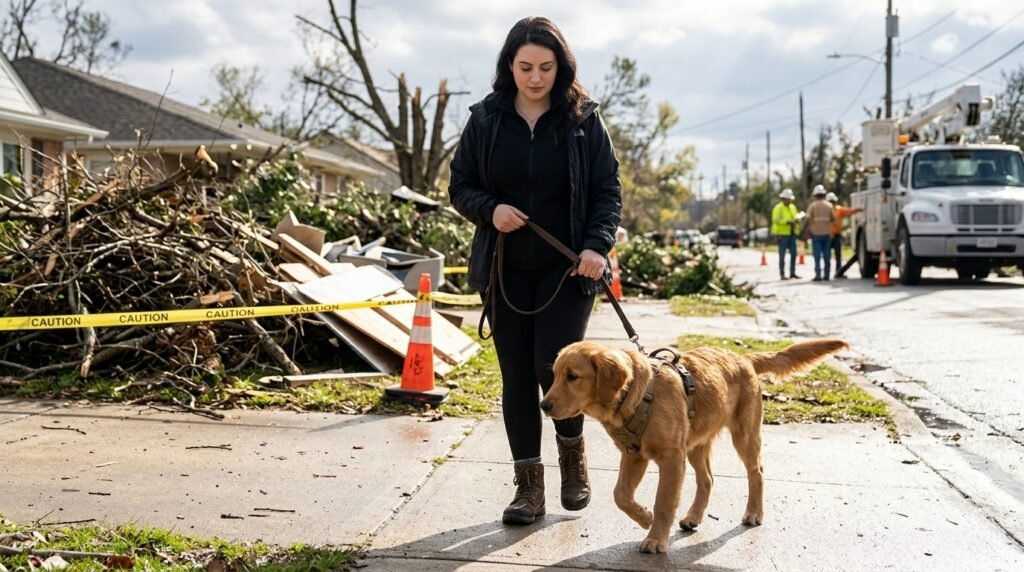
The period after a disaster can also create serious risks.
Your dog may encounter:
- Floodwater
- Sharp debris
- Damaged structures
- Downed power lines
- Spilled chemicals
- Wildlife
- Stray animals
Dogs may also become disoriented because familiar scents and surroundings have changed.
The CDC advises keeping pets leashed or safely contained after an emergency because changed environments can cause animals to become confused and lost.
Watch for Changes in Behavior
Stress can affect your dog’s behavior.
You may notice:
- Hiding
- Shaking
- Excessive barking
- Loss of appetite
- Aggression
- Unusual clinginess
- Difficulty sleeping
Give your dog time to adjust, but contact a veterinarian if you notice signs of illness, injury, significant distress, or unusual behavior that concerns you.
Be Careful Around Floodwater and Wildlife
After flooding or other disasters, contaminated water and displaced wildlife can create additional risks.
Avoid allowing your dog to:
- Drink stagnant or contaminated water
- Approach unfamiliar animals
- Explore damaged areas unsupervised
The CDC also recommends maintaining appropriate preventive care and consulting a veterinarian about your dog’s health needs.
A Simple Dog Emergency Plan Checklist
Before an emergency happens, make sure you can check off the following:
- My dog has updated ID tags.
- My dog’s microchip information is current.
- I have recent photos of my dog.
- I have copies of veterinary and vaccination records.
- I have a ready-to-go emergency kit.
- I have food, water, and medications prepared.
- I know where my dog’s leash and carrier are.
- I have identified pet-friendly evacuation options.
- I have a trusted backup caregiver.
- My dog is reasonably comfortable with transportation and containment.
- My family knows who is responsible for the dog during an emergency.
A plan does not need to be complicated. The goal is to make important decisions before stress and urgency make them more difficult.
Common Dog Emergency Preparedness Mistakes to Avoid
Even responsible owners can overlook important details.
Waiting Until an Emergency Begins
Supplies may be unavailable, roads may become unsafe, and you may have very little time to prepare.
Assuming Every Shelter Accepts Dogs
Always research your options in advance.
Forgetting to Update Contact Information
An outdated ID tag or microchip registration can make reunification more difficult.
Leaving the Emergency Kit Unchecked
Food, medications, and documents need regular review.
Having No Backup Caregiver
If you cannot get home, someone else may need to help your dog.
Never Practicing the Plan
A dog that refuses to enter a carrier or panics during car travel can make an already stressful situation harder.
When Should You Update Your Dog Emergency Plan?
Review your Dog Emergency Plan at least periodically and whenever something important changes.
Update it if you:
- Move to a new home
- Change your phone number
- Change veterinarians
- Add another pet
- Start a new medication
- Change your dog’s diet
- Change your emergency contacts
It is also a good idea to review your supplies before seasons when severe weather or other predictable local risks are more likely.
FAQ About Creating a Dog Emergency Plan
What should be included in a dog emergency plan?
A Dog Emergency Plan should include evacuation arrangements, emergency contacts, identification, medical records, food, water, medications, transportation equipment, and a safe place to stay.
How much food and water should I keep for my dog during an emergency?
The amount depends on your dog’s size, health, and the expected emergency situation. The CDC’s preparedness guidance includes storing food and water as part of a pet disaster kit and recommends preparing supplies in advance.
Should I take my dog with me if I evacuate?
When evacuation is necessary, planning to take your dog with you is generally safer than leaving them behind. Humane World and the CDC emphasize including pets in evacuation planning because pets left behind may become injured, lost, or separated from their families.
What happens if my dog gets lost during a disaster?
Use recent photos, updated ID tags, and current microchip information to support reunification efforts. Contact local animal shelters, animal control agencies, and relevant organizations once it is safe to do so.
Conclusion
Creating a Dog Emergency Plan is one of those tasks that is easy to postpone because emergencies feel unlikely—until one actually happens.
Taking time now to prepare identification, medical records, food, water, transportation equipment, evacuation options, and a backup caregiver can reduce confusion when every minute matters.
Start with the seven steps in this guide, build your emergency kit, and practice the plan with your dog. You do not need a perfect system overnight. A practical Dog Emergency Plan that you review and improve over time is far better than having no plan at all.
For additional official preparedness guidance, see the CDC’s pet emergency preparedness guide and Humane World’s pet emergency plan resources.
Key Takeaways
- Consider the context around the behavior.
- Look for patterns instead of relying on one signal.
- Seek qualified help when behavior is sudden, severe, or unsafe.
Frequently Asked Questions
Is every behavior a sign of the same emotion?
Not necessarily. Dogs use combinations of signals, and context matters.
When should I contact a professional?
Consider veterinary or qualified behavior support for sudden, severe, escalating, or safety-related concerns.