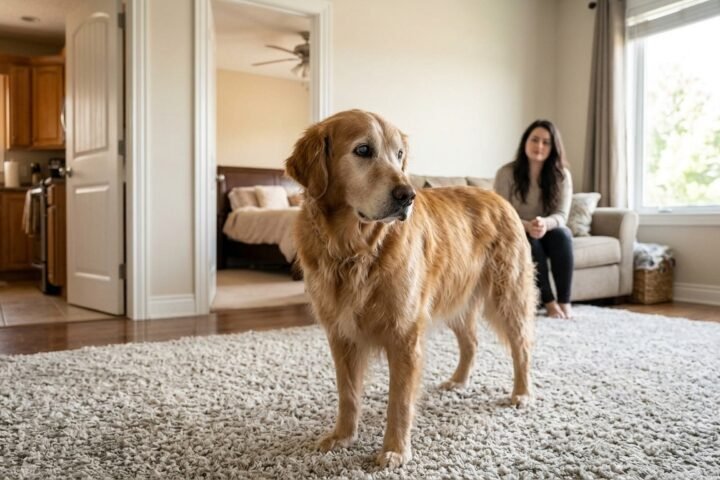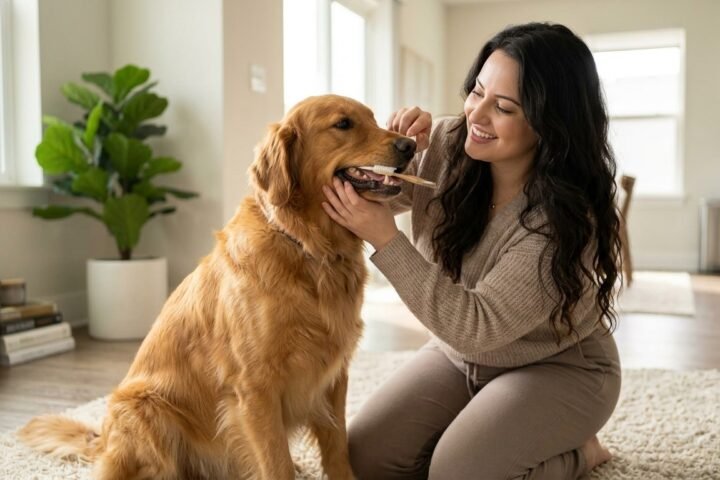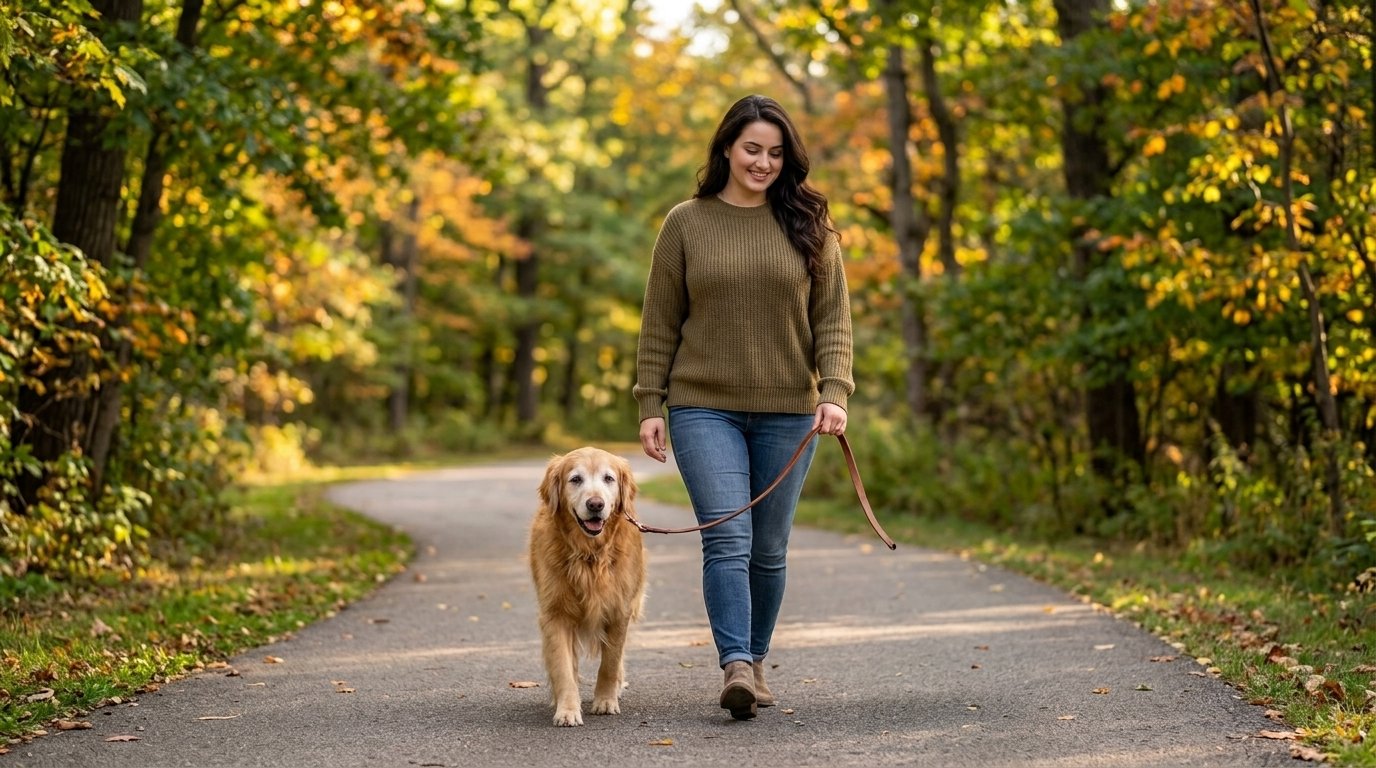
The end of summer can feel like a welcome relief after weeks of high temperatures, but it also brings changes that may affect aging dogs more than their owners realize. Effective senior dog fall care involves more than putting away cooling mats and scheduling walks later in the day. Temperature swings, shorter daylight hours, stiff joints, changing activity levels, and unfamiliar household routines can all influence an older dog’s comfort.
Most senior dogs do not need their lives completely reorganized for fall. They benefit from gradual adjustments, careful observation, and veterinary attention when changes cannot be explained by the season alone. Here are nine important changes to watch as summer gives way to fall.
Table of Contents
1. Cooler Weather Does Not Immediately Eliminate Heat Risk
The first mild morning can make summer feel finished, but early fall often includes unexpectedly hot afternoons. Older dogs may be especially vulnerable when owners suddenly return to midday walks or longer outdoor activities.
Senior dogs can have less efficient temperature regulation, reduced cardiovascular or respiratory capacity, and medical conditions that make heat harder to tolerate. Dogs with thick coats, flat faces, obesity, heart disease, or breathing problems may need additional precautions.
Continue to:
- Check the hourly forecast rather than relying on the morning temperature
- Carry water during longer walks
- Provide access to shade
- Avoid hot pavement
- Shorten exercise when humidity is high
- Watch for heavy panting, weakness, confusion, or poor coordination
If the weather remains warm in your area, follow the same precautions used to keep your dog cool during summer. Do not assume that a date on the calendar makes strenuous activity safe.
Heavy panting that does not settle with rest, bright or unusually pale gums, vomiting, collapse, disorientation, or difficulty breathing requires immediate veterinary attention. Move the dog to a cooler location, begin gentle cooling with cool—not ice-cold—water, and contact an emergency veterinary clinic.
2. Joint Stiffness May Become More Noticeable
One of the most important parts of senior dog fall care is monitoring mobility. Owners commonly report that an older dog seems slower or stiffer when weather conditions change. However, seasonal timing should never be used to dismiss persistent pain.
Look for subtle changes such as:
- Hesitation before using stairs
- Difficulty rising after sleep
- Shorter steps or a slower pace
- Reluctance to jump into the car
- Lagging behind during walks
- Licking a particular joint
- Shifting positions repeatedly at night
- Irritability when touched
- Reduced interest in play
A dog does not have to cry or limp dramatically to be uncomfortable. The Cornell University College of Veterinary Medicine explains that limping or difficulty walking indicates that pain is interfering with normal limb use.
Keep a short mobility record for one or two weeks. Note how easily your dog rises, uses stairs, completes walks, and settles at night. Videos recorded at home can help your veterinarian see changes that may not appear during an office examination.
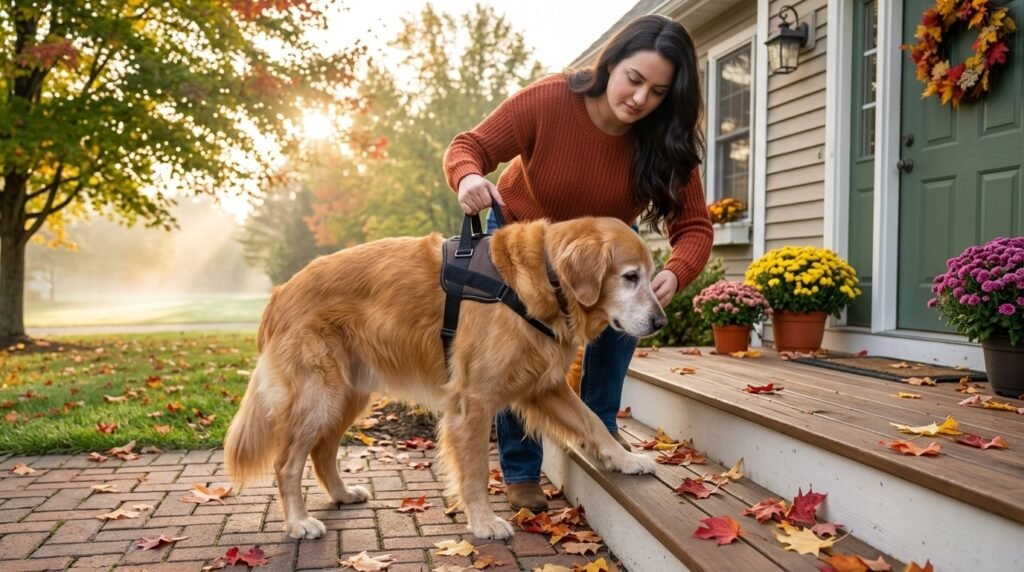
Never give ibuprofen, naproxen, acetaminophen, aspirin, or another human pain medicine unless your veterinarian has specifically directed you to do so. Some human medications can cause gastrointestinal bleeding, kidney damage, liver injury, or other serious complications in dogs.
3. Exercise Should Change Gradually
Cooler weather may give a senior dog more energy, especially after a hot summer limited outdoor activity. That improvement is encouraging, but suddenly doubling the distance of daily walks can strain deconditioned muscles and painful joints.
A safer senior dog fall care routine increases activity gradually. Start by adding a few minutes to one walk and observe your dog during the activity and later that day.
Your dog’s behavior the following morning is especially informative. A walk that seemed comfortable at the time may have been excessive if your dog is stiff, tired, restless, or reluctant to move afterward.
A balanced fall routine may include:
- Two or three shorter walks instead of one long outing
- Several minutes of gentle movement before faster walking
- Flat, stable routes
- Frequent sniffing breaks
- Indoor food puzzles
- Short training sessions
- Controlled exploration in a safe yard
- Veterinary-approved rehabilitation exercises
Sniffing provides mental engagement without requiring intense physical exertion. Letting an older dog investigate a route at a comfortable pace can be more appropriate than trying to maintain a fixed distance or speed.
Avoid “weekend warrior” exercise. A senior dog accustomed to brief weekday walks may not be physically prepared for a long Saturday hike. Increase duration slowly and stop if you notice limping, repeated sitting, heavy panting, toe dragging, weakness, or difficulty maintaining balance.
4. Shorter Days Can Affect Sleep and Behavior
Fall brings progressively shorter daylight hours. Walking, feeding, work, and household routines may also shift as families return to school or spend more time indoors.
Many dogs adjust without difficulty. Some senior dogs, particularly those with declining vision, hearing loss, anxiety, or canine cognitive dysfunction, may become unsettled when familiar environmental cues change.
Possible signs include:
- Waking earlier or later
- Evening restlessness
- Pacing after dark
- Increased clinginess
- Confusion in dim rooms
- Indoor accidents
- Barking without an obvious trigger
- Sleeping more during the day
- Difficulty settling at night
Maintain predictable meal, medication, bathroom, and bedtime schedules whenever possible. Turn lights on before rooms become completely dark, and use night-lights along routes to water bowls, beds, and outdoor doors.
A supportive bed in a quiet area can also improve rest. Observe whether your dog curls tightly for warmth, repeatedly changes position, or avoids a previously favored bed. Our guide to common dog sleeping positions can help you recognize patterns, although posture alone cannot diagnose discomfort.
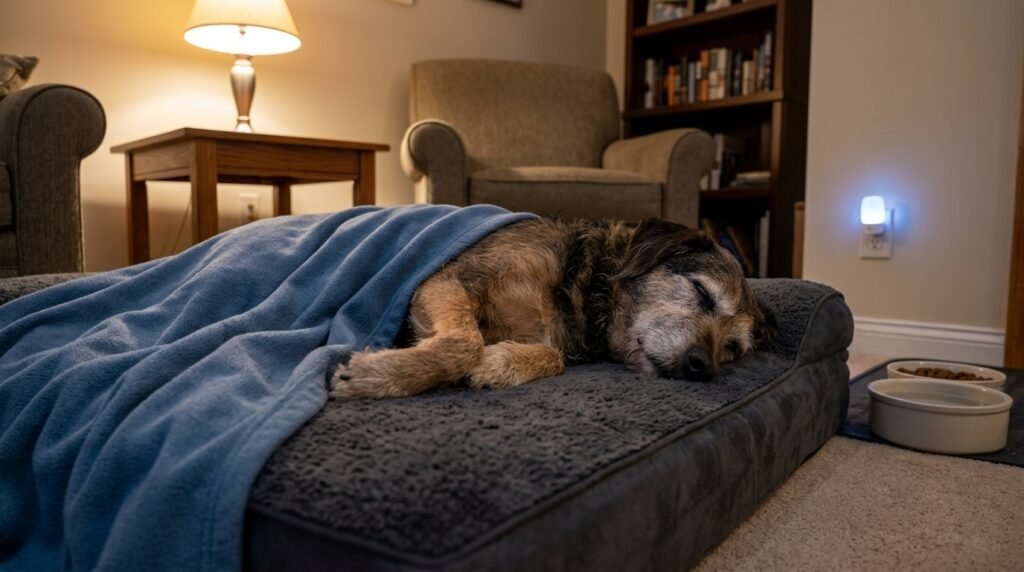
New confusion, nighttime pacing, staring at walls, getting trapped behind furniture, or a reversed sleep-wake cycle should be discussed with a veterinarian. These behaviors may have medical, sensory, pain-related, or cognitive causes and should not automatically be considered normal aging.
5. Hydration Still Requires Attention
Owners naturally monitor water intake during summer but sometimes relax once temperatures fall. Senior dogs still need consistent access to fresh water, and certain health conditions or medications can alter thirst and urination regardless of the season.
Place water where your dog can reach it without using slippery stairs or walking a long distance. In multi-level homes, provide a bowl on every floor the dog regularly uses.
You can also:
- Wash water bowls daily
- Refill them with fresh water regularly
- Use a wide, stable bowl
- Place a non-slip mat underneath
- Add water to food if your veterinarian approves
- Measure intake when thirst appears to change
Do not intentionally restrict water to reduce nighttime bathroom trips. Increased urination or accidents may reflect diabetes, kidney disease, urinary disease, medication effects, cognitive decline, or reduced mobility.
Contact your veterinarian if your dog begins drinking much more or less than usual, produces unusually large amounts of urine, strains to urinate, has blood in the urine, vomits repeatedly, or cannot keep water down.
6. Appetite and Weight Can Shift With Activity
Changing activity levels can affect energy requirements. A dog who exercised less during the hottest months may gain weight if portions remained unchanged. Another senior dog may lose muscle or weight because of pain, dental disease, digestive problems, kidney disease, or another medical condition.
There is no single diet that is best for every senior dog. Age alone does not determine the correct calorie level, protein content, or supplement plan. Body condition, muscle condition, medical history, laboratory results, and activity all matter.
As part of senior dog fall care, check your dog’s weight and body condition every two to four weeks. You should generally be able to feel the ribs beneath a light covering of tissue without pressing firmly, while the waist should remain visible from above. Your veterinarian can show you how to assess body and muscle condition more accurately.
Helpful feeding practices include:
- Measuring meals instead of estimating portions
- Recording appetite changes
- Limiting high-calorie treats
- Using part of the daily food allowance for enrichment
- Making dietary changes gradually
- Keeping feeding times consistent
- Asking your veterinarian before adding supplements
Do not start joint supplements, high-dose fish oil, herbal products, or vitamins simply because fall is approaching. Supplements may interact with medications, worsen certain conditions, add unwanted calories, or provide inappropriate nutrient levels.
Schedule an examination if your senior dog loses weight unintentionally, refuses food, has trouble chewing, drops food, develops persistent diarrhea, vomits repeatedly, or shows a major change in thirst.
7. The Home May Need a Fall Safety Update
Wet leaves, mud, early darkness, smooth floors, and drafty sleeping areas can create problems for dogs with reduced mobility or vision.
Walk through your home from your senior dog’s perspective. Consider whether the dog must cross a slippery surface to reach food, water, or the yard. Check whether furniture has been moved or whether seasonal decorations obstruct familiar pathways.
Useful changes include:
- Placing non-slip runners on smooth floors
- Using stable ramps where appropriate
- Adding night-lights near stairs and doorways
- Moving beds away from cold drafts
- Keeping nails and paw hair properly trimmed
- Blocking unsafe staircases
- Drying wet paws near entrances
- Using a supportive bed that is easy to enter
- Keeping essential resources on one accessible level
The American Animal Hospital Association’s cold-weather guidance for senior pets recommends a comfortable, insulated bed in a warm, draft-free area. Heated beds may help some dogs, but they should be pet-safe and used according to manufacturer instructions. Dogs must be able to move away from the heat.
Do not use a heating pad intended for people without veterinary guidance. These products can become too hot, particularly for dogs with reduced sensation or limited mobility.
8. Skin, Coat, Paws, and Parasite Protection Still Matter
Late summer and early fall can bring allergens, grass seeds, burrs, wet vegetation, mud, and fluctuating humidity. Fleas and ticks may also remain active well beyond summer, depending on the region and local weather.
Continue veterinarian-recommended parasite prevention rather than stopping it based only on the season. The appropriate product and schedule depend on your dog’s health, lifestyle, location, and parasite exposure.
After outdoor activity, inspect:
- Paw pads and spaces between the toes
- Nails
- Ears
- Armpits and groin
- Skin beneath the collar or harness
- Areas where burrs or ticks can hide
Senior skin can be more fragile, so use gentle grooming techniques. Do not scrub away dry or flaky skin aggressively. Persistent itching, odor, redness, hair loss, sores, or greasy skin deserves veterinary evaluation.
Be cautious with seasonal yard products as well. Fertilizers, pesticides, rodent-control products, mushrooms, and decomposing plant material can pose risks. Keep dogs away from treated areas according to label directions, and contact a veterinarian or animal poison-control service after a suspected ingestion.
9. Seasonal Changes Can Reveal Hidden Health Problems
Perhaps the most valuable part of senior dog fall care is learning what should not be blamed on the weather.
A slightly slower pace may appear during cooler mornings, but a major or lasting decline deserves attention. Aging increases the likelihood of arthritis, dental disease, heart disease, kidney disease, cancer, endocrine disorders, sensory loss, and cognitive dysfunction.
The AAHA Senior Care Guidelines emphasize individualized assessment and diagnostic testing for aging pets. Your veterinarian may recommend examinations or laboratory monitoring more frequently than for a healthy young adult dog.
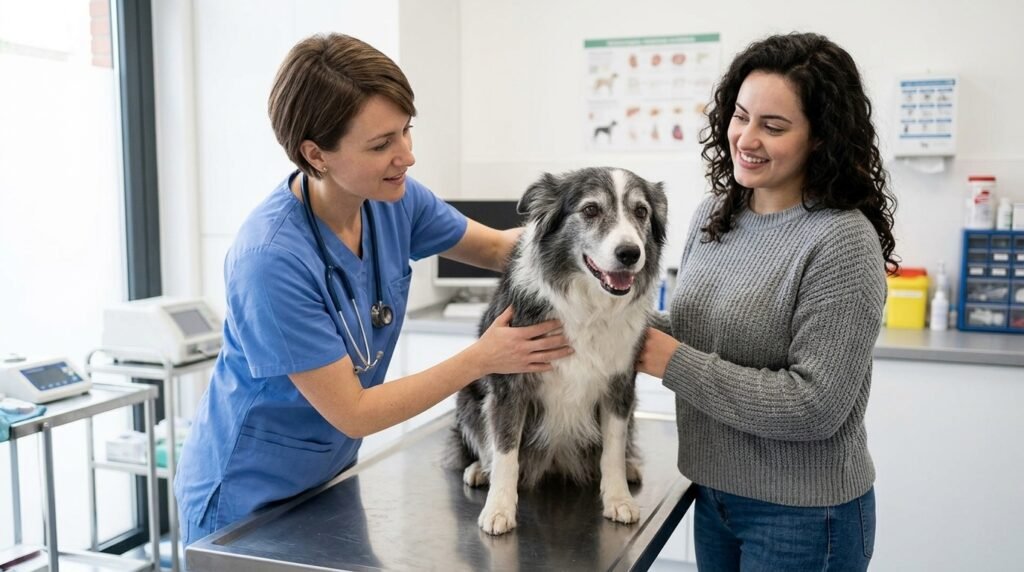
Arrange a veterinary appointment if you notice:
- Persistent or worsening limping
- Difficulty standing
- Repeated falls
- New coughing
- Labored breathing
- Unexplained weight loss
- Major thirst or urination changes
- New lumps
- Appetite loss
- Ongoing vomiting or diarrhea
- Sudden behavior changes
- Disorientation
- Nighttime restlessness
- Loss of previously learned habits
- Signs of pain when touched
Seek urgent veterinary care for collapse, severe breathing difficulty, blue or very pale gums, repeated unproductive retching, a swollen abdomen, inability to urinate, seizures, uncontrolled bleeding, sudden paralysis, or extreme weakness.
A Practical Senior Dog Fall Care Checklist
Use this checklist during the final weeks of summer:
- Review the exercise routine. Increase walking time gradually rather than making sudden changes.
- Record mobility. Note stiffness, hesitation, slipping, limping, and recovery after exercise.
- Check the sleeping area. Provide a supportive bed away from damp or drafty locations.
- Improve traction. Add rugs or non-slip mats to frequently used routes.
- Prepare for darkness. Use outdoor lighting, reflective equipment, and indoor night-lights.
- Continue hydration monitoring. Keep fresh water in easily accessible locations.
- Check weight and appetite. Report unexplained changes rather than assuming they are age-related.
- Continue parasite prevention. Follow your veterinarian’s local recommendations.
- Inspect paws and skin. Look for irritation, ticks, burrs, cracks, or wounds.
- Review medications. Make sure refills, dosing instructions, and monitoring appointments are current.
- Schedule a senior examination if due. Bring your notes, videos, and list of observed changes.
- Keep routines predictable. Make feeding, bathroom breaks, medication, and bedtime consistent.
The best plan is individualized. A healthy 8-year-old large-breed dog and a 15-year-old small dog with heart disease may need very different fall routines.
Frequently Asked Questions
Do senior dogs become stiffer when fall arrives?
Some owners notice more stiffness as temperatures and activity patterns change. However, persistent stiffness, limping, reluctance to rise, or difficulty using stairs may indicate pain or joint disease. Schedule a veterinary evaluation rather than treating the change as an unavoidable part of aging.
Should I walk my senior dog more when summer ends?
You may gradually increase activity if cooler weather makes walking more comfortable. Add time slowly, choose stable terrain, and monitor how your dog feels later that day and the following morning. Stop and seek veterinary advice if exercise causes limping, weakness, or prolonged discomfort.
Does a senior dog need a coat during fall?
Some older dogs benefit from a well-fitting coat, especially dogs with thin coats, low body fat, reduced mobility, or certain medical conditions. A coat should not restrict movement, rub the skin, or become wet and cold. Ask your veterinarian if you are unsure about your dog’s temperature tolerance.
When should a senior dog have a fall wellness examination?
Schedule an appointment when your dog is due according to the monitoring plan established by your veterinarian or whenever you notice new physical or behavioral changes. Do not wait for a routine appointment if your dog has pain, breathing difficulty, appetite loss, sudden confusion, weakness, or another concerning symptom.
Conclusion
Successful senior dog fall care is built around gradual change and careful observation. Continue warm-weather precautions during unexpected hot days, increase exercise slowly, improve household traction, maintain hydration, and pay attention to sleep, appetite, mobility, and behavior.
Most importantly, do not assume that every new change is caused by fall or normal aging. Early veterinary evaluation can identify pain and illness before they substantially reduce your dog’s comfort or quality of life.