A dog eating too fast may empty a bowl before you have finished putting the food bag away. For many dogs, a quieter feeding space and a simple change in how food is served can make meals last longer. But if your dog repeatedly brings food back up, seems unusually hungry, or shows signs of distress, changing the bowl alone is not enough.
Start by observing what happens during and after a meal. Does your dog calmly gulp food, or do they tense up when another pet approaches? Is the food staying down? The answers will help you choose a safe approach. This guide covers seven practical ways to slow meals, how to introduce them without frustration, and when to seek veterinary care.
Table of Contents
Why Is Your Dog Eating Too Fast?
Dogs may rush through food for different reasons. Some have learned to finish quickly because other pets are nearby. Others are excited by a highly appealing meal, accustomed to receiving one large portion, or simply practiced at scooping up easy-to-reach kibble. A fast meal by itself does not tell you which explanation applies.
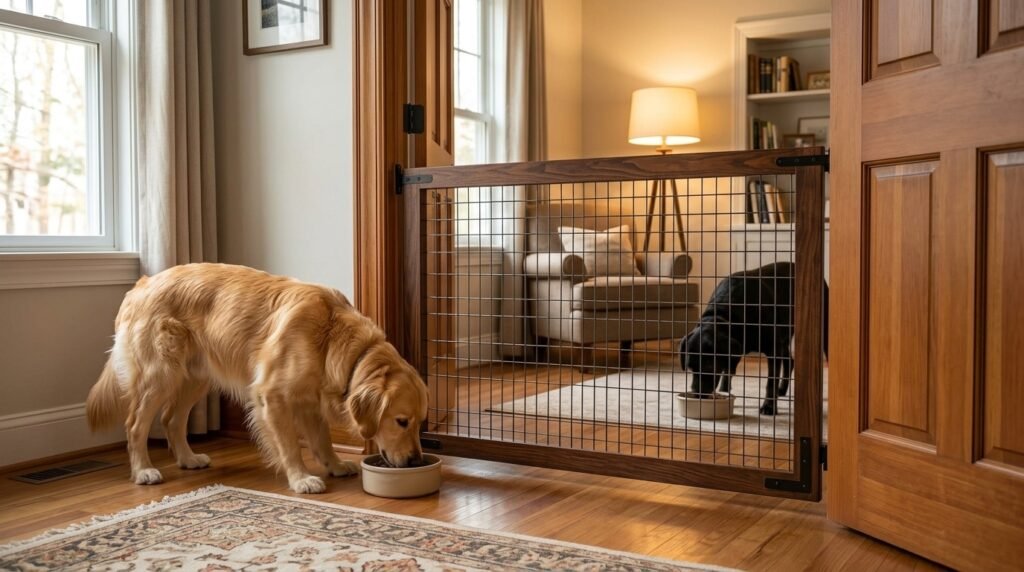
Look at the setting first. A dog that eats at a normal pace when alone but speeds up beside another dog may feel competition around food. Even pets that usually get along can find shared mealtimes stressful. Feeding them in separate rooms, behind a closed door or secure barrier, gives each dog space to finish without being watched or approached.
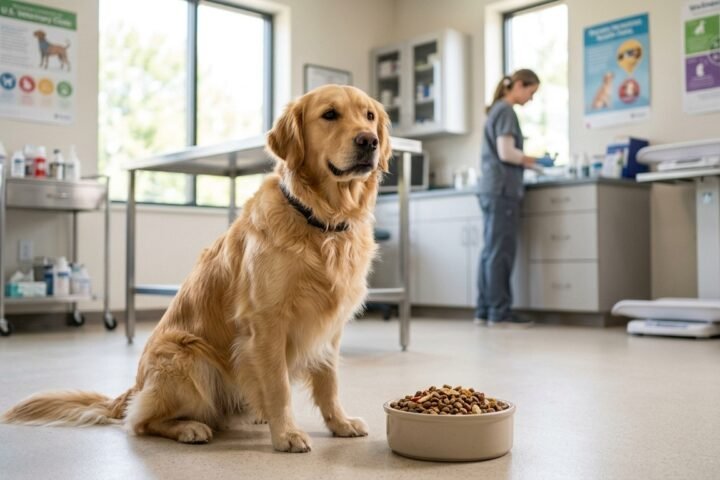
Also consider whether the amount and timing of food suit your dog. A dog receiving an appropriate daily ration can still seem eager at every meal. Conversely, persistent hunger deserves a conversation with your veterinarian, particularly if it is new or accompanied by weight change. Veterinary guidance on portion-controlled feeding describes dividing a daily food allowance into smaller meals and using interactive feeders to lengthen mealtimes.
Notice your dog’s body language near the bowl. Stiffening, hovering over food, growling, or eating faster when someone comes close may point to concern about losing it. PawMindTips’ guide to dog resource guarding explains those signs and safer ways to manage them. Give a tense dog room to eat; do not repeatedly reach into or remove the bowl to test their reaction.
Sudden changes deserve attention, too. If a dog that used to eat comfortably begins swallowing frantically, seems unable to settle, or acts hungry despite eating their usual amount, arrange a veterinary assessment. The goal is to understand the change, not to label the behavior at home.
Is Eating Too Fast Dangerous for Dogs?
Finishing quickly does not mean a dog has a medical emergency. It can, however, make it easier to gulp a meal and may be associated with food coming back up. VCA Animal Hospitals notes that speed eating can sometimes lead to regurgitation and recommends interactive feeders as one way to prolong meals.
Pay attention to what happens after eating, rather than judging risk by the number of seconds on a clock. A dog that stays comfortable and keeps food down presents a different situation from one that repeatedly brings up undigested food, coughs after meals, or loses weight. Recurrent regurgitation can have causes unrelated to eating speed and needs veterinary evaluation. The Merck Veterinary Manual’s guide to esophageal disorders describes regurgitation, swallowing problems, weight loss, and respiratory signs that may occur with esophageal disease.
Owners of large, deep-chested dogs may also be concerned about bloat, or gastric dilatation-volvulus (GDV). Rapid eating is one factor associated with GDV, alongside several others; it is not proof that a dog will develop it. A slow-feeder bowl cannot guarantee prevention. Merck describes GDV as a life-threatening emergency and identifies repeated unsuccessful retching, drooling, restlessness, and abdominal enlargement among possible signs.
If your dog repeatedly tries to vomit but produces little or nothing, develops a swollen or painful belly, becomes weak, or collapses, go to an emergency veterinarian immediately. Do not wait to see whether a feeding change helps.
7 Safe Ways to Slow Down a Dog Eating Too Fast
You do not need seven gadgets. Pick one method that fits your dog’s food, size, mobility, and behavior. Watch the first few meals and change course if the dog becomes distressed or tries to break the feeder.
1. Try an appropriately sized slow-feeder bowl
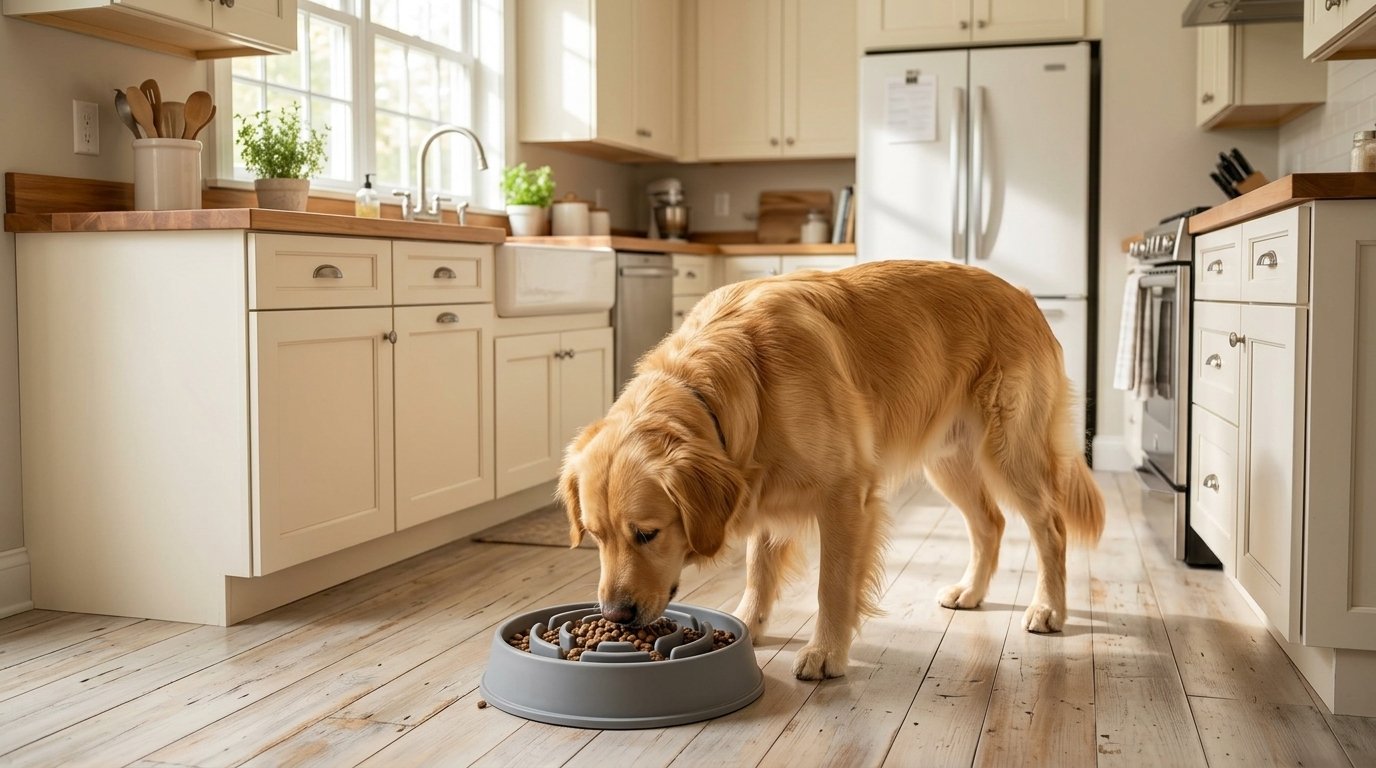
A slow feeder uses raised sections to divide food into smaller pockets. Choose a bowl your dog can comfortably reach into without scraping their face or struggling to access the last pieces. Its capacity must hold the measured meal without food spilling over the ridges.
Begin with an easy design. A complicated maze can frustrate a dog that has only ever used an open bowl. Put a small portion in the new feeder first, let your dog explore it, and increase to the full meal once they seem comfortable. Supervise early use, especially if your dog chews household items.
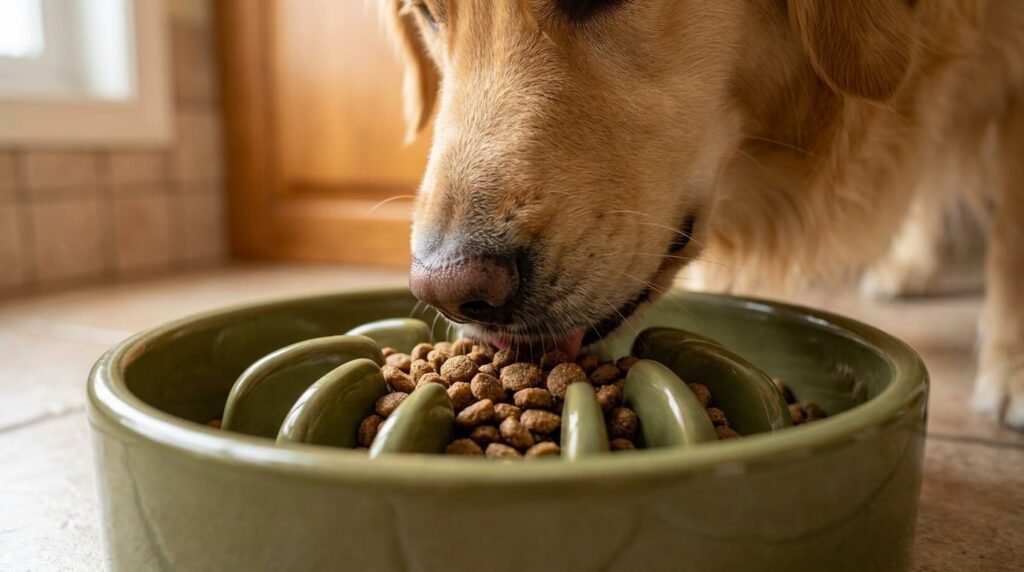
Inspect the bowl regularly for cracks or damaged pieces and wash it according to its instructions. A feeder that is difficult to clean is unlikely to be a good everyday choice, especially for moist food.
2. Spread a measured meal across a wide surface
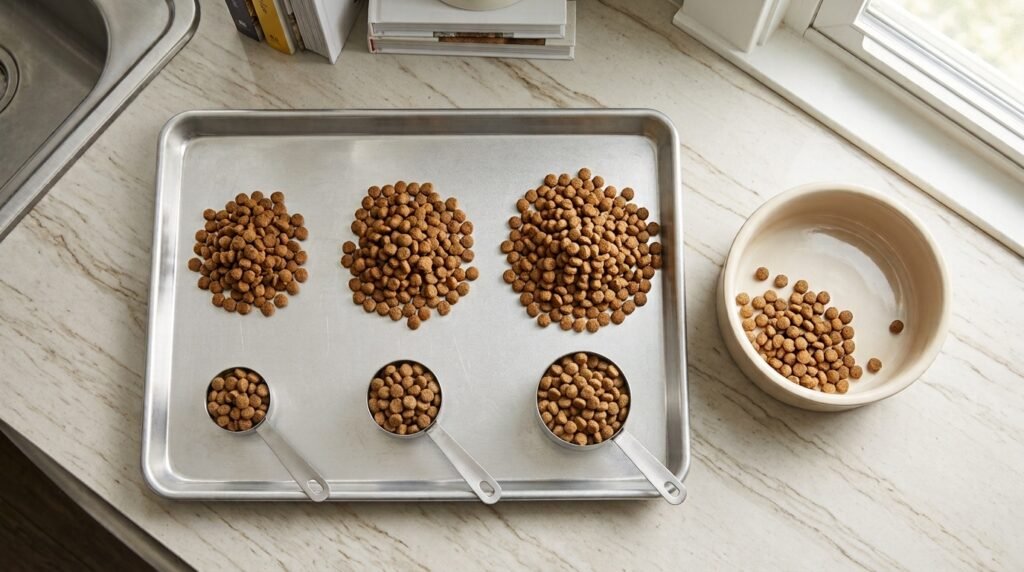
For dry food, a clean baking sheet can turn one deep pile into many small mouthfuls. A muffin tin offers several separate spaces for kibble or small amounts of suitable wet food. These are inexpensive ways to test whether changing food access helps before buying a feeder.
Place the tray on a stable, clean surface. Watch your dog so they do not chew or carry off the tray. This method may be particularly useful for a dog that finds a maze bowl frustrating but still needs food spread out.
Keep all the food within the planned meal. A larger surface should make dinner take longer, not make dinner larger. VCA includes a cookie sheet and muffin pan among its practical ways to slow a fast eater.
3. Divide the daily allowance into smaller meals
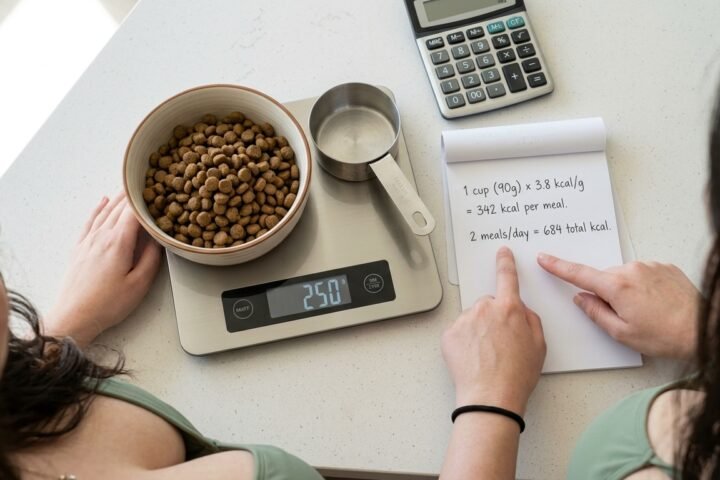
If your schedule allows, split the same daily amount into more than one meal. This reduces the size of each serving and gives your dog more feeding opportunities. Measure the full day’s food first, then divide it; otherwise, it is easy to add an extra portion by accident.
For example, a dog normally fed twice a day might have the same total daily ration divided among three smaller meals. The right schedule depends on age, health, prescribed diet, and your veterinarian’s advice. Puppies and dogs with medical conditions may have particular feeding requirements.
Predictable meals can also reduce household commotion. If feeding time currently involves racing between dogs, prepare each portion in advance and set up separate spaces before bringing the bowls out. A steady schedule fits into the wider healthy dog routine without needing every meal to occur at precisely the same minute.
4. Use a food puzzle suited to your dog
A food-dispensing toy releases part of a meal as the dog nudges or rolls it. It can slow access to kibble while giving the dog something to investigate. Start with a toy that releases food easily; once your dog understands it, adjust the difficulty only if they remain relaxed and engaged.
Check that the toy is large enough for your dog, has no accessible loose parts, and is made for the food you intend to use. Supervise use and remove it if your dog starts tearing it apart. Wash it as directed, especially when using moist food.
A puzzle is optional. A dog with limited mobility, vision changes, dental discomfort, or a history of destroying toys may do better with a wide tray or a simple bowl. VCA’s guidance on interactive feeders includes food toys as a way to extend mealtimes, while cautioning that some dogs may damage a feeder when frustrated.
5. Turn part of dinner into a calm search game
Set aside a measured portion of your dog’s meal and place small amounts in several easy-to-find spots. Begin in one clean room, with your dog watching you place the food. As they learn the game, you can make the search slightly more interesting without hiding food where it might be forgotten.
Keep other pets out of the search area. Avoid spots near cleaning products, small objects, unsafe plants, or anything your dog might chew while hunting for food. Use food your dog can eat from that surface safely, and clean the area afterward.
If your dog becomes frantic or guards the search area, stop and return to a simpler method. A search game should give them time to sniff and eat, not create a race with another dog.
6. Use some of the meal for brief training
Take a portion of your dog’s normal food from the daily allowance and offer pieces during a few easy, reward-based exercises. You might practice a familiar cue, reward a calm sit while the meal is prepared, or reinforce coming when called across the room.
Keep the session short and pleasant. Do not make a hungry dog perform a long sequence before allowing access to dinner. If your dog does not find regular food rewarding enough for training, use a different slowing method rather than adding large amounts of treats without accounting for them.
Hand-feeding is also a poor choice for a dog that becomes tense around hands near food. Give that dog space and address the underlying concern first. The aim is a calmer meal, not closer human contact at any cost.
7. Make mealtimes private and predictable
For a dog eating too fast around another pet, changing the room may help more than changing the bowl. Feed dogs separately, close the door or use an appropriate barrier, and allow each one to finish before clearing the feeding area. Prevent a faster dog from approaching the slower dog’s remaining food.
Ask family members to leave dogs alone while they eat. Children should not handle a dog’s bowl or approach a dog that is eating. If your dog freezes, growls, or snaps around food, follow safe management advice and seek qualified professional help rather than trying to correct the behavior by taking food away.
For dogs without guarding concerns, a quiet corner away from busy foot traffic may be enough. Try the environmental change for several meals before deciding whether you also need a special feeder. This makes it easier to see which adjustment actually helps.
How to Choose a Feeding Method That Fits Your Dog
The best tool is one your dog can use comfortably and safely. “Slower” is helpful only if the dog can still eat their full, appropriate meal without pain, panic, or excessive effort.
| Your dog’s situation | Sensible first option | What to watch |
|---|---|---|
| Gulps kibble but stays relaxed | Simple slow-feeder bowl or baking sheet | Frustration, chewing the feeder |
| Eats faster near another dog | Separate feeding spaces | Tension when another pet approaches |
| Enjoys exploring and moving toys | Easy food-dispensing puzzle | Damage to the toy or swallowed parts |
| Has limited mobility or finds puzzles difficult | Stable, wide tray or suitable bowl | Comfort reaching all the food |
| Repeatedly brings food back up | Veterinary assessment | Do not assume speed is the only cause |
Match the feeder to the food texture, too. Kibble may work in a dispensing toy, whereas wet food may be easier to serve in a washable bowl or small portions across a muffin tin. Follow the product’s cleaning and use instructions. If you are reconsidering food format for other reasons, PawMindTips’ wet versus dry dog food guide may help you find its current nutrition coverage; verify the specific article permalink in WordPress before linking it from the published post.
Measure the food before loading a puzzle, tray, or bowl. Food delivered through training and enrichment still counts toward the day’s intake. Do not add toppers merely to make a feeding device work unless they fit your dog’s diet and calorie plan.
Avoid using small loose objects as obstacles in a food bowl. An object your dog might mouth or swallow introduces an unnecessary hazard when purpose-made feeders and simple trays are available. Likewise, if your dog tries to flip, bite, or dismantle a feeder, remove it and choose an easier setup.
There is no universal “correct” number of minutes a dog must spend eating. Compare your dog with their own usual pattern: are they accessing food in smaller amounts, staying relaxed, finishing the measured portion, and remaining comfortable afterward? Those observations are more useful than trying to reach a target time.
What About Puppies, Senior Dogs, and Dogs With Health Conditions?
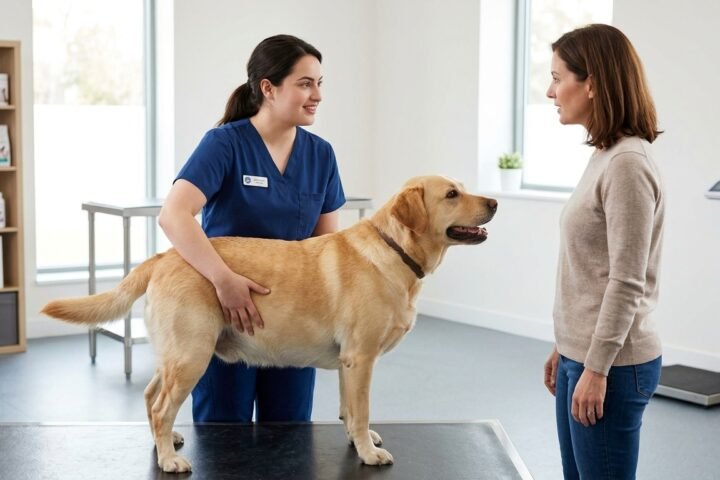
A puppy may need an age-appropriate meal schedule and enough food for growth. Do not reduce the daily amount simply to make each feeding slower. An easy feeder or a portion spread over a tray can be a starting point, but ask your veterinarian about the right meal frequency and ration for your puppy.
Senior dogs may have dental pain, arthritis, or reduced vision that makes a deep or intricate feeder hard to use. A stable dish with accessible food can be kinder than a maze. If an older dog suddenly changes eating behavior, has trouble picking up food, drops it, or loses weight, arrange a veterinary examination.
Dogs on prescription diets need the prescribed food and feeding plan. Some dogs have swallowing or esophageal problems for which a veterinarian recommends a specific food texture, position, or schedule. General slow-feeding tips cannot replace that individualized guidance. In particular, do not change bowl height to manage regurgitation without veterinary advice: conditions involving the esophagus can require specialized feeding instructions.
For a large, deep-chested dog, ask your veterinarian about their individual GDV risk and feeding plan. The Merck Veterinary Manual discusses factors associated with GDV and measures veterinarians may recommend for dogs at higher risk. A feeding accessory is only one part of a broader conversation.
A Simple Plan for Calmer Mealtimes
Change one thing at a time. That way, you can tell whether the new setup helps your dog or makes eating harder.
For the first few meals, observe. Measure the usual ration and note approximately how quickly your dog finishes. Watch for rushing when other pets or people move close. Record any coughing, gagging, food coming back up, belly discomfort, or changes in appetite.
Next, remove competition. If more than one pet eats nearby, give each a private feeding space. Keep the normal food and amount while you see whether the calmer setting changes your dog’s pace.
Then, try the simplest suitable tool. Spread kibble on a clean baking sheet or introduce an easy slow-feeder bowl. Offer a small portion first if the tool is unfamiliar. Stay nearby to observe without hovering over your dog or reaching toward the food.
Review what happened. Did the dog eat comfortably and finish the meal? Did they try to chew the device or become tense? Was there any regurgitation? Keep a method that helps and simplify or stop one that causes frustration. If symptoms continue, contact your veterinarian instead of cycling through increasingly difficult puzzles.
Once you find a comfortable setup, make it part of your routine. Wash feeding equipment, inspect it for damage, and recheck portions when your dog’s diet or activity changes. A useful habit should be easy enough for the household to follow consistently.
When Should You Call a Veterinarian?
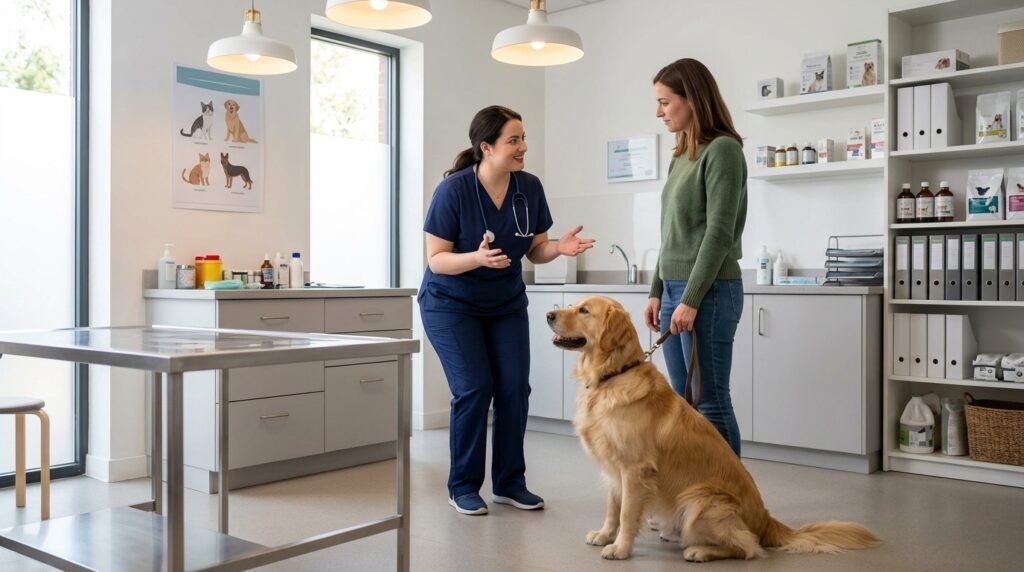
Arrange a veterinary appointment if your dog’s fast eating is new, their appetite has changed markedly, they seem constantly hungry, they lose weight, or they repeatedly bring food back up. Also call if they cough after meals, have difficulty swallowing, or continue to vomit or regurgitate despite a calmer feeding setup. These signs need an assessment of the dog, not just a recommendation for another bowl.
Seek emergency veterinary care immediately for repeated attempts to vomit with little or nothing produced, a swollen or painful abdomen, severe restlessness followed by weakness, pale gums, breathing trouble, or collapse. These may be signs of GDV or another urgent condition. Call the emergency clinic while you are on your way if possible. Do not delay travel to try a home remedy.
If a dog growls, snaps, or guards the bowl, keep people and other pets safely away during meals and seek help from a qualified professional. A slow feeder may change the pace of eating, but it does not resolve fear about losing food.
Frequently Asked Questions
Can a slow-feeder bowl stop my dog from eating too fast?
It can help some dogs take smaller mouthfuls, especially when the bowl is easy to use and sized correctly. Introduce it gradually and supervise early meals. If your dog becomes frustrated or still brings food back up, ask your veterinarian for guidance.
Should I add water to kibble to slow my dog down?
Adding water does not reliably solve fast eating. If you want to change your dog’s food texture, check that the approach suits their diet and any medical needs. Measure the food as usual and clean the bowl promptly after serving moistened food.
Is it better to feed a fast eater several small meals?
It can be a useful option if you divide the same appropriate daily allowance into smaller portions. Your dog’s age and health affect the right schedule, so seek veterinary advice for a puppy or a dog with a medical condition.
Why does my dog bring up whole food after eating?
Food returning soon after a meal may be regurgitation, but an owner cannot determine the cause from appearance alone. If it happens repeatedly, or your dog also coughs, loses weight, or struggles to swallow, arrange veterinary care rather than assuming eating speed is the explanation.
Conclusion
For a dog eating too fast, begin with a measured meal in a calm, private space. Try one accessible method, such as a simple slow feeder, a wide tray, or smaller meals from the same daily ration, and watch whether your dog eats comfortably. Repeated regurgitation or a sudden change in appetite warrants a vet call; retching with a swollen belly or weakness requires emergency care.