Protein deficiency in dogs can affect muscle condition, growth, skin, coat quality, and the body’s ability to maintain and repair tissues. However, signs that look like protein deficiency do not prove that a dog is eating too little protein. Similar changes can occur with other nutritional problems, digestive disorders, parasites, and chronic illness.
If you are concerned about your dog’s nutrition, the safest approach is to review the complete diet, monitor changes in weight and muscle condition, and arrange a veterinary examination when symptoms appear. Adding extra meat or switching to a high-protein food without understanding the cause may not solve the problem.
This guide explains seven possible signs of protein deficiency in dogs, why they happen, how veterinarians investigate them, and what you can do to support your dog’s nutrition safely.
Table of Contents
What Does Protein Do for Dogs?
Protein supplies amino acids, which the body uses to build and maintain muscles, skin, hair, connective tissues, enzymes, and many other essential components. Dogs need certain amino acids from their food because their bodies cannot produce enough of them independently.
Protein also contributes to normal growth, tissue repair, immune function, and other everyday biological processes. The amount a dog needs depends on factors such as age, activity, health, life stage, and the quality and digestibility of the food. The Merck Veterinary Manual’s nutritional requirements guide explains these differences.
A dog does not simply need the largest possible amount of protein. The entire diet must provide appropriate amounts of protein, energy, essential fats, vitamins, minerals, and water.
For most healthy pets, a complete and balanced commercial food formulated for the correct life stage is a practical starting point. Dogs eating homemade meals need a recipe that has been properly formulated to meet their nutritional requirements.
7 Possible Signs of Protein Deficiency in Dogs
The following signs can occur when a dog’s diet does not provide adequate protein or essential amino acids. They are not specific to protein deficiency, so use them as reasons to investigate rather than as a home diagnosis.
1. Loss of Muscle Mass
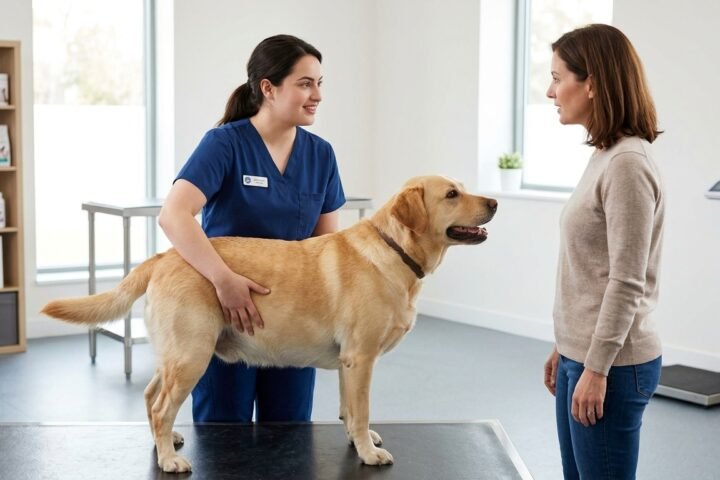
One possible sign is a gradual reduction in muscle condition. Your dog may look thinner around the shoulders, back, hips, or thighs, even when the change in body weight seems small.
Muscle loss can occur when the body does not receive enough nutrients or energy to maintain its tissues. However, it can also accompany aging, reduced activity, prolonged illness, digestive problems, and other medical conditions.
Look for changes such as:
- Less visible muscle around the hind legs or shoulders.
- A more pronounced spine or hip bones.
- Reduced strength or stamina compared with your dog’s normal ability.
- Weight loss accompanied by a change in body shape.
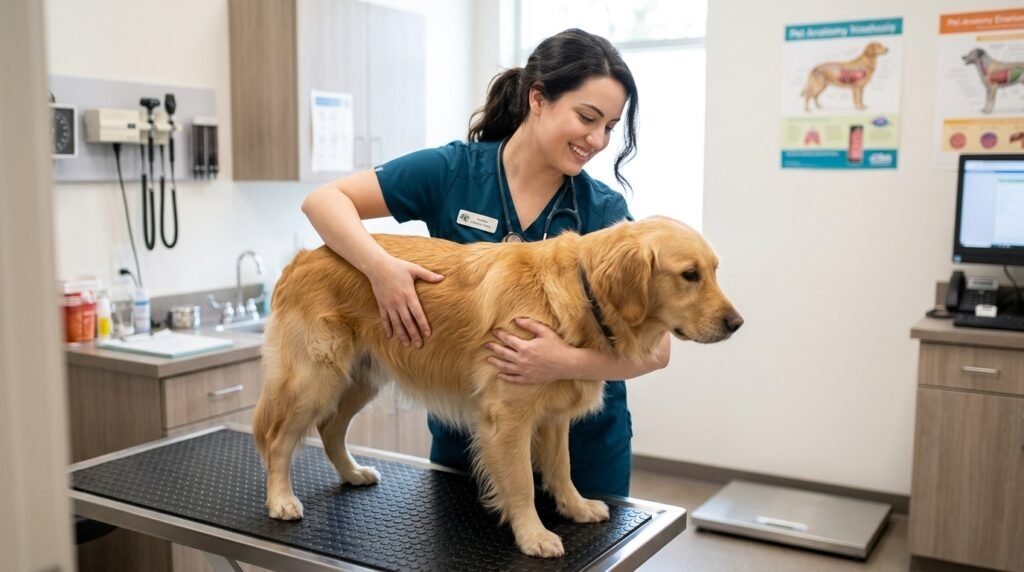
Do not assume that a dog with prominent bones needs more protein alone. A veterinarian can assess body condition and muscle condition separately and determine whether inadequate intake, disease, or another factor is responsible.
2. Unexplained Weight Loss
A dog that eats too little overall may lose weight because it is not receiving enough calories and nutrients. If the diet is inadequate or poorly balanced, protein intake may also fall short.
However, weight loss is not a reliable standalone indicator of protein deficiency. Dental pain, poor appetite, intestinal parasites, digestive disease, and several other conditions can cause a dog to lose weight.
Record your dog’s weight when possible and note whether the change is gradual or rapid. Also pay attention to appetite, stool quality, thirst, and activity.
If your dog is losing weight despite eating normally, or if the weight loss continues after you have checked its feeding routine, arrange a veterinary examination rather than simply increasing portions.
3. A Dull, Dry, or Unkempt Coat
Hair is made largely of protein, so poor nutritional intake can affect coat condition. A dog with an inadequate diet may develop a coat that looks dull, feels rough, or appears less healthy than usual.
Skin changes can also occur alongside other nutritional deficiencies. That is why coat condition must be considered in the context of the whole diet and the dog’s general health.
Other possible explanations include fleas, environmental allergies, skin infections, hormonal conditions, and other illnesses.
Watch for persistent itching, redness, scaling, bald patches, or recurring ear problems. These signs should not automatically be attributed to a lack of dietary protein. If food allergy is suspected, your veterinarian can advise whether a controlled elimination diet is appropriate.
4. Slow Wound Healing or Poor Tissue Recovery
Protein provides amino acids used in tissue maintenance and repair. Inadequate overall nutrition can make recovery more difficult, particularly when a dog is already ill or injured.
You might notice that a wound is not progressing as expected or that your dog is recovering slowly from a health problem. But infection, circulation problems, repeated injury, and other medical issues can also delay healing.
Never use a nutritional supplement as a substitute for appropriate wound care. A wound that is opening, becoming increasingly painful, producing discharge, or showing spreading redness needs veterinary attention.

If your dog is recovering from surgery or a serious illness, ask the veterinary team whether its current food provides suitable calories and nutrients for recovery.
5. Reduced Energy or Weakness
A dog that is not eating enough may become less active because it lacks sufficient energy. Inadequate nutrition can also contribute to loss of muscle condition over time.
Possible changes include less interest in usual activities, shorter walks, reduced play, or increased time spent resting.
These signs are broad and can have many causes, including pain, dehydration, anemia, infection, and heart or other organ disease. Sudden weakness should never be treated as a simple dietary issue.
If your dog is unusually tired, has difficulty standing, collapses, or struggles to breathe, seek urgent veterinary care. Do not wait to see whether adding protein improves the situation.
6. Poor Growth in Puppies
Growing puppies need adequate protein, energy, and a carefully balanced supply of other nutrients. A diet that fails to meet their requirements may interfere with normal growth and development.
Possible concerns include poor weight gain, reduced muscle development, or growth that appears slower than expected. These observations alone cannot identify which nutrient is lacking.
Puppies need food specifically formulated for growth, and large-breed puppies have additional considerations involving overall nutrient balance. Feeding extra meat or adding supplements without veterinary advice can unbalance the diet rather than correct it.
Monitor your puppy’s growth and body condition with your veterinarian. If your puppy is not gaining weight, has persistent diarrhea, or has a poor appetite, arrange an assessment promptly.
7. Recurrent Health Problems or Slow Recovery From Illness
Severe or prolonged nutritional inadequacy can affect the body’s ability to maintain normal tissues and respond to health challenges. A dog with an inadequate diet may struggle to maintain muscle or recover well.
Still, repeated infections or ongoing illness are not proof of protein deficiency. Underlying disease, parasites, medication effects, and other nutritional problems may be responsible.
If your dog repeatedly becomes unwell, fails to recover as expected, or experiences persistent digestive symptoms, a veterinarian may need to investigate beyond its food label.
The important question is not simply whether the food contains protein. It is whether your dog is consuming, digesting, and absorbing enough of a balanced diet for its individual needs.
Why Might a Dog Develop Protein Deficiency?
Several feeding and health issues can contribute to inadequate protein intake or low protein levels in the body.
An Unbalanced Homemade Diet
Meals made from a few familiar ingredients may seem nutritious but can lack essential amino acids or other important nutrients. Meat alone is not a complete and balanced diet for long-term feeding.
For example, a routine of chicken, rice, or ground meat without a properly formulated recipe may fail to supply the right proportions of calcium, vitamins, minerals, fats, and other nutrients.
Cornell University’s guide to reevaluating your dog’s diet recommends a complete and balanced commercial diet or a home-prepared diet formulated with qualified veterinary nutrition guidance.
Not Eating Enough Food
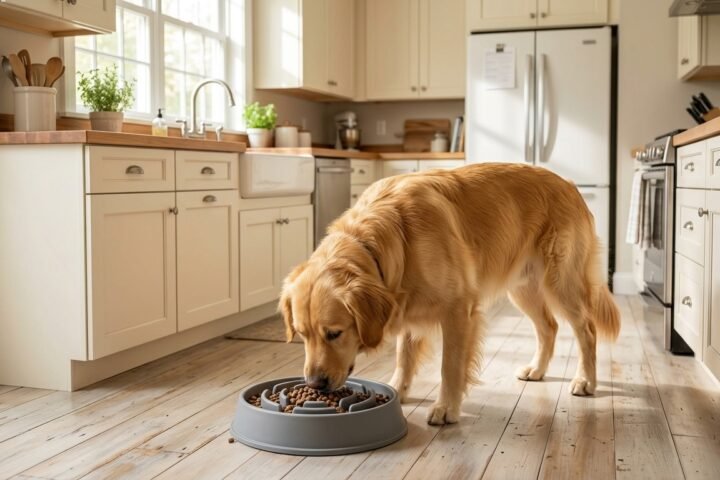
A dog that consistently eats too little may not receive enough protein, calories, or other nutrients. Causes can include poor appetite, difficulty chewing, nausea, stress, competition around the food bowl, or an unsuitable feeding routine.
Measure the food you offer and compare it with the product’s feeding guidance, while remembering that individual needs vary. Check whether treats and table scraps are replacing a meaningful part of the dog’s balanced meals.
If your dog suddenly refuses food or has a persistent reduction in appetite, investigate the cause instead of trying to disguise it with increasingly rich additions.
Inappropriate Food for the Dog’s Life Stage
Puppies, pregnant or nursing dogs, and healthy adult dogs have different nutritional requirements. A food formulated for one purpose may not be appropriate for another.
Choose a product whose nutritional adequacy statement matches your dog’s life stage. Your veterinarian can help assess whether the food and amount are appropriate for your dog’s age, size, activity, and health.
Digestive Disease or Poor Nutrient Absorption
Some illnesses interfere with the digestion or absorption of nutrients. A dog may be eating a diet that contains adequate protein but still struggle to maintain normal nutrition because of an underlying medical problem.
Persistent diarrhea, recurring vomiting, weight loss, or poor appetite warrants investigation. Simply adding more protein may not address the cause.
Protein Loss Through Disease
Protein-losing enteropathy (PLE) is a medical condition in which excessive protein is lost through the gastrointestinal tract. It is different from a dog simply not consuming enough protein.
Possible signs include chronic diarrhea, weight loss, lethargy, abdominal enlargement, and fluid accumulation. PLE can be serious and requires veterinary investigation. Read PetMD’s explanation of intestinal protein loss in dogs for more detail.
A dog with unexplained swelling, a rapidly enlarging abdomen, breathing difficulty, or collapse needs urgent veterinary assessment. Do not attempt to treat suspected protein loss by feeding extra meat.
Is Your Dog’s Protein Intake Actually Too Low?
Appearance alone cannot confirm protein deficiency. A dull coat, thin body, or low energy can result from many different problems.
Start by reviewing the following:
- Food type: Is the main diet labelled complete and balanced for your dog’s life stage?
- Daily amount: Is your dog eating the intended portion consistently?
- Body changes: Has your dog lost weight or muscle without an obvious explanation?
- Digestive health: Are vomiting, diarrhea, or appetite changes occurring?
- Dietary extras: Are treats, toppers, and table scraps displacing balanced food?
- Medical history: Does your dog have a condition or medication that could affect nutrition?
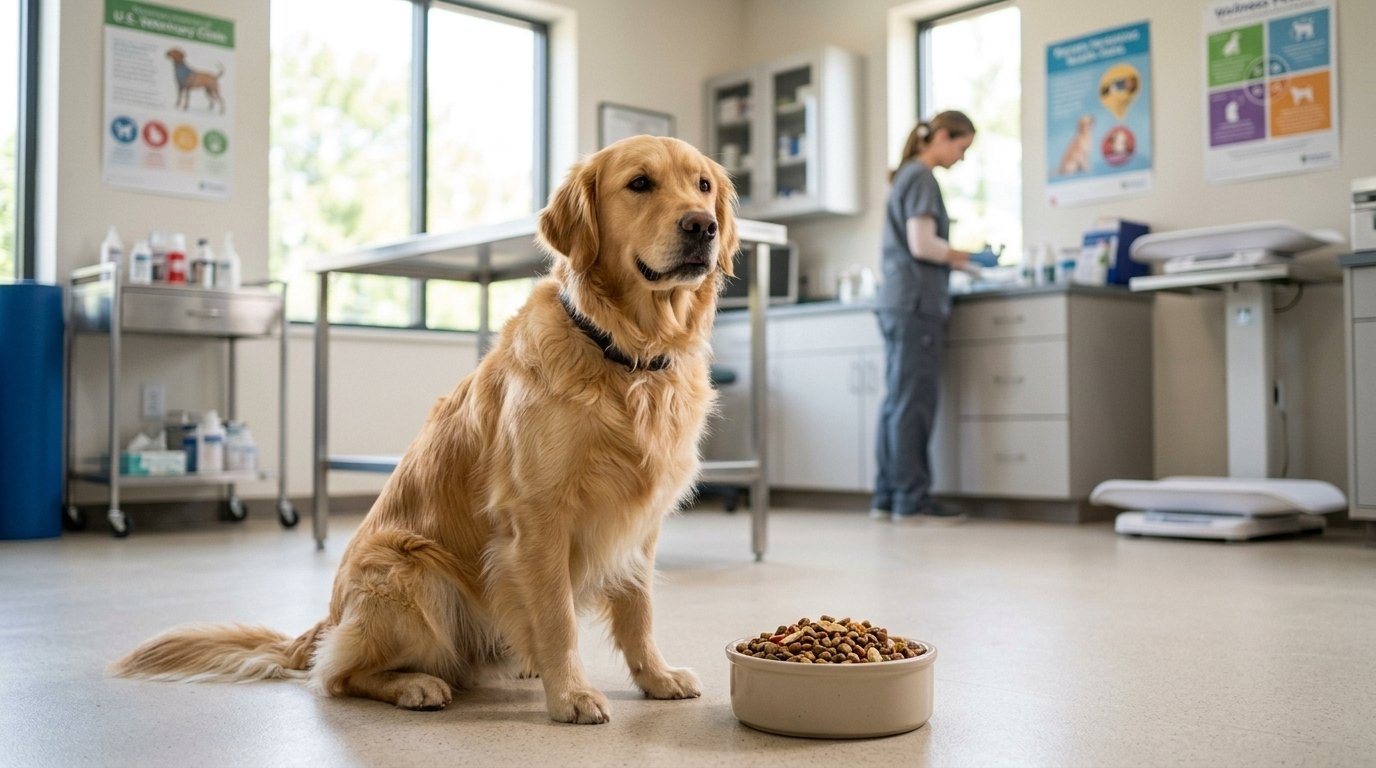
A veterinarian may review the food label, feeding history, body condition, muscle condition, and clinical signs. Depending on the findings, testing may include bloodwork, stool testing, urine testing, or imaging.
Blood protein measurements can help identify certain problems, but they must be interpreted in context. Low blood protein does not automatically mean the dog has been eating too little protein. A veterinarian needs to investigate possible causes, including protein loss or other disease.
How to Fix Protein Deficiency in Dogs Safely
The right correction depends on why the problem developed. If a dog is eating an unbalanced diet, the solution differs from the treatment needed for intestinal disease or another medical condition.
1. Choose a Complete and Balanced Dog Food
For many healthy dogs, a complete commercial diet suited to their life stage is the simplest way to provide protein alongside the other essential nutrients.
Read the nutritional adequacy statement rather than judging the food by its marketing claims or by the first ingredient alone. The FDA’s explanation of pet-food labels describes how these statements help owners understand whether a food is intended to supply complete nutrition.
A food does not have to contain the highest advertised protein percentage to be suitable. Its nutritional balance, digestibility, calories, and suitability for the individual dog all matter.
2. Make Sure Your Dog Eats Enough of the Appropriate Food
A balanced food cannot provide its intended nutrients if your dog consistently eats too little of it.
Measure portions, establish a consistent feeding routine, and monitor weight over time. If your dog needs to gain weight, ask your veterinarian to determine a safe target and feeding plan rather than increasing calories without limit.
If you are changing foods, PawMindTips’ dog food transition guide explains how to make routine diet changes gradually. A dog with a medical condition or significant symptoms may need a specific plan from its veterinary team.
3. Correct Homemade Diets With Professional Guidance
If you prepare meals at home, ask a veterinarian with appropriate nutrition expertise to evaluate the complete recipe. A long-term diet needs suitable amounts of protein, essential amino acids, energy, fats, vitamins, and minerals.
Adding chicken or beef alone does not guarantee that the diet is balanced. Nor should you assume that adding a general multivitamin will correct every possible deficiency.
Use supplements only when they are appropriate for the individual dog’s diet and health needs.
4. Use Extra Protein Foods Carefully
Plain, cooked, unseasoned meat or other suitable foods may be used as occasional additions for some dogs, provided they are safe for that individual. However, these extras should not replace a complete and balanced diet.
Avoid seasoned meats, bones that can cause injury, and ingredients that are unsafe for dogs. Rich or fatty foods may also be inappropriate for dogs with certain digestive conditions.
If a veterinarian confirms that your dog needs a different protein intake, follow the recommended food and amount. Do not rely on extra meat as the sole treatment for a suspected deficiency.
5. Treat the Underlying Medical Condition
When low protein levels result from poor absorption, intestinal protein loss, or another illness, diet changes alone may not be enough.
Treatment depends on the diagnosis and may involve targeted medication, therapeutic diets, nutritional support, or other veterinary care. Some dogs need a carefully managed diet that differs substantially from what a healthy dog would eat.
Do not switch to a hydrolyzed-protein or other prescription diet simply because your dog has a dull coat, itching, diarrhea, or weight loss. These diets serve specific purposes and should be selected with veterinary guidance.
6. Monitor Progress Rather Than Guessing
After a veterinarian-approved dietary change, keep track of your dog’s appetite, body weight, stool quality, energy, and muscle condition.
Coat changes and muscle recovery may take time, and improvement in one sign does not prove that every nutritional need has been met. Your veterinarian may recommend follow-up examinations or tests to check whether the treatment is working.
If symptoms worsen, new symptoms appear, or the dog fails to improve as expected, return for reassessment rather than adding more supplements.
When Should You Take Your Dog to the Vet?
Arrange a veterinary appointment if you notice unexplained weight loss, progressive muscle loss, persistent poor appetite, chronic diarrhea, repeated vomiting, poor puppy growth, or a coat problem that does not improve.
Seek urgent veterinary care for collapse, difficulty breathing, severe weakness, a rapidly swollen abdomen, or other signs of serious illness. These symptoms should not be managed by changing food at home.

Before the appointment, bring the food packaging or a clear photo of its label, details of the daily portion, a list of treats and supplements, and notes about when the symptoms began. This information can help the veterinarian evaluate the dog’s nutritional intake and decide what testing is appropriate.
The goal is to identify the actual problem, not merely to increase the protein percentage on the food label.
Frequently Asked Questions
What are the first signs of protein deficiency in dogs?
Possible signs include loss of muscle mass, unexplained weight loss, poor coat condition, and poor growth in puppies. These symptoms can also occur with other nutritional or medical problems, so veterinary assessment is needed to determine the cause.
How can I increase my dog’s protein intake safely?
Start by confirming that your dog eats a complete and balanced food appropriate for its life stage. If a deficiency is suspected, ask your veterinarian to review the diet and recommend any necessary changes. Avoid adding large amounts of meat or supplements without considering the balance of the entire diet.
Can a dog eat enough protein but still have low blood protein?
Yes. Some medical conditions can cause excessive protein loss or interfere with normal digestion and absorption. Protein-losing enteropathy is one example. Low blood protein requires investigation rather than an assumption that the dog simply needs more protein in its meals.
Is high-protein dog food always better?
No. A higher protein percentage does not automatically make a food better for every dog. Nutritional balance, calorie intake, life stage, digestibility, and health conditions all matter. Some dogs need a specially selected diet, so consult your veterinarian before changing their food for medical reasons.
Conclusion
Protein deficiency in dogs can affect muscle condition, weight, coat quality, growth, and recovery, but these signs are not specific enough to confirm the diagnosis at home.
The safest response is to review your dog’s complete diet, make sure its food and portions suit its needs, and seek veterinary advice when symptoms appear. If the problem is caused by an underlying disease rather than inadequate dietary intake, treating that condition is essential.
A balanced diet and a clear understanding of your dog’s health needs are more valuable than simply choosing the food with the highest protein number.