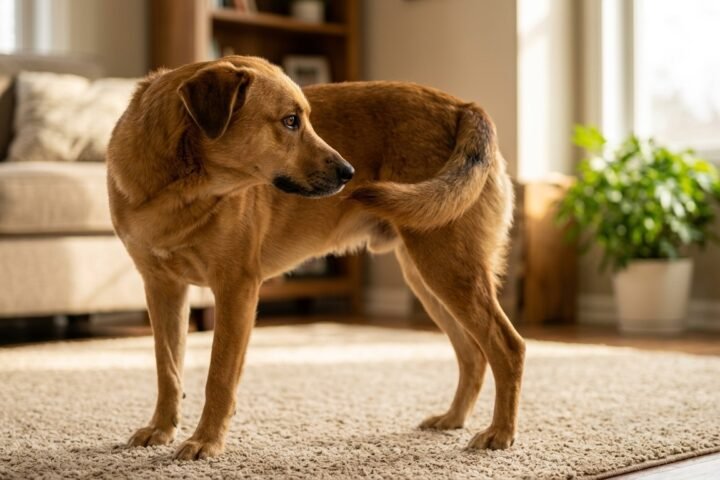
If you’ve ever caught your dog staring off into space with those big, worried eyes, or noticed them pacing the living room at 11 p.m. for no clear reason, you already know something’s up. Dogs can’t tell us in words when they’re overwhelmed, sad, or anxious — but they do tell us, constantly, through their bodies and behavior. Learning the signs of a stressed dog isn’t just a nice-to-have skill for pet parents. It’s how you catch problems early, before they turn into full-blown anxiety disorders, destructive habits, or health issues.
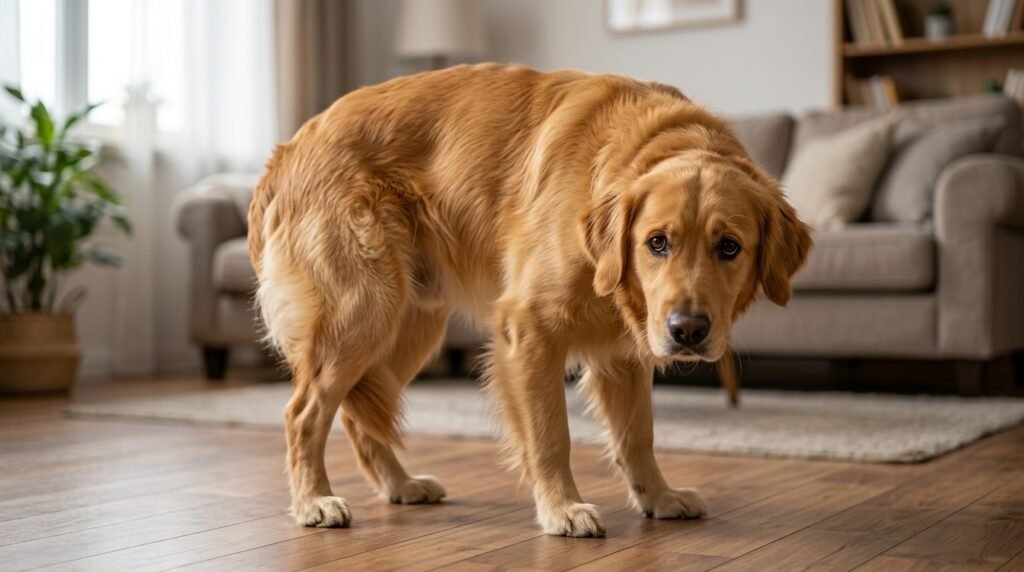
Here at PawMindTips, we talk a lot about the connection between what’s going on in a dog’s head and what shows up in their body — because the two are never separate. A stressed mind shows up in a stiff tail, a tucked body, a sudden loss of appetite, or a dog who won’t stop licking their paws. In this guide, we’re breaking down the ten most common signs of a stressed dog, what’s actually happening underneath each one, and — most importantly — what you can do about it.
Table of Contents
Why Recognizing Canine Stress Actually Matters
Early signs of discomfort can be subtle and easy to overlook. A dog may turn away, become unusually still, or stop participating before showing more noticeable behavior. Recognizing changes from your dog’s usual behavior helps you respond sooner, without assuming that every change is caused by stress.
Chronic, unaddressed stress in dogs doesn’t just make them “act weird.” According to the American Kennel Club, ongoing stress can suppress a dog’s immune system, worsen existing health conditions, and contribute to long-term behavioral issues like aggression or compulsive behaviors. In other words, this isn’t just a mood thing — it’s a whole-body thing.
The good news? Once you know what you’re looking for, the signs of a stressed dog are usually pretty easy to spot. You just have to know where to look.
Understanding the Dog Stress Response
When a dog perceives a threat, the body activates a stress response that prepares them to react. Depending on the situation, a dog may try to escape, freeze, hide, or use defensive behavior to create distance. Appeasement behaviors may also occur. These reactions need to be interpreted alongside the surroundings and the dog’s overall body language.
The tricky part is that stress isn’t always tied to something scary like a thunderstorm or a vet visit. It can come from something as subtle as a change in routine, a new pet in the house, not enough mental stimulation, or even picking up on your stress. Dogs are incredibly attuned to the emotional temperature of their households, which is a topic we dig into deeper over in our Psychology
Common situations that may trigger stress include:
- Loud noises, such as fireworks, thunderstorms, or construction.
- Changes in routine, moving homes, or unfamiliar surroundings.
- Separation from familiar people.
- Visitors, new pets, or crowded spaces.
- Veterinary visits, grooming, or uncomfortable handling.
- Pain, illness, or difficulty getting enough undisturbed rest.
Triggers vary between dogs. Notice what happens before the behavior starts, and consider several body-language signals together rather than treating one action as proof of stress.
Now, let’s get into the actual signs.
1. Excessive Panting Without Physical Cause
Panting after a walk or on a hot day is normal. Panting while lying still in an air-conditioned room? That’s one of the more overlooked signs of a stressed dog. Panting can occur during stress, but it can also reflect heat, excitement, pain, or illness. Look at the situation and your dog’s overall body language rather than using panting alone to identify anxiety.
What to do: Note when it happens. If panting occurs around car rides, visitors, or being left alone, stress may be contributing, but the pattern alone does not rule out a medical cause. Try creating distance from the trigger and see if the panting eases up.
2. Excessive Yawning (Not From Being Tired)
Yawning can occur when a dog is tired, bored, or uncomfortable. During handling or social interactions, repeated yawning may be one of several signals that the dog needs a break. Repeated yawning during a nail trim, training session, or greeting may indicate discomfort, especially alongside a tense posture, turning away, or attempts to leave. Consider the context, since yawning can also occur when a dog is tired.
What to do: Treat it as a request to slow down. Back off the pressure, whether that’s a stranger getting too close or a training drill going too long.
3. Tucked Tail and Lowered Body Posture
Body language is one of the clearest windows into a dog’s emotional state, which is exactly why it’s its own category here on the site — check out our full Body Language breakdown for a deeper dive. A tail tucked tight between the legs, a lowered head, and a body pressed close to the ground are textbook signs of a stressed dog trying to make themselves smaller and less noticeable.
What to do: Don’t force interaction. Let your dog approach situations at their own pace, and avoid looming over them or reaching down from above, which can feel intimidating.
4. Whale Eye (Showing the Whites of Their Eyes)
“Whale eye” is when a dog turns their head slightly away from something but keeps their eyes locked on it, showing a crescent of white sclera. It’s a strong, often under-recognized sign of discomfort or fear, frequently seen around resource guarding, unfamiliar dogs, or uncomfortable handling.
What to do: Whatever’s happening in that moment, ease up immediately. Whale eye is a warning sign that a bite could follow if the pressure continues, according to guidance from the ASPCA on reading canine body language.
5. Pacing and Restlessness
A dog who can’t seem to settle — circling the room, getting up and lying back down repeatedly, following you from room to room without relaxing — is often working through anxious energy. This is one of the more visible signs of a stressed dog, especially around events like fireworks, storms, or big changes at home.
What to do: Create a designated safe space with familiar bedding and low lighting. White noise or calming music made for dogs can help take the edge off, too.
6. Loss of Appetite or Sudden Pickiness
A dog who normally inhales their food but suddenly turns their nose up at meals is telling you something. Stress can suppress appetite significantly, and prolonged loss of appetite can also affect nutrient absorption and energy levels. This is exactly why we treat feeding behavior as part of the bigger emotional picture over in our Nutrition section — what goes on emotionally often shows up on the food bowl first.

What to do: Rule out medical causes first with your vet, since appetite loss overlaps with a lot of physical illnesses. If stress is confirmed as the cause, try feeding in a quiet, low-traffic space away from household chaos.
7. Excessive Licking, Chewing, or Grooming
Repeated licking or chewing may occur during stress, but it can also be associated with itching, pain, or other physical problems. Notice whether your dog repeatedly targets the same area, whether the skin looks irritated, and when the behavior happens. Persistent or damaging licking needs veterinary assessment rather than being assumed to be anxiety.
Repeated lip or nose licking and increased drooling can also occur during stressful situations, such as unfamiliar handling or travel. These behaviors do not prove anxiety: food anticipation, nausea, and mouth discomfort can also cause them. Notice the context and accompanying body language, and contact your veterinarian if drooling is sudden, excessive, or accompanied by other symptoms.
What to do: Redirect the behavior with appropriate outlets like puzzle toys or a long-lasting chew. If the licking has created a hot spot or bald patch, it’s worth a vet visit, since these areas can get infected fast.
8. Withdrawal and Hiding
Some stressed dogs go the opposite direction from restlessness — they shut down. Hiding under furniture, avoiding eye contact, retreating to a crate or another room, or simply seeming “flat” and disinterested in things they normally love are all red flags. This kind of quiet withdrawal is easy to miss because it doesn’t demand attention the way barking or pacing does.
What to do: Give them the space to retreat, but check in gently. Don’t drag a hiding dog out by the collar or force affection; let them come to you when ready.
9. Increased Vocalization
Not every stressed dog goes quiet. Some do the opposite — barking, whining, or howling more than usual, especially when left alone or during transitions like a move or a new baby in the house. This is one of the more disruptive signs of a stressed dog, and it’s often mistaken for a training problem when it’s really an emotional one underneath.
What to do: Look at the pattern. Vocalizing specifically tied to separation often points to separation anxiety, which benefits from gradual desensitization rather than punishment.
10. Changes in Sleep Patterns
Changes in sleep can accompany stress, but they can also reflect pain, illness, aging, or changes in the home environment. Watch for difficulty settling, repeated waking, or an unusual change in sleeping habits. A different sleeping spot alone does not prove that your dog is stressed.
What to do: Keep a consistent bedtime routine and location. If sleep disruption is sudden and severe, loop in your vet, since pain and stress can look nearly identical from the outside.
Long-Term Ways to Help a Stressed Dog Feel Safe Again
Spotting the signs of a stressed dog is step one. Actually helping them feel better is an ongoing process, but a few habits make a real difference over time:
Build a Predictable Routine
Dogs find comfort in predictability. Feeding, walks, and bedtime at roughly the same time each day reduce the number of “unknowns” your dog has to brace for.
Give Them a Real Job to Do
Mental stimulation — puzzle feeders, scent games, basic training sessions — burns off anxious energy in a way that physical exercise alone doesn’t always achieve.
Respect Their Communication
When your dog shows a calming signal like a yawn or a lip lick, honor it by backing off. Dogs who feel heard show fewer escalated stress signs over time. This is a big part of what we cover in our Pet Care hub, since day-to-day handling has a huge impact on long-term emotional wellbeing.

Consider Their Diet
If your dog’s eating habits change, discuss their diet and overall health with your veterinarian. Avoid assuming that anxiety is caused by a nutrient deficiency or that a supplement will solve it. Dietary changes should address your dog’s individual needs and should not replace an assessment of ongoing behavioral or physical symptoms.
Don’t Punish Stress Signals
Correcting a dog for growling, freezing, or avoiding something teaches them to stop warning you — not to stop feeling stressed. That’s a dangerous trade-off that can lead to bites without warning down the line.
When to See a Vet or Professional
Mild, brief stress may improve when the trigger is removed and your dog has space to recover. Arrange a veterinary assessment when changes are sudden, persistent, worsening, or affecting everyday activities. Signs that deserve attention include:
- Stress signs that are constant rather than tied to specific triggers
- Self-injury from licking, chewing, or scratching
- Sudden aggression that wasn’t there before
- A sudden or persistent decrease in appetite, especially with lethargy, vomiting, pain, or other changes.
- Physical symptoms like vomiting, diarrhea, or shaking alongside behavioral changes
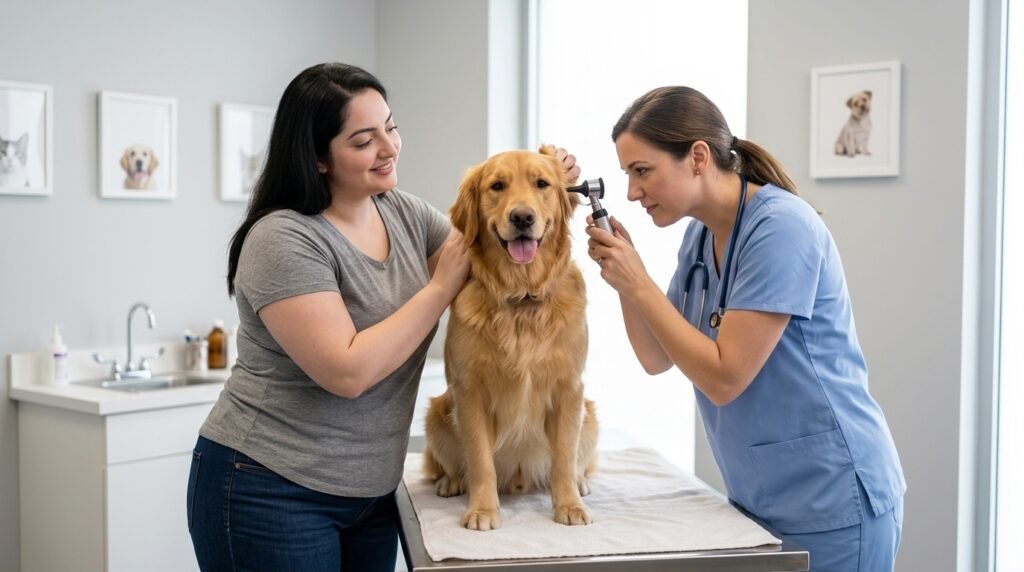
Your veterinarian can check for medical problems that may contribute to behavioral changes. If ongoing fear or anxiety needs treatment, they can recommend appropriate behavioral support, including referral to a veterinary behaviorist when needed. This veterinary guide to stress signals and support explains why context and medical assessment matter.
FAQs
1. What are the most common signs of a stressed dog? The most common signs include excessive panting or yawning, a tucked tail, pacing, loss of appetite, and withdrawal. Every dog shows stress a little differently, so it helps to know your own dog’s baseline behavior.
2. Can stress in dogs go away on its own? Mild, situational stress (like during a thunderstorm) often resolves once the trigger passes. Chronic stress usually needs a change in environment, routine, or professional support to fully resolve.
3. How long does it take for a stressed dog to calm down? It depends on the cause. Acute stress can ease within minutes to hours once the trigger is removed. Chronic anxiety may take weeks to months of consistent, patient intervention to improve.
4. Is it normal for dogs to show stress every day? No — occasional mild stress signals are normal, but daily, consistent signs of a stressed dog point to an unresolved issue in their environment, health, or routine that’s worth addressing sooner rather than later.
Conclusion
Your dog can’t sit you down and explain that they’ve been feeling anxious lately — but their body is talking the whole time. Learning to recognize the signs of a stressed dog, from the subtle (a yawn, a whale eye) to the obvious (pacing, hiding, appetite loss), puts you in a much better position to step in early and help. Stress isn’t something to punish out of a dog; it’s something to understand and work through together. The more fluent you become in your dog’s body language, the calmer — and closer — your relationship with them is going to be.