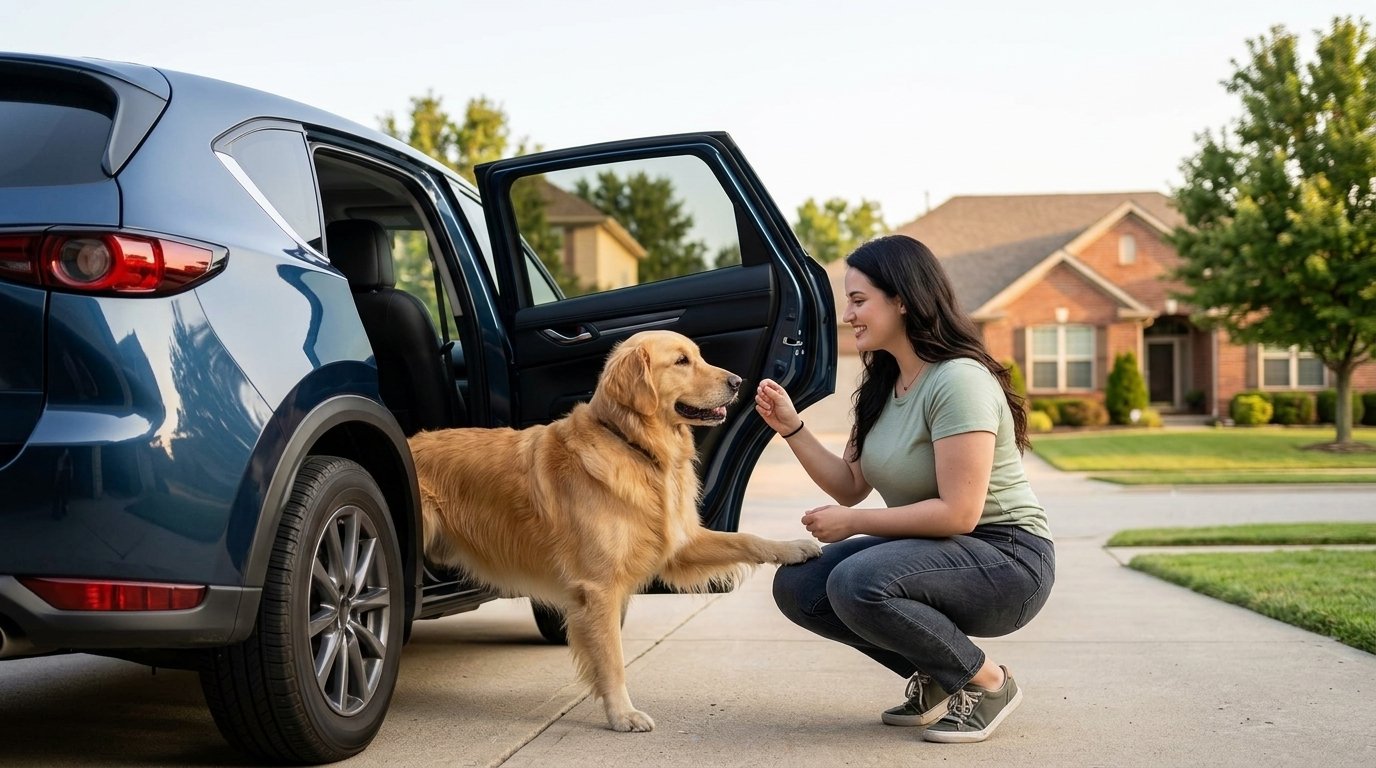
If your dog is afraid of car rides, the most helpful place to begin is usually not on the road. Begin beside a parked, cool car and teach your dog that approaching, entering, and sitting inside can be safe and rewarding. Progress in tiny steps, let your dog choose to participate, and move forward only while their body remains relaxed.
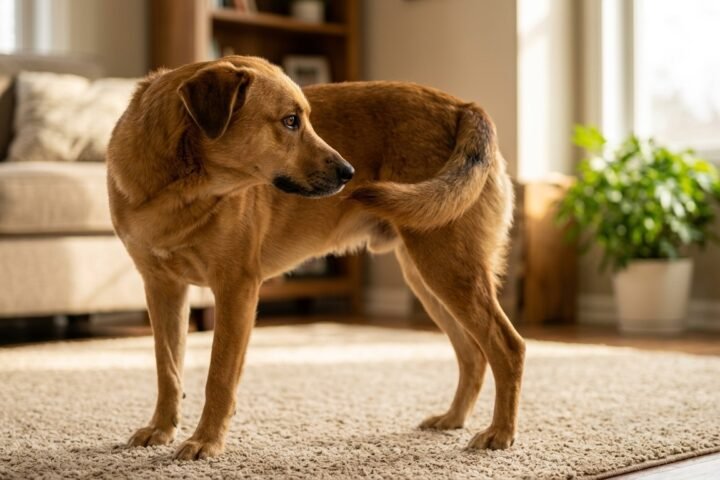
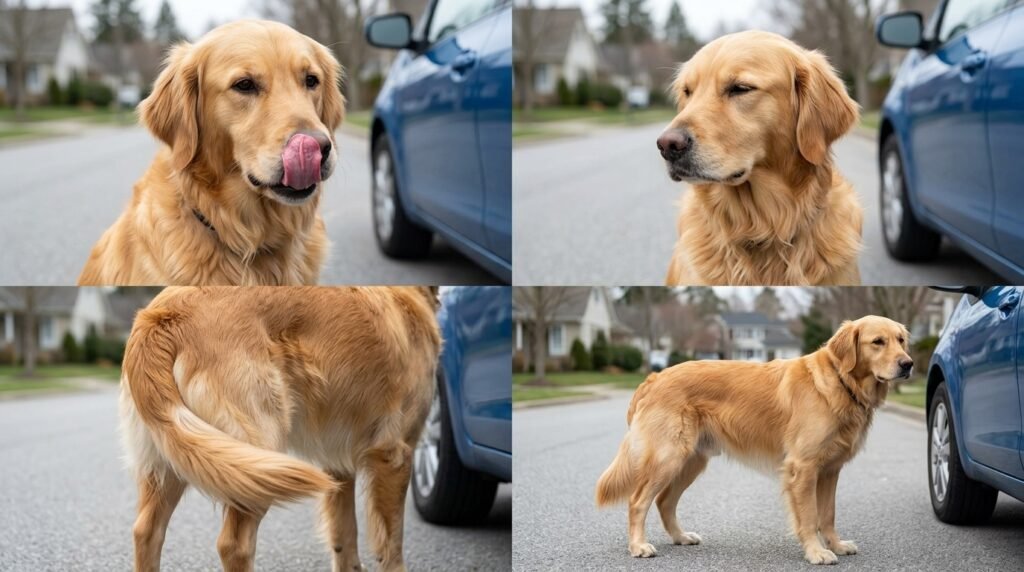
Car fear can look dramatic: trembling, drooling, panting, whining, hiding when the keys come out, or planting all four paws before the door. It can also be subtle, such as lip licking, yawning, turning the head away, moving slowly, or refusing treats. This guide shows you how to recognize those signals, rule out motion sickness, and build confidence through seven manageable stages.
Table of Contents
Why Is Your Dog Afraid of Car Rides?
A car combines unfamiliar smells, confined space, vibration, engine noise, visual movement, turns, and unpredictable stops. A dog may dislike one element or the entire chain of events.
Common causes include:
- Motion sickness: Nausea can make the dog anticipate feeling ill before the vehicle moves.
- A frightening event: Hard braking, a collision, a loud horn, slipping on a seat, or being forced inside can create a powerful association.
- Too little positive experience: A dog who rarely rides may never have learned that the car is safe.
- Unpleasant destinations: If every ride leads to the veterinarian or groomer, the vehicle predicts something stressful.
- Loss of balance: Sliding on a seat or standing through turns can feel insecure.
- Pain or physical difficulty: Arthritis, an injury, or back pain can make jumping into a vehicle uncomfortable.
A sudden change deserves attention. If a formerly happy traveler becomes reluctant, consider pain, balance problems, vision changes, nausea, or a recent bad experience. Do not assume the dog is being stubborn.
For a dog afraid of car rides, identifying the likely cause prevents you from treating nausea, pain, and learned fear as though they were the same problem.
The broad techniques in How to Help a Nervous Dog can support this process, but vehicle fear improves fastest when training is broken into car-specific pieces.
Is It Fear, Motion Sickness, or Both?
An anxious dog and a nauseated dog may show many of the same signs. Drooling, lip licking, whining, restlessness, swallowing, and vomiting can occur with motion sickness. Fear may appear before movement—even when you pick up the keys or walk toward the vehicle. Some dogs experience both: nausea causes anxiety, and anticipatory anxiety makes each trip harder.
The American Kennel Club’s guidance on car anxiety and motion sickness notes that puppies are especially prone to motion sickness and recommends veterinary guidance when nausea or anxiety persists.
Ask your veterinarian before beginning driving practice if your dog:
- Vomits, retches, or drools heavily during most rides
- Suddenly develops travel distress
- Seems painful when jumping, turning, or settling down
- Has balance problems, weakness, or disorientation
- Panics so intensely that safe transport is impossible
Training can change an emotional association, but it cannot treat nausea or pain. A veterinarian can assess possible medical causes and discuss appropriate medication when needed. Never give human motion-sickness or sedating medicine unless your veterinarian specifically directs it for your dog.
A dog afraid of car rides may need both veterinary treatment for nausea and gradual behavior work for the fear that nausea created.
Learn Your Dog’s Stress Signals Before Training
When a dog is afraid of car rides, success depends on noticing discomfort early—not waiting for a full panic response. Review these signs of a stressed dog and use a simple traffic-light check during every session.
| Zone | What you may see | What to do |
|---|---|---|
| Green | Loose body, normal breathing, soft face, taking treats gently, exploring | Continue briefly or end on a success |
| Yellow | Lip licking, yawning, slower movement, looking away, mild panting, hesitant eating | Make the task easier, increase distance, or open the door |
| Red | Trembling, frantic escape attempts, freezing, refusing all food, heavy panting, vomiting | Stop the session and calmly move to a safer distance |
Food refusal is useful information, though not a perfect measure. A dog might be full, dislike the treat, or be too warm. Read the whole body. A tucked tail, pinned ears, tense muscles, and repeated attempts to leave matter more than any single sign.
Keep a brief training log: starting distance, step practiced, stress signals, treats accepted, and how long recovery took. Patterns will tell you whether the plan is helping.
With a dog afraid of car rides, quieter panting, faster recovery, or one voluntary step closer can represent meaningful progress.
Prepare for Safe Parked-Car Training
Choose a quiet location where the vehicle can remain fully parked with the parking brake set. Train in mild weather or cool the interior first. A parked vehicle can heat dangerously fast, so an adult must remain with the dog and the session should end immediately if the temperature becomes uncomfortable.
Gather:
- A leash and comfortable harness
- Pea-size, high-value treats
- A nonslip mat or familiar blanket
- A stable step or ramp if entry is physically difficult
- The restraint system you will eventually use
- A helper for later driving sessions
Decide where your dog will ride and make that area stable. A secured carrier or appropriately fitted vehicle restraint can limit sliding and prevent the dog from interfering with the driver. Introduce the equipment at home first if it is unfamiliar.
Sessions should usually last three to five minutes. Two relaxed minutes are more productive than twenty minutes that end in panic. Work below your dog’s fear threshold: the dog notices the car but can still eat, sniff, respond, and move normally.
Avoid forcing, pulling, or trapping. Those actions can damage trust, especially when escape feels impossible. The same principle underlies the common habits that destroy dog trust: predictability and choice matter.
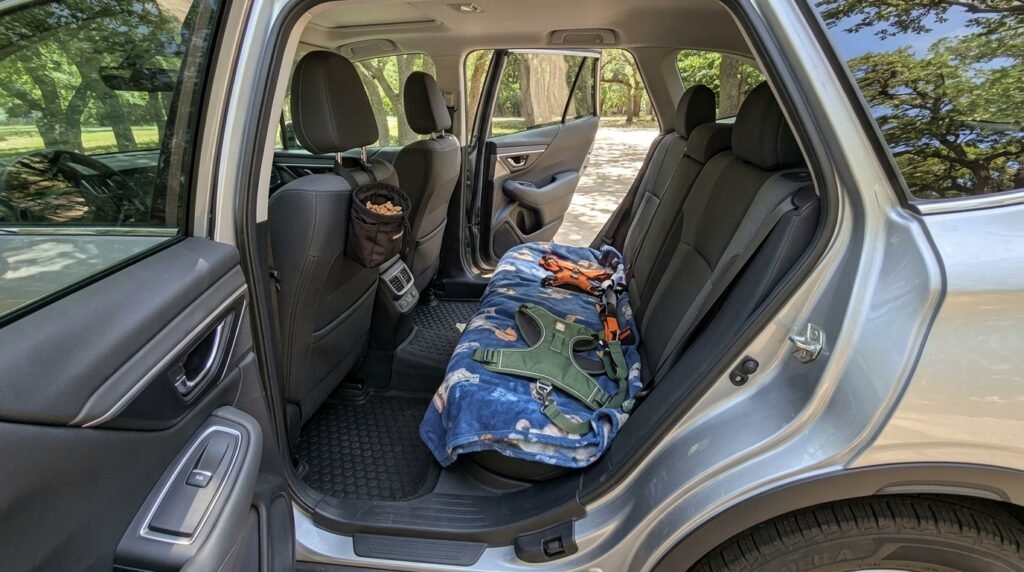
Preparing the environment first lets a dog afraid of car rides learn without also coping with slippery footing, heat, or unfamiliar restraint equipment.
Dog Afraid of Car Rides? Follow These 7 Steps
Treat these as stages, not a one-day checklist. A mildly uncertain dog may progress quickly; a dog with a strong history of fear may need days or weeks at one stage.
For every dog afraid of car rides, the correct starting step is the easiest one they can complete with a loose body and genuine willingness.
1. Start at a Comfortable Distance
Walk toward the parked car only until your dog notices it while staying in the green zone. Mark calm attention with “yes” or a click, give a treat, and walk away. Moving away is part of the reward because it gives your dog control and relief.
Repeat three to five times. Over several sessions, decrease the distance only if the dog approaches willingly. If the dog freezes, leans backward, or stops eating, you moved too close. Increase the distance without scolding.
2. Make the Open Door Predict Good Things
Open the door your dog will use, then reward calm looking or sniffing. Do not lure the dog so far forward that they suddenly realize they feel trapped. Toss a treat away from the car occasionally so your dog can reset and choose to return.
You are ready to advance when the dog approaches an open door with a loose body in several sessions—not merely once.
3. Reward Voluntary Investigation
Place a nonslip mat at the entry. Reward small choices: a nose inside, a paw on the step, two paws up, or a brief lean into the vehicle. Let the dog step away whenever they want.
If your dog is physically capable but hesitant, shape the behavior in tiny pieces rather than lifting them inside. For a dog with mobility limitations, ask your veterinarian about a ramp and safe handling.
The Best Friends Animal Society car-anxiety plan likewise builds positive associations around approaching and entering the car. For a highly fearful dog, however, preserve voluntary choice and avoid physically placing the dog inside unless immediate safety or essential transport requires it.
4. Practice Getting All the Way In—and Back Out
Once your dog readily places their front feet inside, reward gradual movement until all four feet are in. Then use a release cue such as “all done” and let the dog exit calmly.
Do not immediately close the door. Practice a predictable loop: enter, receive two or three treats, exit, sniff, and finish. A dog afraid of car rides learns that getting in does not mean being trapped or driven away.
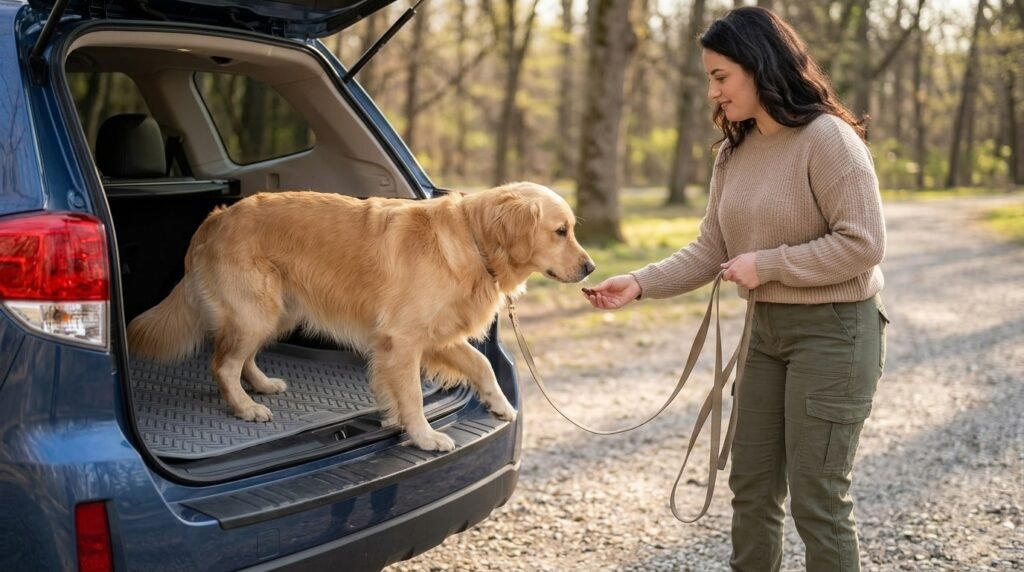
Make entry and exit physically safe. Keep the leash clear of feet, prevent jumping into traffic, and do not allow the dog to bolt from the vehicle. In an unenclosed area, maintain control of the leash without using it to drag the dog.
5. Relax Together in the Parked Car
Sit with your dog for a few seconds with the door fully open. Scatter several treats on the mat, offer a food toy if your dog uses one safely, or simply sit quietly. Gradually extend calm time from a few seconds to a minute or two.
Next, move the door slightly, reward, and open it again. Build toward briefly closing it without starting the engine. If the click or movement of the door causes tension, split that action into smaller pieces.
Do not keep feeding continuously to mask distress. Pause and observe. The goal is genuine comfort: soft muscles, normal breathing, and an ability to disengage from the food and settle.
6. Add Car Sounds One at a Time
Introduce keys, door clicks, seat adjustments, and the engine as separate events. A helper can sit with the dog while you start the engine for one or two seconds, then turn it off and reward. Keep the car stationary.
Engine vibration may be harder than engine sound. If your dog shows yellow-zone signals, turn it off and return to an easier version next time. You can first reward the sound from outside at a comfortable distance.
The Fear Free Happy Homes travel guidance recommends pairing frightening car-related triggers with rewards and seeking veterinary help for motion sickness. Pairing works best when exposure is mild enough that the dog can still learn.
7. Secure Your Dog and Rehearse the Whole Parked-Car Routine
Introduce the carrier or restraint gradually before the vehicle moves. Reward brief fastening, release, and repeat. Your dog should be able to sit or lie comfortably without tangling, sliding, or reaching the driver.
Rehearse the sequence: approach, enter, settle in the secured spot, close the door, start the engine, wait briefly, turn it off, release, and exit. When the dog completes this routine with green-zone body language across several sessions, you have a foundation for motion.
A dog afraid of car rides should not graduate to driving merely because they tolerate the engine once; look for repeated comfort with the full parked-car routine.
Move From the Parked Car to Short Drives
The first movement should be almost boring. Back a few feet and stop, or drive to the end of the driveway and return. Have another adult monitor and reward the dog so the driver remains focused. End before anxiety escalates.
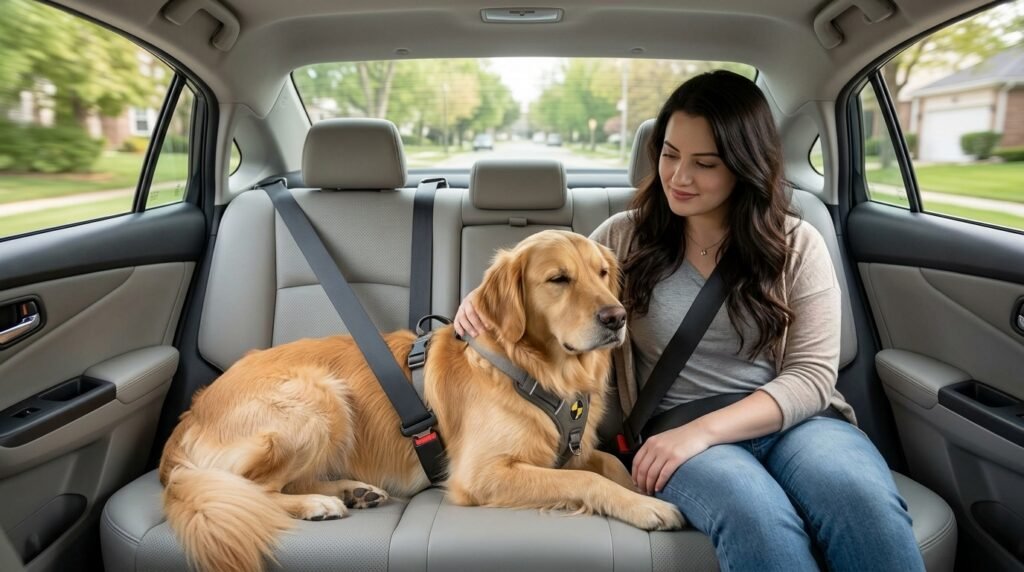
Progress in small increments:
- A few feet of movement
- Around the block
- A two- to five-minute quiet route
- A short ride to a favorite sniffing spot
- Gradually longer trips with comfortable breaks
Choose smooth roads and gentle acceleration. Keep the cabin cool and quiet. Do not allow your dog to ride with their head out of the window, roam freely, or sit on the driver’s lap.
Continue including enjoyable destinations. If the car only predicts veterinary visits, the old association may return. The AKC recommends maintaining positive destinations even after a dog becomes a confident traveler.
If drooling, repeated swallowing, nausea, or vomiting appears only after movement begins, stop increasing distance and consult your veterinarian. That pattern may indicate motion sickness rather than a failure of training.
For a dog afraid of car rides, several successful two-minute outings are usually more useful than one long trip that overwhelms them.
Common Mistakes That Can Make Car Fear Worse
Moving faster because the dog succeeded once
One easy repetition does not mean the association has changed. Look for relaxed behavior across several sessions and contexts.
Luring the dog past their comfort point
A treat held deep inside may get the body into the car while the mind remains frightened. Reward voluntary steps and allow retreat.
Forcing the dog into the vehicle
Dragging, pushing, or routinely lifting a physically capable, frightened dog removes control and may intensify avoidance. If essential veterinary transport cannot wait, call the clinic for a safe transport plan.
Training only when a trip is unavoidable
When every practice ends in a drive, the parked-car exercise predicts the difficult event. Include sessions that end without movement.
Punishing fear behavior
Whining, trembling, or refusing to enter is communication, not disobedience. Punishment adds another reason to fear the situation.
Advancing while the dog is overwhelmed
Learning deteriorates in panic. If a dog afraid of car rides reaches the red zone, stop, create distance, and make the next session easier.
The aim is not to make a dog afraid of car rides endure the car; it is to change what the car predicts while keeping the dog able to learn.
When to Get Veterinary or Behavior Help
Contact your veterinarian when distress is severe, new, worsening, accompanied by vomiting, or linked with possible pain. Medication may sometimes help control nausea or reduce anxiety enough for learning, but it should be selected and dosed by a veterinarian. Medication supports a behavior plan; it does not justify overwhelming the dog.
Seek a qualified reward-based trainer or veterinary behaviorist if your dog:
- Cannot remain below threshold even far from the car
- Risks biting when approached or handled near the vehicle
- Injures themselves trying to escape
- Makes no meaningful progress despite consistent, gradual practice
- Must travel soon and cannot do so safely
For serious fear, a professional can observe subtle body language, customize the step size, and coordinate with your veterinarian. The American College of Veterinary Behaviorists directory can help US owners locate a board-certified veterinary behaviorist.
Professional support is especially valuable when a dog afraid of car rides must travel for medical care before a gradual home plan can be completed.
FAQs
This is the article’s only FAQ section and should be placed directly after the conclusion in WordPress.
How long does it take to help a dog afraid of car rides?
Some dogs relax after several short sessions, while dogs with severe fear or motion sickness may need weeks or longer. Advance according to relaxed body language across repeated sessions, not a fixed deadline.
The timeline for a dog afraid of car rides depends on fear intensity, prior experiences, physical comfort, and how carefully each step is introduced.
Should I pick up my dog and put them in the car?
Avoid forcing or lifting a physically capable fearful dog during training, because it can remove choice and increase fear. If mobility is the issue, ask your veterinarian about pain, safe handling, a ramp, or steps.
What treats work best for car-confidence training?
Use tiny, high-value foods your dog tolerates, such as small pieces of cooked chicken or a favorite commercial treat. Reserve them for car practice if that increases their value. Food does not replace distance: if your dog cannot eat, make the exercise easier.
Can medication help a dog with car anxiety?
Veterinarian-prescribed medication may help with motion sickness or severe anxiety. Ask your veterinarian to assess the cause and choose a safe option; never give human medication or use sedation without veterinary direction.
Medication can help a dog afraid of car rides remain comfortable enough to learn, but it should be part of a veterinarian-guided plan.
Conclusion
When your dog is afraid of car rides, confidence develops through small, positive, and predictable experiences. Begin outside a parked car, reward voluntary approaches, and let your dog enter and exit without pressure. Introduce closed doors, engine sounds, restraints, and vehicle movement gradually—advancing only when your dog remains relaxed.
Let your dog’s body language determine the pace rather than following a fixed schedule. If you notice vomiting, excessive drooling, pain, a sudden behavioral change, or severe panic, pause the training and consult your veterinarian. With patience, consistent practice, and veterinary support when necessary, your dog can learn that car rides lead to safe, comfortable, and enjoyable experiences.