Your cat may not use words, but their tail can provide useful clues about how they feel. Understanding cat tail language can help you recognize when your cat is comfortable, focused on something interesting, frightened, or ready for some space. The key is knowing what to look for without assuming that every tail movement has one fixed meaning.
A cat holding their tail upright may be approaching confidently, while a puffed-up tail can indicate fear or intense arousal. A rapidly lashing tail during petting may be a warning that your cat has had enough. However, context matters: your cat’s ears, eyes, posture, surroundings, and recent experiences all help explain what a movement might mean.
This guide explores nine common tail positions, explains different tail movements, and shows you how to respond in ways that help your cat feel safe. You’ll also learn when an unusual tail position deserves attention from a veterinarian.
Table of Contents
What Can Cat Tail Language Tell You?
Cats communicate through a combination of body posture, facial expressions, vocalizations, scent, and movement. Their tails are one visible part of this communication system, helping you notice changes in attention, confidence, fear, and irritation.
For example, a cat approaching with an upright tail and a relaxed body is often comfortable initiating contact. A cat crouching low with its tail tucked close to its body may feel frightened or insecure. A cat sitting beside you while sharply thumping its tail may be signaling irritation rather than asking for more attention.
According to PetMD’s veterinary-reviewed guide to cat tail language, tail positions and movements can help owners understand their cats’ emotional responses. They become more informative when considered alongside other body-language signals.
Three questions are especially useful when observing your cat:
- Where is the tail? Is it upright, low, tucked, wrapped, or puffed out?
- How is it moving? Is it still, gently swishing, twitching at the tip, or lashing forcefully?
- What else is happening? Is your cat playing, being petted, watching a bird, meeting another animal, or facing an unfamiliar person?
Think of tail language as a set of clues, not a word-for-word translation. The same movement can appear in different situations, so look for patterns rather than relying on one signal.
9 Common Cat Tail Positions and Their Meanings
Cat tail positions can help you make a more informed guess about your pet’s state of mind. The following interpretations describe common patterns, not absolute rules.
1. Tail Held Straight Up
A tail held upright often accompanies a friendly greeting or a confident approach. You might see this when your cat walks toward you after you arrive home, approaches a familiar person, or enters a room where they feel comfortable.
Look at the rest of the body. Forward-facing ears, a relaxed walk, and an unhurried approach generally support a positive interpretation.
How to respond: Let your cat decide whether to approach closely. Offer your hand for a sniff or gently invite interaction rather than immediately picking them up.
An upright tail is encouraging, but it does not automatically mean your cat wants to be touched. Respect their choice to move away.
2. Tail Curved Like a Question Mark
Some cats hold their tails upright with a soft curl at the tip. This question-mark shape often accompanies curiosity, friendly interest, or a relaxed social approach.
You may notice it when your cat explores a familiar room or approaches you for attention. The curved tip can make the greeting look especially expressive.
How to respond: Speak softly, offer a toy, or allow your cat to approach. If they seem interested in affection, start with gentle petting around the cheeks or head and watch their response.
A question-mark tail is not a guarantee that your cat wants a cuddle. Their willingness to continue interacting is more informative than the tail shape alone.
3. Tail Held Low
A tail held low can accompany uncertainty, fear, discomfort, or a naturally cautious posture. Some cats also carry their tails lower in particular environments or when moving in a relaxed way.
Consider the surrounding circumstances. A low tail combined with hiding, crouching, flattened ears, or attempts to retreat may indicate that your cat feels unsafe.
How to respond: Reduce pressure. Give your cat a clear path to leave, avoid looming over them, and let them settle somewhere quiet.
If your cat usually carries their tail normally but suddenly begins holding it low, particularly with signs of pain or reduced movement, contact your veterinarian.
4. Tail Tucked Beneath the Body
A tail tucked closely under the body or between the hind legs can be a sign of fear, insecurity, or discomfort. Your cat may also crouch, draw their limbs inward, lower their head, or try to make themselves less noticeable.
Unfamiliar visitors, loud noises, stressful handling, and encounters with other animals can all contribute to fearful behavior.
How to respond: Give your cat space and avoid reaching under furniture or forcing them out of a hiding place. Remove the source of stress when possible and allow them to approach when ready.
A tucked tail is not enough to diagnose pain, but a persistent change combined with reduced appetite, hiding, reluctance to move, or sensitivity to touch warrants veterinary advice.
5. Tail Puffed Up Like a Bottle Brush
When a cat’s tail suddenly looks much larger because the fur stands on end, the response is called piloerection. It commonly occurs during fear, surprise, or intense arousal.
Your cat may also arch their back, turn sideways, flatten their ears, or widen their eyes. These combined signals can make the cat appear larger when they feel threatened.
How to respond: Do not try to hug, restrain, or punish your cat. Increase distance from the trigger, keep other animals away, and let your cat choose a safe retreat.
A puffed tail does not necessarily mean your cat is deliberately being aggressive. It can be a defensive response to feeling frightened or overwhelmed. Cornell University’s feline aggression guidance explains why recognizing fear and defensive body posture matters when preventing conflict.
6. Tail Wrapped Around the Body
A cat may curl their tail around their paws or close to their body while resting. This can be an ordinary resting posture, a way to conserve warmth, or a comfortable position in a familiar environment.
However, a tightly tucked tail paired with a tense crouch, flattened ears, or withdrawal may suggest that your cat is uncomfortable.
How to respond: Look at the whole picture. A relaxed cat resting in a sunny spot is different from a cat who has suddenly become withdrawn and resists normal movement.
Do not interpret a tail wrapped around the body as proof of sadness, illness, or fear. Changes from your cat’s usual behavior are more meaningful than a single resting position.
7. Tail Held Horizontally or in a Relaxed Curve
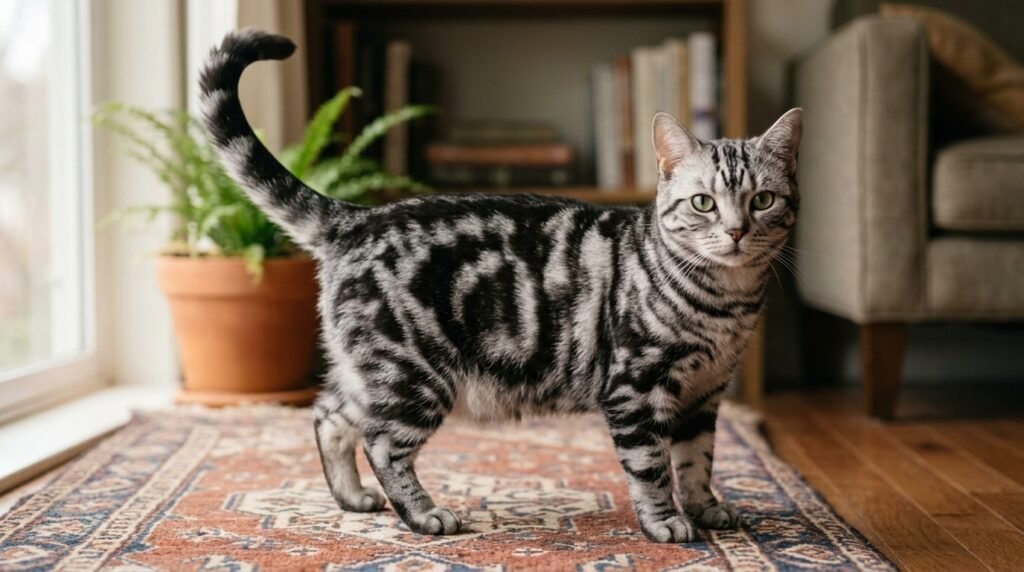
A tail extending behind the body or following a gentle curve may be part of your cat’s ordinary walking or exploring posture. The exact position varies with movement, individual habits, and what the cat is doing.
A loose body, normal walking, and relaxed ears may support a neutral interpretation. A rigid body or sudden change in movement deserves closer attention.
How to respond: Observe your cat without interrupting them. If they are exploring comfortably, there is generally no need to intervene.
Remember that no single tail angle reliably describes every cat’s emotional state. Compare the position with your pet’s usual behavior.
8. Tail Curled Around Your Hand, Leg, or Another Cat
Some cats gently curl their tails around a person’s leg or intertwine tails with a familiar feline companion. These behaviors can occur during friendly social interactions.
You may notice tail wrapping when your cat greets you, walks beside you, or stands close to another cat with whom they are comfortable.
How to respond: Enjoy the interaction without assuming that it is an invitation to pick up your cat. If they rub against your legs, you can offer gentle attention while allowing them to move away whenever they choose.
Social signals are individual. Some affectionate cats rarely wrap their tails around people, and that does not mean they are less bonded to their families.
9. Tail Held Close to the Body While Sitting or Resting
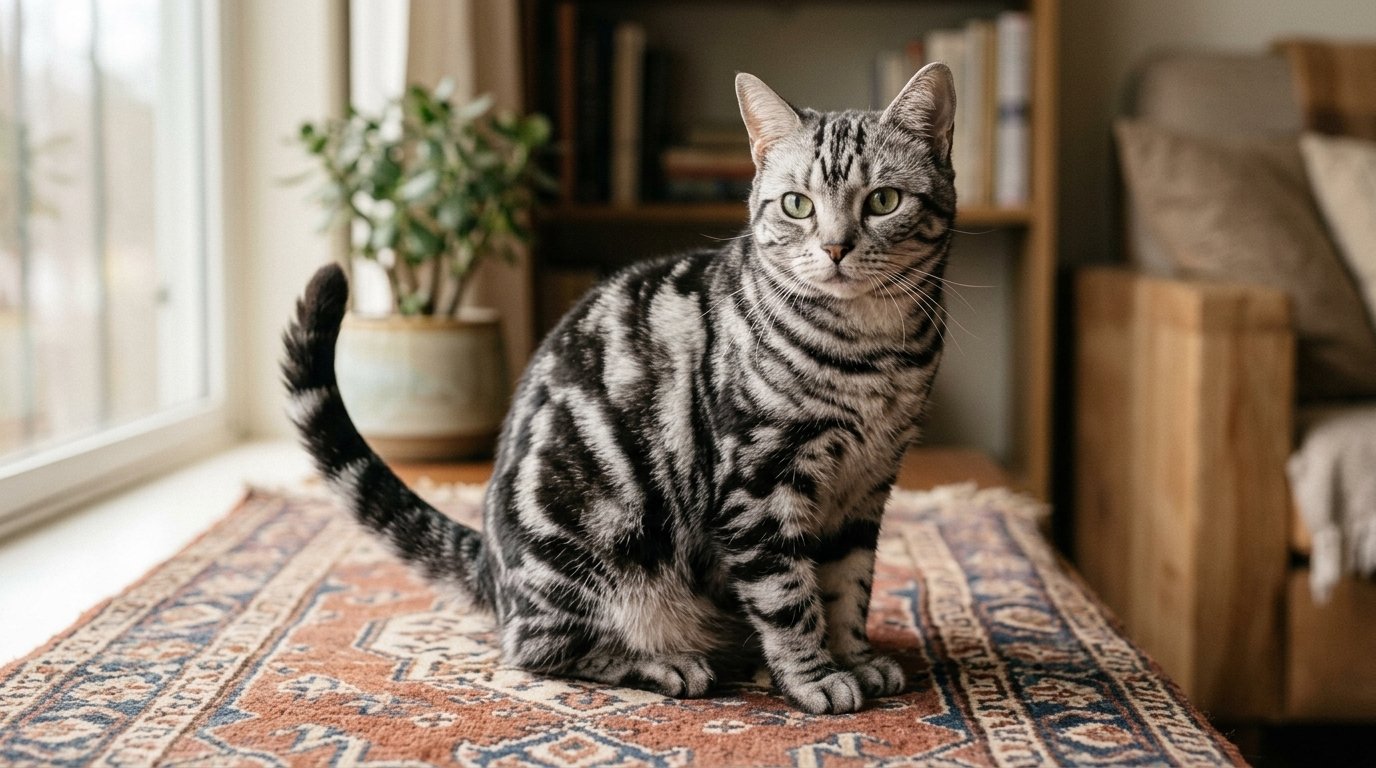
Cats often position their tails close to their bodies when sitting or resting. A loosely wrapped tail can simply be comfortable, particularly when the cat is settled in a familiar place.
The important distinction is between a relaxed resting position and a tense, protective posture. A cat that appears comfortable, responds normally, and changes positions freely is different from one that stays hunched, hides, or avoids movement.
How to respond: Let a resting cat rest. If the posture is new and persists alongside other changes in behavior, appetite, grooming, or mobility, arrange a veterinary assessment.
What Do Different Cat Tail Movements Mean?
Position is only part of the picture. The speed, intensity, and pattern of movement can provide additional clues.
Slow Swishing From Side to Side
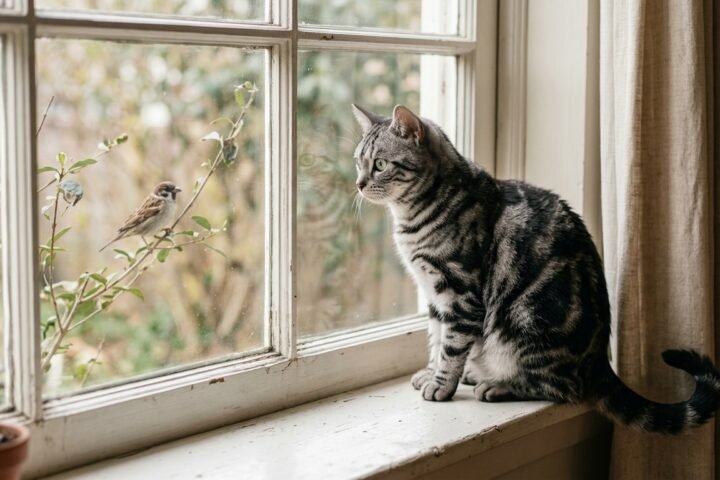
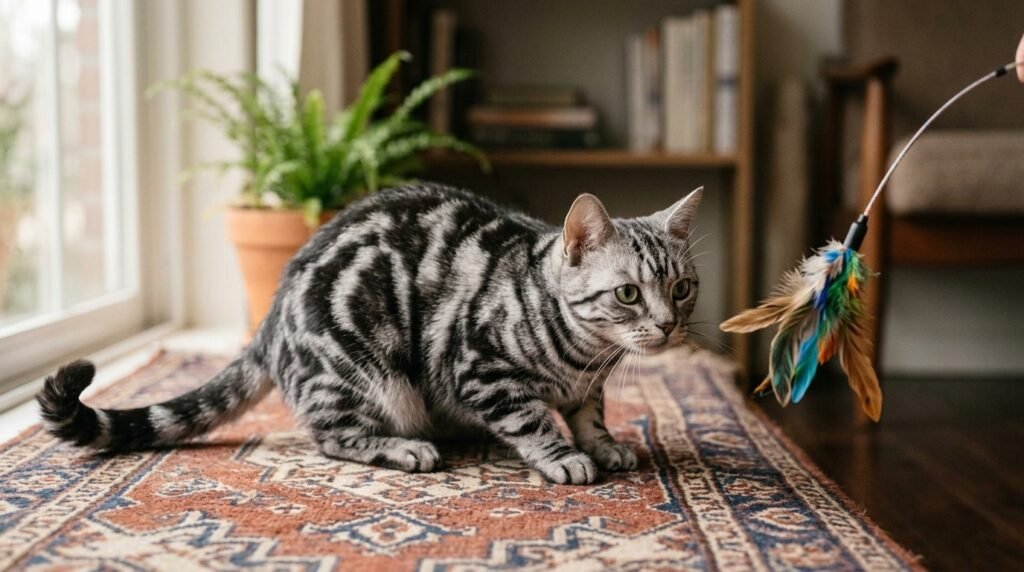
A slowly swishing tail may appear when a cat is concentrating on a moving toy, watching wildlife through a window, or preparing to pounce.
This movement can reflect focused attention rather than annoyance. Watch whether your cat’s body is oriented toward something they are tracking and whether they appear ready to play.
What to do: If your cat is focused on a toy, allow them to continue or offer an appropriate interactive toy. Avoid putting your fingers near a cat who is stalking or preparing to pounce.
Rapid Flicking or Forceful Tail Lashing
Sharp, repeated tail flicks or forceful side-to-side lashes can indicate irritation, frustration, or rising arousal. This is particularly important when a cat is being handled or petted.
You might notice the tail moving more vigorously, the ears turning sideways or backward, the body becoming tense, or the cat turning their head toward your hand.
What to do: Pause the interaction and give your cat room to move away. Do not keep petting them to see how much they will tolerate.
If your cat also growls, hisses, swats, or bites, stop approaching and allow them to settle. For more context about this specific situation, see the Cornell guide to feline aggression.
Twitching Just at the Tail Tip
A small twitch at the end of the tail may occur during hunting, play, concentration, or mild irritation. The surrounding circumstances help you interpret it.
For example, a cat watching a toy from a crouched position may twitch their tail tip while concentrating. A cat receiving repeated strokes while becoming tense may display a similar movement for a different reason.
What to do: Check the ears, posture, facial expression, and activity. During petting, pause if the twitch comes with other signs of discomfort.
Quivering or Vibrating Tail
A cat may hold their tail upright and quiver it when greeting a familiar person or experiencing excitement. However, a similar movement can occur during urine marking.
Context makes the difference. A cat greeting you with a relaxed body is not in the same situation as one backing toward a vertical surface and depositing urine.
If you notice repeated urine marking, discuss it with your veterinarian. Urine-related changes can have behavioral or medical causes, and it is important not to assume that every unusual movement is simply excitement. Cornell’s guide to feline house-soiling and urine spraying describes the typical posture associated with spraying.
Tail Thumping Against the Floor
Some cats repeatedly tap or thump their tails against the floor when they are irritated or highly stimulated. This may happen when they are being petted, watching another animal, or reacting to something nearby.
A thumping tail is not a reliable invitation to play. In a tense situation, continuing to approach can increase the likelihood of a defensive response.
What to do: Pause, reduce stimulation, and give your cat a choice about whether to continue the interaction.
Tail Movement During Sleep
A sleeping cat may occasionally twitch or move their tail. Small movements alone do not necessarily indicate distress.
Observe the overall episode rather than focusing on the tail in isolation. If movements are unusual, repetitive, accompanied by abnormal responsiveness, or associated with other concerning symptoms, record what you see and contact your veterinarian for guidance.
Do not shake or startle your cat awake to test their response.
How to Read Your Cat’s Tail Along With Other Body Signals
The most reliable way to interpret cat tail language is to combine it with other visible cues and the situation.
Check the Ears
Ears pointing forward often accompany attention or interest. Ears rotated sideways or flattened backward can appear with fear, irritation, or defensive arousal.
Ear position is not a perfect emotional label, but it can help you understand whether an otherwise ambiguous tail movement is happening alongside signs of discomfort.
Observe the Eyes and Pupils
Wide eyes and enlarged pupils may occur with excitement, fear, play, or other forms of arousal. They are not a standalone way to identify an emotion.
Look at the setting. A cat watching a toy in a dim room may have enlarged pupils for reasons that differ from those of a frightened cat confronting another animal.
Notice Muscle Tension and Posture
A loose body and normal movement often support a more relaxed interpretation. A crouched posture, rigid muscles, an arched back, or a sudden attempt to retreat may suggest that your cat feels threatened or uncomfortable.
Do not approach simply because the tail appears friendly if the rest of the body seems tense.
Listen for Vocalizations
Growling, hissing, or repeated distressed vocalizations can reinforce the need to give your cat space. Purring, on the other hand, does not always mean a cat is happy; it can occur in other contexts too.
Use vocalizations as additional information, not as a replacement for observing the whole animal.
Consider What Happened Immediately Before
Ask yourself what your cat was doing before the signal appeared:
- Were you touching their back or tail?
- Did another animal approach?
- Was there a sudden noise?
- Were they watching prey or playing?
- Did they have an easy way to leave?
These details often help explain the movement more accurately than memorizing a list of meanings.
How Should You Respond to Your Cat’s Tail Signals?
You do not need to decode every small movement perfectly. Your goal is to recognize patterns, avoid pushing your cat beyond their comfort level, and respond in a way that preserves trust.
When your cat approaches with a relaxed, upright tail: Let them initiate contact. Offer gentle attention if they appear interested, and stop if they move away.
When the tail starts lashing during petting: Pause immediately. Avoid restraining your cat or continuing to touch them. Some cats prefer short petting sessions, while others enjoy longer interactions.
When the tail is puffed and the body is tense: Give your cat space. Reduce the source of stress if you can do so safely, and do not force a confrontation or attempt to pick them up.
When your cat is focused on a toy: Use an appropriate toy that keeps your hands at a safe distance. Allow stalking and pouncing as part of supervised play.
When your cat seems fearful: Provide a quiet retreat, keep children and other animals from crowding them, and allow them to regain confidence at their own pace.

When the signal is unusual for your cat: Pay attention to the pattern and consider whether pain, illness, or an environmental change could be involved.
Avoid punishment, shouting, or spraying water in response to defensive behavior. These reactions can add fear without addressing what caused the behavior.
When Can Tail Changes Indicate a Health Problem?
Tail language is primarily useful for understanding behavior, but a change in tail movement or carriage can sometimes accompany pain, injury, or illness.
Contact your veterinarian if your cat develops a persistent or unexplained change, especially if you also notice:
- A tail that suddenly hangs limp or cannot be lifted normally.
- Pain, swelling, wounds, bleeding, or sensitivity around the tail.
- Reluctance to walk, jump, sit, or have the hindquarters touched.
- Hiding, reduced appetite, unusual irritability, or reduced activity.
- Repeated licking, chewing, or scratching around the tail.
- Changes in urination or defecation following a possible injury.
Tail injuries can involve bones, muscles, and nerves. The VCA Animal Hospitals guide to injured cat tails explains that injuries near the tail base can be particularly concerning because of the nerves involved.
Seek urgent veterinary care after significant trauma, such as being struck by a vehicle, a severe fall, or a tail-pulling injury. A limp tail accompanied by difficulty urinating or defecating also requires urgent assessment.
Do not pull, straighten, or manipulate an injured tail. Keep your cat as calm as possible while arranging veterinary care.
A sudden change in behavior should not automatically be labeled a mood problem. Cats can hide discomfort, and an examination may be needed to distinguish a behavioral issue from a medical one.
Common Mistakes When Interpreting Cat Tail Language
Even experienced cat owners can misread tail movements. Avoiding these common mistakes can help you respond more appropriately.
Assuming a wagging tail always means happiness. Cats do not use every tail movement the way dogs commonly use tail wagging. Fast, forceful movement can accompany irritation or high arousal.
Treating one signal as a complete diagnosis. A tucked tail may accompany fear or discomfort, but it does not prove that your cat is ill. Consider other signs and changes from their normal behavior.
Ignoring the rest of the body. A seemingly friendly tail position does not cancel out flattened ears, a tense body, or attempts to escape.
Continuing to pet after warning signs appear. Tail lashing, body tension, turning toward the hand, or moving away are reasons to pause rather than test your cat’s limits.
Comparing every cat with the same standard. Individual temperament, past experiences, environment, and ordinary habits all influence behavior. Learn what is normal for your own cat.

Assuming every change is behavioral. Persistent or sudden changes can warrant veterinary assessment, particularly when accompanied by signs of pain, injury, or difficulty moving.
FAQs
1. What does it mean when a cat holds its tail straight up?
An upright tail often accompanies a friendly greeting or confident approach. Check whether your cat’s body is relaxed and whether they choose to come closer before offering affection.
2. Why does my cat wag its tail when I pet it?
Tail movement during petting can indicate different levels of stimulation. A gentle movement may occur while your cat is focused or engaged, whereas sharp, forceful lashing can signal irritation. Pause petting if your cat becomes tense or tries to move away.
3. Does a puffed-up cat tail always mean a cat is angry?
No. A puffed tail commonly occurs with fear, surprise, or intense arousal. Give your cat space, reduce the trigger when possible, and avoid approaching or restraining them while they are defensive.
4. When should I worry about my cat’s tail movements?
Seek veterinary advice for sudden or persistent changes, pain, swelling, wounds, a limp tail, or reduced movement. Significant trauma or a tail problem accompanied by difficulty urinating or defecating requires urgent veterinary assessment.
Conclusion
Understanding cat tail language can help you recognize when your cat may be comfortable, focused, frightened, or irritated. An upright tail often accompanies a friendly approach, a puffed tail can indicate defensive arousal, and rapid lashing may be a reason to pause an interaction.
The most important rule is to interpret the tail alongside your cat’s ears, eyes, posture, surroundings, and usual behavior. Give them room to retreat, respect signs of discomfort, and avoid forcing contact.
If your cat’s tail behavior changes suddenly or you notice pain, injury, reduced movement, or other concerning symptoms, consult a veterinarian. Careful observation and a calm response can help you build a safer, more trusting relationship with your cat.