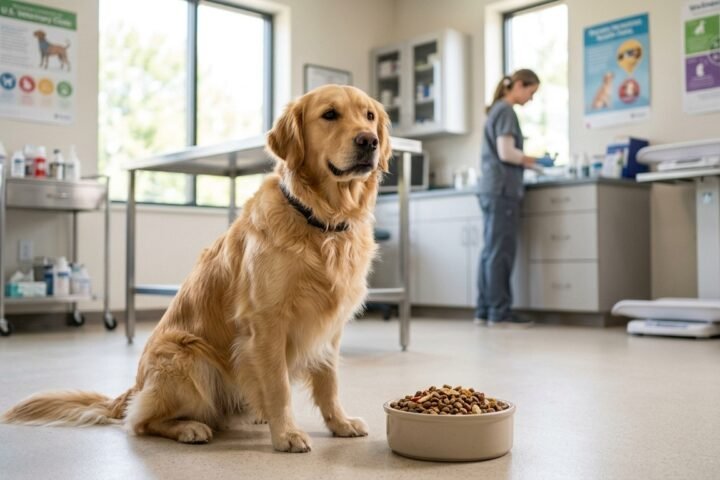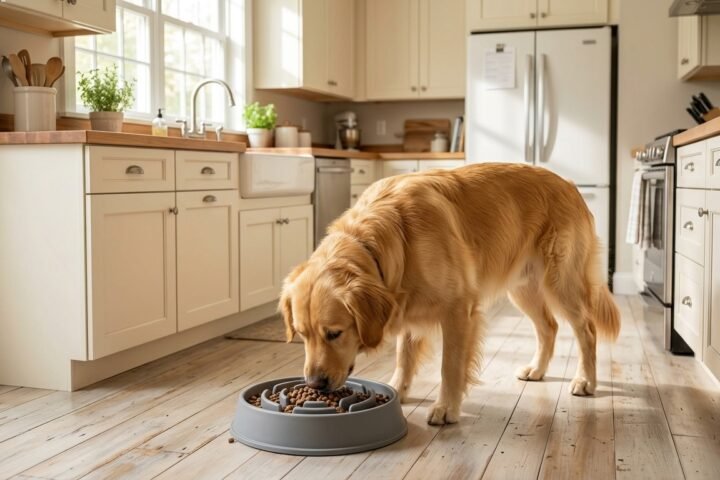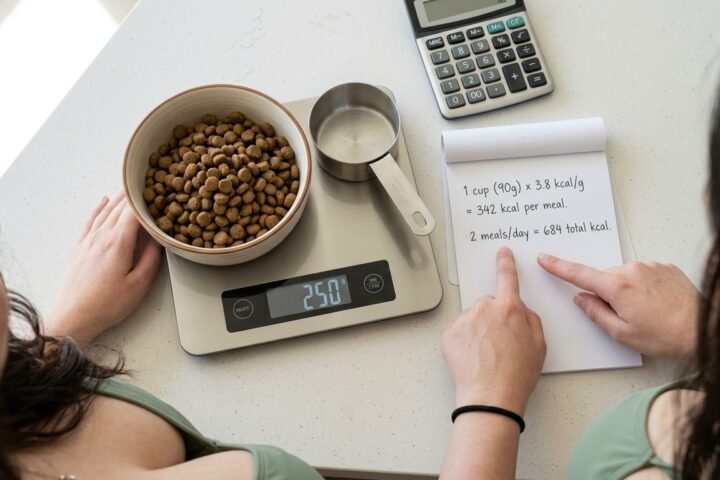
A homemade dog food recipe can be a convenient way to prepare fresh food for your dog using simple ingredients you recognize. Cooked chicken, rice, carrots, green beans, and sweet potato can make an appealing meal, especially when your dog enjoys freshly prepared food.
But there is an important distinction between home-cooked food and a complete and balanced diet.
A meal can contain healthy ingredients without providing every nutrient a dog needs when it is fed as the primary diet for months or years. Dogs require appropriate amounts of protein, fat, essential fatty acids, vitamins, minerals, calories, and other nutrients. The exact requirements vary with age, size, activity level, body condition, and health.

That is why this guide takes a practical approach. You’ll learn how to prepare a simple homemade dog food recipe, which ingredients are generally suitable, how to store the food safely, what mistakes to avoid, and why a long-term homemade diet should be professionally formulated for your individual dog.
If you’re looking for an easy home-cooked meal or topper, the recipe below gives you a useful starting point. If you’re planning to replace your dog’s complete commercial food permanently, however, veterinary nutritional guidance is the safer route.
Table of Contents
Is Homemade Dog Food Healthy?
A properly formulated homemade dog food recipe can be part of a healthy feeding plan, but simply cooking meat, rice, and vegetables does not guarantee that a dog’s nutritional needs are being met.
This distinction matters because dogs need more than calories and protein.
A nutritionally adequate diet must provide the right amounts and ratios of numerous nutrients. Veterinary nutrition guidance warns that homemade diets can become deficient when ingredients, quantities, or required supplements are changed.
Research has also found nutritional problems in many published homemade dog-food recipes. UC Davis reported that most of the recipes evaluated in one study were deficient in at least one essential nutrient.
Home-cooked does not automatically mean complete
Fresh ingredients can certainly be useful.
However, the question shouldn’t simply be:
“Are these ingredients healthy?”
The better question is:
“Does the finished diet provide everything my dog needs in the correct amounts?”
That is especially important if the food will make up most or all of your dog’s daily calories.
An occasional home-cooked meal or small topper is very different from replacing a complete and balanced commercial diet.
Homemade Dog Food Recipe for Adult Dogs
This simple homemade dog food recipe is designed around familiar, plain ingredients:
- Lean cooked chicken
- Plain cooked rice
- Carrots
- Green beans
- Sweet potato
These ingredients provide protein, carbohydrates, and various nutrients while keeping the preparation simple.
Important: This recipe should be considered a general home-cooked meal or topper for a healthy adult dog, not a universally complete long-term diet.
For a diet intended to replace your dog’s regular food, have the recipe formulated or reviewed by your veterinarian or a qualified veterinary nutritionist.
Ingredients
For one basic batch, use:
- 1 pound boneless, skinless chicken breast
- 2 cups plain cooked rice
- 1 cup cooked carrots
- 1 cup cooked green beans
- 1 cup plain cooked sweet potato
- A small amount of water if needed for consistency
Why these ingredients?
Chicken:
Provides high-quality animal protein and can be appealing to many dogs.
Rice:
Provides carbohydrates and energy.
Carrots:
Offer fiber and various micronutrients while adding texture.
Green beans:
Provide fiber and can add variety without heavily seasoning the meal.
Sweet potato:
Provides carbohydrate and fiber.
Keep every ingredient plain.
Do not add onion, garlic, excessive salt, butter, spicy seasoning, sauces, stock cubes, or seasoning mixes.

A note about ingredient substitutions
If you later use a professionally formulated diet, don’t automatically substitute ingredients.
Changing chicken to another protein or replacing one carbohydrate with another can alter calories and nutrient levels. A professionally formulated recipe should be followed as written unless the nutrition professional provides an appropriate substitution.
How to Prepare the Recipe
Step 1: Cook the chicken
Cook the chicken thoroughly.
Remove all bones before serving. Cooked bones should never be added to the food because they can splinter and create serious hazards.
Once cooked, allow the chicken to cool before shredding or cutting it into small pieces.
Step 2: Prepare the rice
Cook plain rice using water.
Do not add:
- Salt
- Butter
- Garlic
- Onion
- Broth containing onion or garlic
- Seasoning blends
- Sauces
The goal is simple, unseasoned food.
Step 3: Cook the vegetables
Steam or boil the carrots and green beans until they are soft enough for your dog to eat comfortably.
Cook the sweet potato thoroughly.
Serve all vegetables plain.
Step 4: Combine everything
Place the cooked chicken, rice, carrots, green beans, and sweet potato into a clean bowl or food container.
Mix the ingredients thoroughly.
This helps prevent a dog from eating only the chicken while leaving the other ingredients behind.
Step 5: Cool before serving
Allow the food to cool to a safe temperature before giving it to your dog.
Never serve food that is hot enough to burn your dog’s mouth.
Step 6: Store leftovers properly
Transfer leftovers into clean, covered containers and refrigerate promptly.
If you’ve prepared a large batch, dividing it into individual portions can make future meals easier.
Why This Recipe Is Not Automatically Complete and Balanced
This is the most important nutritional warning in this entire guide.
A homemade dog food recipe containing meat, rice, and vegetables may look balanced, but appearance does not tell you whether the diet meets every nutritional requirement.
Dogs need numerous nutrients, including:
- Protein
- Essential amino acids
- Essential fatty acids
- Calcium
- Phosphorus
- Zinc
- Copper
- Iron
- Vitamin D
- Vitamin E
- Other vitamins and minerals
The quantities and relationships between these nutrients matter.

Calcium deserves special attention
Meat-based homemade diets can contain too little calcium relative to phosphorus if they are not properly formulated.
Simply adding random calcium powder is not an appropriate solution because the correct amount depends on the complete recipe and the dog’s nutritional needs.
Vitamins and minerals matter too
A diet may provide adequate protein while still falling short in other nutrients.
This is one reason a professionally formulated homemade diet often includes a specific vitamin-mineral supplement.
The supplement must match the recipe.
Using a generic multivitamin at a guessed dose does not automatically make a homemade diet complete.
How to Balance a Homemade Dog Diet
If your goal is to feed home-cooked food as your dog’s primary diet, the safest approach is to involve your veterinarian.
A veterinary nutrition professional can account for:
- Age
- Weight
- Breed and size
- Activity level
- Body condition
- Current health
- Medical history
- Food sensitivities
- Calorie requirements
- Nutrient requirements
They can then formulate exact quantities and appropriate supplementation.
Don’t modify a formulated recipe casually
Suppose a veterinary nutritionist creates a recipe containing chicken, rice, a particular vegetable, and a specific supplement.
If you remove one ingredient or double another, the final nutritional profile changes.
This is especially important when people decide that one ingredient is “healthier” and replace it without recalculating the diet.
Puppies need additional caution
A puppy’s nutritional requirements are different from those of an adult dog.
Growth requires carefully controlled nutrition, including appropriate mineral levels.
Therefore, an adult homemade dog food recipe should not simply be used as a puppy’s complete diet.
Puppies, pregnant dogs, and nursing dogs should receive individualized veterinary nutritional guidance.
How Much Homemade Food Should You Feed?
There is no universal cup measurement that works for every dog.
The amount depends on:
- Dog’s weight
- Age
- Activity
- Metabolism
- Body condition
- Calorie density of the recipe
- Whether the food is a topper or complete diet
A large, active adult dog may require considerably more energy than a smaller, less active dog.
Watch your dog’s body condition
After introducing home-cooked food, monitor:
- Body weight
- Waistline
- Rib coverage
- Muscle condition
- Energy
- Stool quality
If your dog begins gaining or losing weight unexpectedly, speak with your veterinarian.
Don’t make large changes simply by guessing.
Treats and toppers count too
If you’re using this homemade dog food recipe as a topper rather than a complete meal, remember that additional foods contribute calories.
For many healthy dogs, treats and extras should remain a relatively small part of total daily calories.
Foods to Avoid
A safe homemade dog food recipe should never contain common toxic or dangerous ingredients.
Avoid:
- Onions
- Garlic
- Grapes
- Raisins
- Chocolate
- Macadamia nuts
- Xylitol
- Alcohol
- Cooked bones
- Heavily salted foods
- Highly seasoned foods
Why seasoning is a problem
Many human foods contain ingredients that dogs should not consume.
For example, a homemade chicken dish prepared for people may contain onion, garlic, butter, salt, sauces, or seasoning mixes.
Instead of adapting human leftovers, prepare your dog’s portion separately and keep it plain.
Never add cooked bones
Cooked bones can become brittle.
Fragments may cause choking, mouth injuries, gastrointestinal obstruction, or other serious problems.
Use boneless meat instead.
Homemade Dog Food Safety Tips
Nutrition is only one part of safe home cooking.
Wash your hands
Wash your hands before and after food preparation.
This is particularly important when handling raw animal products.
Clean kitchen equipment
Use clean:
- Cutting boards
- Knives
- Bowls
- Utensils
- Storage containers
Cook meat thoroughly
Proper cooking reduces food-safety risks associated with raw animal products.

Refrigerate promptly
Don’t leave cooked food sitting at room temperature for long periods.
Move leftovers into appropriate storage containers and refrigerate them promptly.
Freeze larger batches
Freezing portion-sized meals can make homemade feeding more convenient.
Label portions with the preparation date so you can manage your supply efficiently.
Keep the recipe consistent
If your dog is following a professionally formulated diet, consistency matters.
Don’t randomly add extras or substitute ingredients without checking whether the change is appropriate.
Common Homemade Dog Food Mistakes
1. Assuming healthy ingredients equal a complete diet
Chicken, rice, and vegetables may all be useful foods, but that doesn’t automatically make the combination nutritionally complete.
2. Using a recipe designed for humans
Human recipes often contain too much salt, fat, seasoning, onion, garlic, or other inappropriate ingredients.
3. Guessing supplement amounts
Supplements should not be added randomly.
A proper formulation determines which nutrients are needed and how much should be provided.
4. Changing ingredients without recalculating
Small changes can affect the nutritional profile of a diet.
5. Ignoring calorie intake
Even nutritious foods contain calories.
Large portions can contribute to unwanted weight gain.
6. Feeding the same generic recipe to every dog
A healthy adult Labrador, a senior dog with kidney disease, and a growing puppy do not necessarily have identical nutritional requirements.
7. Thinking homemade is always better
The quality of a diet depends on nutritional adequacy, safety, ingredient quality, and suitability for the individual dog—not simply whether it was prepared at home.
When to Talk to Your Veterinarian
Talk to your veterinarian before starting a long-term homemade dog food recipe if your dog:
- Is a puppy
- Is pregnant
- Is nursing
- Has kidney disease
- Has liver disease
- Has diabetes
- Has pancreatitis
- Has urinary problems
- Has significant allergies
- Has chronic gastrointestinal problems
- Is significantly underweight
- Is significantly overweight
- Takes long-term medication
- Has another diagnosed medical condition
Dogs with health conditions may need therapeutic nutrition rather than a general recipe.
Contact your veterinarian if your dog reacts badly
Stop experimenting with the diet and seek veterinary advice if your dog develops concerning symptoms such as:
- Persistent vomiting
- Significant diarrhea
- Loss of appetite
- Unexplained weight loss
- Severe lethargy
- Abdominal discomfort
- Persistent itching
- Changes in urination
A food change may not be the only possible cause of these symptoms.
Can Homemade Dog Food Be Used as a Topper?
Yes, a small amount of suitable home-cooked food can sometimes be used as a topper for a complete diet.
This can be useful for dogs that enjoy extra variety.
However, the additional food still contributes calories.
If the topper becomes a large part of the daily diet, it can dilute the nutritional balance of the primary complete food.
For dogs with medical conditions or prescription diets, ask your veterinarian before adding homemade food.
Frequently Asked Questions
Is a homemade dog food recipe healthy?
It can be, provided the overall diet is appropriately formulated for the individual dog. Healthy ingredients alone do not guarantee complete nutrition.
Can I feed my dog chicken and rice every day?
Chicken and rice can be suitable ingredients for some dogs, but chicken and rice alone should not automatically be considered a complete long-term diet.
What is the best homemade dog food recipe?
There isn’t one universal recipe that is best for every dog. A long-term diet should account for the dog’s individual nutritional requirements and health status.
Do dogs need supplements with homemade food?
Many professionally formulated home-cooked diets require specific vitamin and mineral supplementation. The exact supplement and amount depend on the recipe.
Can puppies eat homemade dog food?
Puppies can eat homemade diets when those diets are specifically formulated for growth. A generic adult recipe should not be assumed to meet a puppy’s needs.
Can homemade food replace kibble?
It can potentially replace commercial food when it has been properly formulated as a complete and balanced diet. Simply replacing kibble with an improvised recipe is not recommended for long-term feeding.
How much homemade food should I feed my dog?
The correct amount depends on your dog’s calorie requirements and the calorie density of the food. Weight and body condition should be monitored after changing diets.
Can I change ingredients in a homemade recipe?
If the recipe was professionally formulated, don’t make substitutions without checking with the professional who created it. Ingredient changes can affect nutritional balance.
What vegetables are safe for dogs?
Plain cooked vegetables such as carrots and green beans are commonly used in dog diets. They should be incorporated appropriately rather than used to replace essential nutrients.
Is homemade dog food better than commercial food?
Not automatically. A properly balanced diet is more important than whether it is homemade or commercially prepared.

Final Thoughts
A homemade dog food recipe can be a practical way to prepare fresh food for your dog, especially as an occasional meal or topper. Plain cooked chicken, rice, carrots, green beans, and sweet potato can provide a simple starting combination for a healthy adult dog’s home-cooked meal.
But the biggest lesson is this: healthy ingredients do not automatically create a complete diet.
If homemade food will become your dog’s primary source of nutrition, work with your veterinarian or a qualified veterinary nutritionist to create a diet that meets your dog’s individual requirements.
Follow formulated recipes carefully, measure ingredients consistently, avoid dangerous foods, and monitor your dog’s body condition.
Want to learn more about your dog’s behavior, nutrition, and everyday health? Explore more practical dog-care guides on PawMindTips.