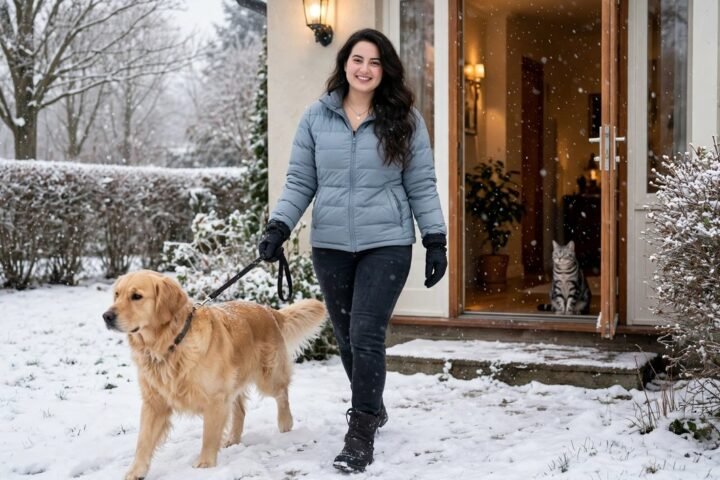
Winter can bring cozy evenings, snowy walks, and new adventures with your dog, but colder weather also creates risks that are easy to overlook. These winter dog care tips can help you protect your dog’s paws, maintain a healthy routine, prevent cold-related problems, and recognize when it is time to head indoors.
Not every dog handles winter the same way. A thick-coated adult dog may enjoy cold-weather activities, while a small, short-haired puppy may become uncomfortable much sooner. Age, body condition, health, wind, moisture, and how accustomed your dog is to cold weather all matter.
The goal is not to keep your dog indoors all winter. It is to adjust outdoor time, provide suitable protection, and prevent avoidable hazards. Here are nine practical ways to help your dog stay comfortable and safe throughout the colder months.
Table of Contents
1. Understand How Cold Weather Affects Your Dog
One of the most important winter safety decisions is knowing when your individual dog has had enough exposure to the cold.
There is no single outdoor temperature that is safe for every dog. Wind, rain, wet fur, snow, activity level, and the length of exposure can change how quickly a dog becomes uncomfortable.
Which dogs need extra winter protection?
Some dogs need more help maintaining body heat than others.
- Small dogs: Their smaller bodies can lose heat relatively quickly, particularly in cold wind.
- Short-haired dogs: Breeds with thin coats have less natural insulation.
- Puppies: Young dogs may have more difficulty regulating body temperature.
- Senior dogs: Older dogs may have reduced mobility or other age-related needs that make cold weather harder to tolerate.
- Underweight or ill dogs: Poor body condition and certain medical problems can affect temperature regulation.
- Dogs with arthritis: Cold conditions and slippery surfaces can make movement more uncomfortable or unstable.
Thick-coated breeds, including many northern working breeds, may tolerate cold better, but their coats do not make them immune to hypothermia, frostbite, or icy-ground injuries.
Learn your dog’s signs of discomfort
Pay attention to your dog’s behavior rather than relying only on the thermometer. Signs that your dog may be getting too cold include:
- Shivering or trembling
- Lifting paws repeatedly off the ground
- Whining or seeming unusually anxious
- Tucking the tail or hunching the body
- Slowing down or refusing to continue walking
- Seeking shelter or trying to turn toward home
If you notice these signs, move your dog to a warm, dry place. Do not insist on finishing the usual walking route.
For more veterinary guidance, read Cornell University’s winter safety tips for dogs.
2. Keep Your Dog Warm at Home and Outdoors
Your dog should have a comfortable place to rest away from cold drafts and dampness. Good winter care begins inside the house, especially for dogs that spend much of their day resting.
Create a warm indoor sleeping area
Choose a dry, comfortable bed in a draft-free area. A washable blanket can provide additional comfort, particularly when the floor feels cold.
Keep your dog’s bed away from damp doorways, chilly garages, and direct drafts from poorly sealed windows. If your dog has trouble getting up or lying down, consider a supportive bed that is easy to enter and exit.
Avoid placing bedding directly against a space heater, fireplace, or other hot surface. Heating devices can cause burns or fires, and dogs must be able to move away from a heat source whenever they become uncomfortable.
Does your dog need a winter coat?
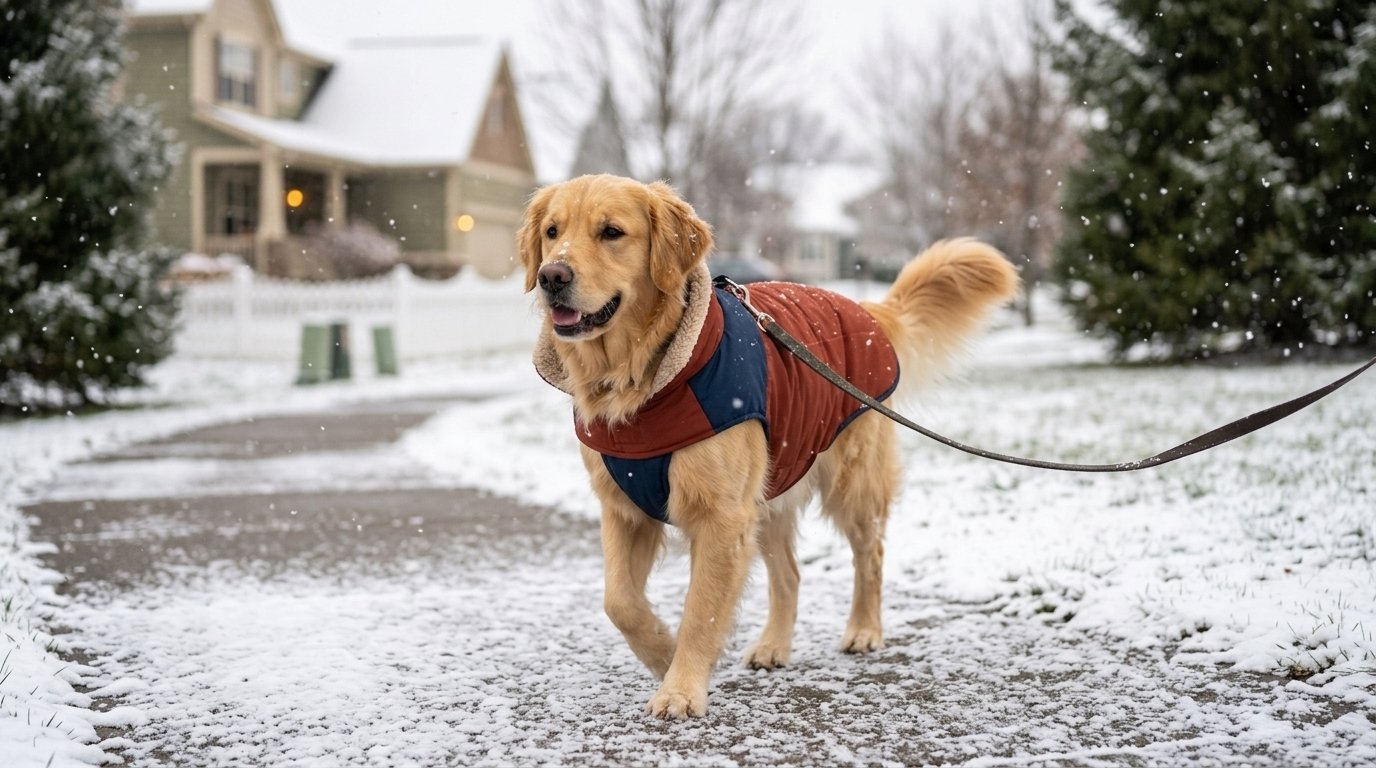
A coat or sweater may help small, short-haired, elderly, or cold-sensitive dogs during outdoor trips.
Choose one that:
- Fits without restricting movement or breathing.
- Covers the body appropriately without dragging on the ground.
- Stays secure without rubbing the skin.
- Allows your dog to urinate and defecate comfortably.
- Can be removed promptly when wet or dirty.
Introduce new clothing gradually. Some dogs need time and rewards to become comfortable wearing a coat.
A jacket is not permission to leave a dog outdoors in freezing conditions for extended periods. Dogs should have access to a safe indoor environment, and outdoor trips should be adjusted to their individual tolerance.
Keep the coat in good condition
Regular brushing helps remove loose hair and tangles. For dogs with longer coats, carefully maintaining the fur around the feet can help reduce snow and ice buildup.
Avoid shaving a dog’s coat very short during winter unless a veterinarian or qualified grooming professional recommends a particular approach for that dog’s needs. At the same time, a thick coat should not be allowed to become matted or remain wet for long periods.
3. Protect Your Dog’s Paws From Ice, Snow, and Salt
Your dog’s paws have direct contact with frozen ground, rough ice, road salt, and chemical de-icers. These exposures can cause discomfort, cracks, redness, and irritation.
Paw protection is one of the simplest and most useful parts of a winter routine.
Before going outside
Inspect your dog’s feet for existing cracks, cuts, sore areas, or damaged nails. If your dog already has irritated paws, ask your veterinarian how to protect them during walks.
Depending on your dog’s needs, options include:
- Well-fitting dog boots that protect against snow, ice, and treated pavement.
- A veterinarian-approved paw balm or protectant.
- Choosing a route with less ice and fewer heavily treated surfaces.
- Carefully trimming excess hair between the paw pads when appropriate.
Boots should fit securely without rubbing or cutting off circulation. Let your dog practice wearing them indoors before using them on a longer walk.
After every winter walk
Make a habit of checking all four paws when you return home.
- Wipe or rinse away salt, grit, and chemical residues.
- Remove any snow or ice balls trapped between the toes.
- Dry the feet thoroughly, including between the pads.
- Check for redness, cracks, swelling, bleeding, or persistent licking.
- Contact your veterinarian if your dog appears painful or the irritation does not settle.

Do not pull hard on ice that is firmly attached to sensitive skin. If removal causes pain or bleeding, seek veterinary advice.
The ASPCA’s cold-weather safety guidance also recommends cleaning paws and the underside of the body after exposure to winter chemicals.
4. Make Winter Walks Shorter, Safer, and More Comfortable
Cold weather does not automatically mean that your dog must stop going for walks. Many dogs still benefit from outdoor activity, fresh air, sniffing, and exploration. The important thing is to adapt the routine to the conditions.
Adjust the length of each walk
During particularly cold, windy, or wet weather, shorter walks may be more appropriate than one long outing.
Take your dog’s age, coat, health, and usual activity level into account. A dog that normally enjoys a long walk may need several brief outdoor trips when temperatures fall sharply.
Watch your dog throughout the walk. If your pet starts shivering, repeatedly lifts the paws, slows down, or tries to return home, do not force the outing to continue.
There is no universal number of minutes that works for every dog in every winter condition.
Reduce the risk of slipping
Ice can be difficult to see, particularly in shaded areas, on steps, and on pavement that looks merely wet. Choose cleared paths when possible and avoid encouraging your dog to run on slippery ground.
Keep your dog on a leash near icy ponds, lakes, and other potentially dangerous areas. Frozen water may not be thick enough to support a dog’s weight.
If your dog falls, develops sudden limping, or appears unable to bear weight normally, arrange veterinary assessment rather than assuming the problem is minor.
Improve visibility after dark
Winter days can be short, making morning and evening walks darker than usual.
Consider reflective equipment, a visibility light, and a well-fitting leash or harness. Check that collars, leash clips, and harness straps are in good condition before heading out.
Make sure your dog wears an identification tag with current contact details. Microchip registration should also be kept up to date.
Dry your dog after wet outings
Rain, slush, and melting snow can leave the coat damp even when the air feels relatively mild. Towel-dry your dog when you get home, paying attention to the belly, legs, paws, and areas where moisture can become trapped.
If your dog is wet and cold, bring them inside promptly and help them become comfortably warm and dry.
5. Maintain Exercise, Hydration, and a Healthy Diet
Dogs may spend less time outdoors in winter, but they still need regular movement, mental stimulation, and access to fresh water.
A sudden drop in activity can contribute to boredom and unwanted behavior. The answer is to adjust your dog’s routine rather than abandon it.
Keep your dog active indoors
Indoor activities can supplement outdoor walks when the weather is unsuitable.
Try activities such as:
- Short reward-based training sessions.
- Hide-and-seek games with a favorite toy.
- Sniffing games using treats hidden in safe locations.
- Puzzle feeders or food-dispensing toys.
- Gentle indoor fetch in a clear, nonslip space.
- Practicing familiar cues such as sit, down, and come.
Choose games that suit your dog’s age, physical ability, and temperament. Avoid activities that encourage jumping on slippery floors or colliding with furniture.
Should you feed your dog more in winter?
Not necessarily.
Dogs that spend substantial time exercising outdoors in cold conditions may need more energy, while dogs that become less active may need fewer calories to maintain a healthy weight.
Do not automatically increase food portions simply because winter has arrived. Monitor body condition, appetite, activity, and weight, and ask your veterinarian whether your dog’s calorie intake needs adjusting.
Keep your dog’s usual complete and balanced diet unless there is a specific reason to change it.
Do not overlook water
Fresh water remains essential in cold weather. Keep an accessible bowl indoors and check outdoor water frequently if your dog uses it.
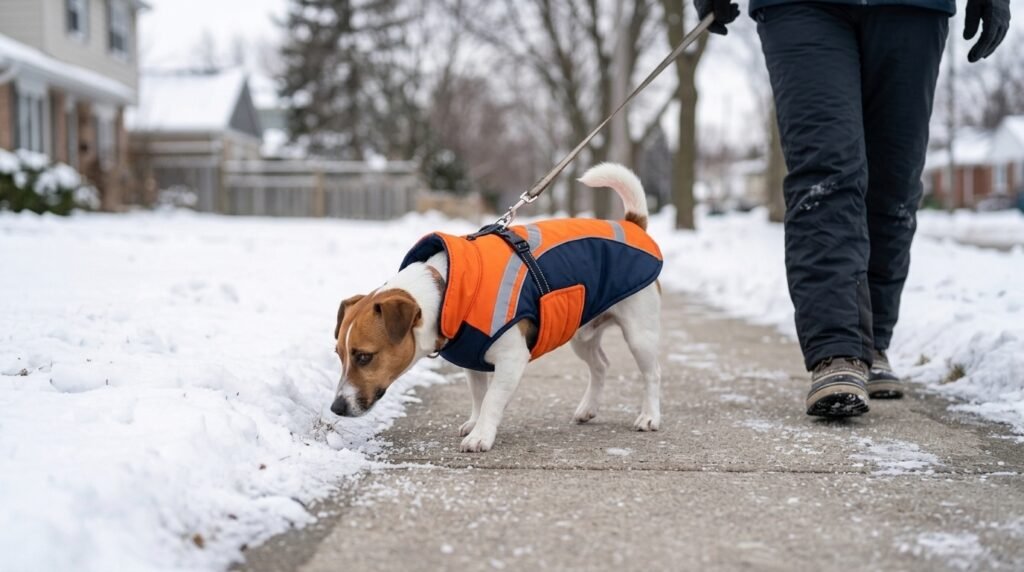
Water bowls left outside may freeze. Replace frozen water with fresh water rather than assuming your dog will drink enough snow to stay hydrated.
Avoid encouraging dogs to eat snow as a substitute for drinking water. Snow can contain dirt, salt, de-icers, or other contaminants.
6. Protect Your Dog From Antifreeze and Other Winter Hazards
Some of the most serious winter risks have little to do with the cold itself. Chemicals in garages, driveways, parking lots, and on sidewalks can harm dogs through skin contact or ingestion.
Antifreeze is an emergency hazard
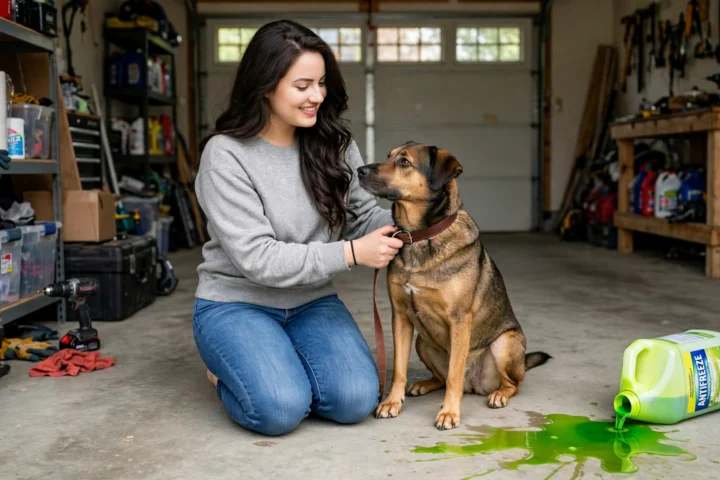
Antifreeze containing ethylene glycol can cause life-threatening poisoning. A dog may encounter a spill around a vehicle, in a garage, or on a surface contaminated by leaking coolant.
Store automotive products securely, clean spills immediately, and prevent your dog from investigating suspicious puddles or brightly colored liquid.
If you suspect that your dog has licked or swallowed antifreeze, seek emergency veterinary care immediately. Do not wait for symptoms, and do not try to induce vomiting or give home remedies unless a veterinary professional specifically instructs you to do so.
The ASPCA’s explanation of antifreeze dangers explains why suspected exposure requires prompt action.
Use ice-melting products carefully
De-icing products can irritate paws and may cause gastrointestinal problems or more serious effects if swallowed, depending on the ingredients and amount consumed.
Keep bags and containers out of reach. Where possible, choose products labeled as suitable for use around pets, while remembering that no ice melt should be treated as safe to eat.
Wipe your dog’s feet after walks on treated surfaces and discourage licking until the paws have been cleaned.
If your dog eats ice melt or develops vomiting, diarrhea, excessive drooling, weakness, tremors, or other concerning symptoms after possible exposure, contact a veterinarian or animal poison-control service promptly.
Keep dogs away from frozen water
A frozen pond or lake can look solid while remaining dangerously thin in places. Keep dogs leashed and away from the edges.
If a dog falls through ice, do not enter the water yourself. Call emergency services and follow their directions. Once the dog is safely recovered, seek urgent veterinary assessment because cold-water immersion can cause serious problems even if the dog appears to recover.
Never leave your dog alone in a cold car
A parked vehicle can become dangerously cold. Do not leave your dog unattended in a vehicle while running errands, even if the trip is expected to be brief.

7. Recognize the Warning Signs of Hypothermia and Frostbite
Recognizing the difference between ordinary cold discomfort and a potential medical emergency can help you act quickly.
Signs your dog may be too cold
Shivering, paw lifting, reluctance to walk, and seeking shelter are reasons to stop the outdoor activity and bring your dog inside.
Move your dog to a warm, dry area, remove wet clothing if present, and dry the coat gently. If your dog does not recover promptly, appears unusually weak, or has other concerning symptoms, contact a veterinarian.
Signs of possible hypothermia
Hypothermia occurs when body temperature falls dangerously low. More serious warning signs can include:
- Marked weakness or unusual lethargy.
- Confusion or disorientation.
- Shallow or slow breathing.
- Poor coordination or difficulty standing.
- Collapse or reduced responsiveness.
These signs warrant immediate emergency veterinary care. Do not delay treatment while trying to warm the dog at home.
While arranging help, move the dog out of the cold, gently dry them if wet, and wrap them in dry blankets. Avoid direct high heat, heating pads against bare skin, hot water, or vigorous rubbing, all of which can cause injury.
For more detail, consult the Merck Veterinary Manual’s emergency guidance.
Signs of possible frostbite
Frostbite can affect poorly insulated areas, particularly the ears, tail, and feet. The skin may appear unusually pale, gray, red, or swollen and may be painful. Severe damage can develop over time.
If you suspect frostbite, bring your dog indoors and contact a veterinarian immediately. Do not rub the affected area, apply snow, or use very hot water to warm it.
Cold-related injury may not be fully visible at first, so do not assume that the absence of dramatic skin changes means everything is fine.
8. Prepare for Winter Storms and Unexpected Cold Snaps
A little preparation can make winter disruptions less stressful for both you and your dog.
Build a basic pet emergency kit
Keep essential supplies in a place that is easy to reach. Include:
- Several days’ worth of your dog’s regular food.
- Bottled or stored drinking water.
- Food and water bowls.
- Any prescribed medications and your veterinarian’s contact details.
- A leash, harness, collar, and identification information.
- Towels, blankets, and basic pet-care supplies.
- Copies of important veterinary records.
Check supplies periodically, especially medication expiry dates and your dog’s current food requirements.
Plan for indoor bathroom breaks
If severe weather makes walking unsafe, establish a practical way for your dog to take bathroom breaks. A securely fenced area cleared of snow may work for some households, while other dogs may need a different arrangement.
Keep outdoor trips supervised and brief when conditions are hazardous.
Make your home safe during power outages
If heating fails, move your dog to the warmest safe area available, away from drafts. Use blankets and dry bedding, but do not leave a dog unsupervised near candles, portable heaters, or combustion appliances.
Never use outdoor grills or fuel-burning equipment indoors as a substitute for heating. These can create dangerous fire and carbon monoxide hazards.
If your home becomes too cold to keep your dog safe, consider arranging a stay in a suitable heated location.
9. Build a Simple Daily Winter Dog Care Routine
Consistent habits make winter safety easier to maintain. You do not need complicated equipment or an entirely new schedule; focus on the areas that matter most for your dog.
Before a walk
- Check the weather and ground conditions.
- Choose a route with safe footing.
- Use a suitable coat or boots if your dog benefits from them.
- Check that identification and walking equipment are secure.
- Bring a towel for wet conditions.
After a walk
- Clean and dry the paws, legs, and belly.
- Check for ice buildup, cuts, redness, or limping.
- Dry a wet coat and provide a comfortable place to rest.
- Offer access to fresh drinking water.
- Watch for continued shivering or unusual behavior.
Throughout the day
- Keep a warm, draft-free resting area available.
- Provide suitable indoor exercise and enrichment.
- Maintain a balanced diet and monitor body condition.
- Keep antifreeze, de-icers, and other chemicals safely stored.
- Give puppies, senior dogs, and dogs with medical conditions extra attention.
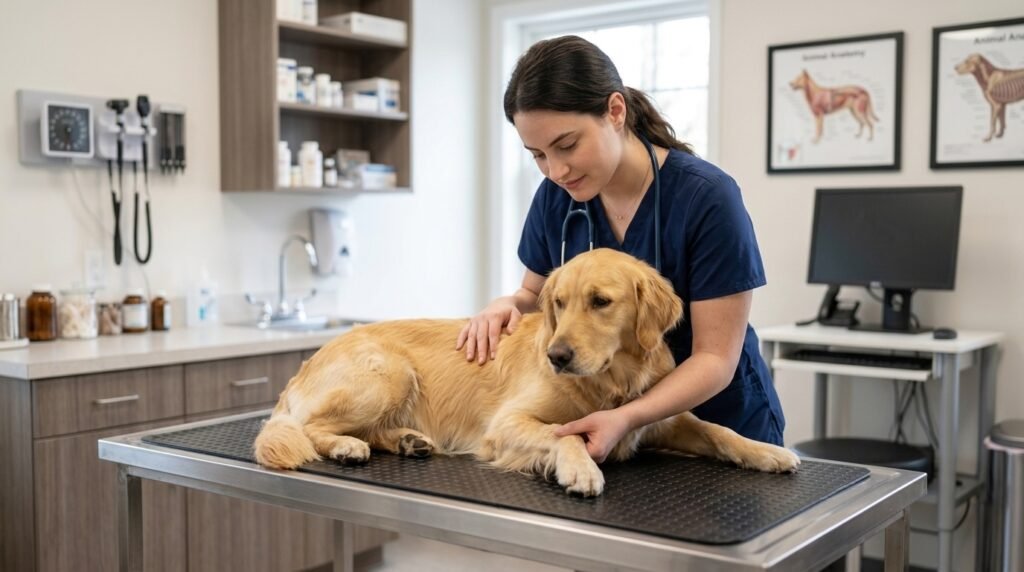
The best routine is one that reflects your dog’s needs and the weather you actually experience. A mild winter day may allow a normal walk, while a freezing, windy, icy day may call for shorter outings and more indoor activity.
Frequently Asked Questions
1. How cold is too cold for a dog?
There is no universal temperature limit for every dog. Size, coat, age, health, wind, moisture, and acclimation all affect cold tolerance. Watch for shivering, paw lifting, reluctance to walk, or unusual behavior, and move your dog indoors when these signs appear.
2. Should dogs wear coats in winter?
Some dogs benefit from coats, particularly small breeds, short-haired dogs, puppies, senior dogs, and dogs that seem sensitive to cold. Choose a comfortable, well-fitting coat and supervise your dog outdoors. A coat does not eliminate the risks of prolonged cold exposure.
3. Can dogs walk on snow and ice?
Dogs can often walk safely in snow when conditions are suitable, but ice, hidden holes, road salt, and de-icing chemicals create risks. Use a leash, avoid slippery surfaces and frozen bodies of water, protect sensitive paws, and shorten the walk if your dog becomes uncomfortable.
4. What should I do if my dog shows signs of hypothermia?
Move your dog out of the cold, gently dry them if necessary, and wrap them in dry blankets while arranging immediate veterinary care. Do not use direct high heat or vigorous rubbing. Weakness, confusion, abnormal breathing, collapse, or reduced responsiveness are emergency warning signs.
Conclusion
Following these winter dog care tips can help you keep your dog comfortable while reducing common cold-weather risks. Prioritize safe outdoor exposure, clean and dry paws, appropriate warmth, indoor exercise, fresh water, and secure storage of winter chemicals.
Most importantly, respond to your dog’s individual needs rather than relying on a fixed temperature or walking schedule. If you suspect antifreeze poisoning, hypothermia, frostbite, or another serious cold-related injury, seek veterinary help promptly.
A little preparation and close observation can make winter safer, healthier, and more enjoyable for you and your dog.