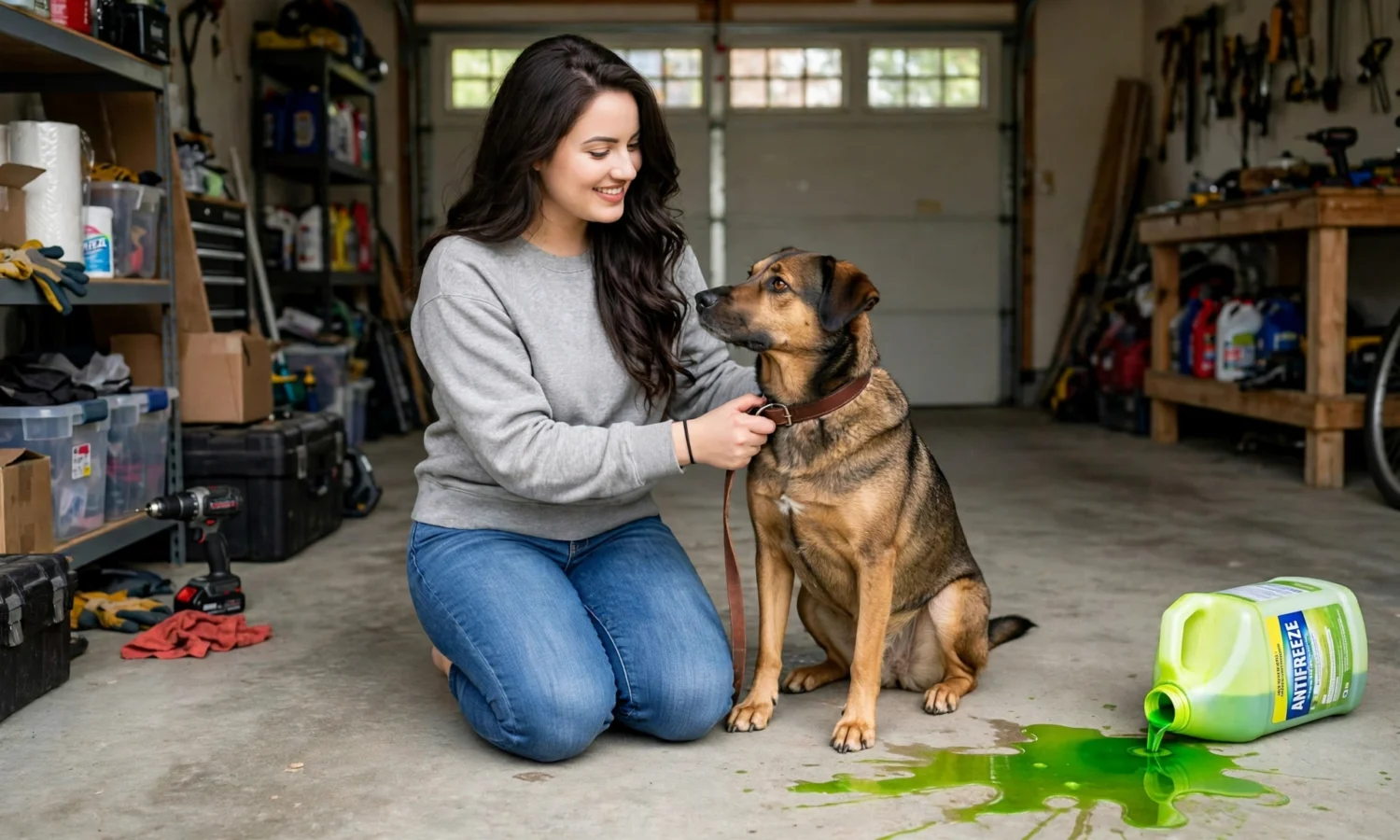
You let your dog into the garage for a minute while you carry in groceries. On the concrete floor, near the car, there is a small bright green puddle. It smells faintly sweet. Your dog laps at it once, twice, and then trots back inside, tail wagging, looking perfectly fine.
That puddle may be antifreeze, and antifreeze poisoning in dogs can turn deadly within hours, even from a few licks. The sweet taste draws dogs in, and the poison works quietly at first. By the time a dog looks sick, the damage to the kidneys may already be very severe.
This guide explains the warning signs hour by hour, what to do in the first minutes, and how to keep antifreeze out of your dog’s reach for good, starting tonight.
Quick Answer
Antifreeze poisoning in dogs is an emergency: if your dog may have licked or drunk antifreeze, go to a vet or emergency clinic now and call poison control on the way. Do not wait for signs and do not make your dog vomit. Signs look like drunkenness, then seem to fade, before kidney failure follows at 36 to 72 hours.
Why Antifreeze Is So Dangerous for Dogs
Antifreeze is mostly ethylene glycol, a sweet-tasting liquid that keeps car engines from freezing. Dogs love its sweet taste, and a puddle on a garage floor looks like water to a thirsty dog. Many cases start near a parked car.
The liquid itself is not the main poison. Once swallowed, the liver breaks ethylene glycol down into acids, and one forms sharp calcium oxalate crystals inside the kidneys. Those crystals block the tiny tubes that filter blood, and the kidneys begin to fail.
Concentrated antifreeze is typically 95 percent ethylene glycol, so the dose that kills is small. A tablespoon or two can be fatal to a dog, and a teaspoon can kill a cat. That chain reaction is what makes antifreeze poisoning in dogs so deadly.
Where Dogs Find Antifreeze
The garage is the classic source of antifreeze poisoning in dogs, and the danger is often invisible. A slow radiator leak leaves a small puddle under a parked car, and a tipped jug spills across the floor. Old coolant may sit in an open drain pan for hours.
Driveways and parking lots carry the same risk. A neighbor’s car can leak where your dog walks, and slush can hide spilled coolant. Keep your dog leashed near parked cars, and steer clear of green or blue puddles.
Other sources catch owners by surprise. Some washer fluids and brake fluids contain ethylene glycol, and some snow globes hold it too. Winterized RV toilets are another source; our household items poisonous to dogs guide lists more garage chemicals to lock away.
Stage 1: 30 Minutes to 12 Hours — Your Dog Looks Drunk
The first warning signs of antifreeze poisoning in dogs look like alcohol poisoning, and they can start within 30 minutes. Your dog may stumble, sway, or knuckle over on the paws, as if drunk — the sign owners notice first.
Vomiting often comes with the wobbling, along with heavy drooling and a dull, dazed look. Your dog may drink far more water than usual and urinate in large amounts. Some dogs lose their appetite, seem depressed, or have a seizure.
These signs are easy to miss or blame on something else. A dog that vomited once and then drank a lot of water may look like a dog with a mild stomach upset. Do not wait to see if it passes, because the clock on treatment is already running.
Stage 2: 12 to 24 Hours — The Deceptive Recovery
About 12 hours after swallowing antifreeze, many dogs look better. The wobbling fades, the vomiting stops, and your dog may eat, drink, and even play. Owners feel relief, and some decide the scare is over.
It is not over. Inside the body, the liver is still turning ethylene glycol into the acids and crystals that attack the kidneys. The damage continues even while your dog looks brighter, and a fast heart rate, faster breathing, and dehydration can quietly begin.
This is the stage that fools people, and it is the most dangerous part of antifreeze poisoning in dogs. A dog who “seems fine now” after a possible exposure still needs a vet today. Act on the suspicion, not on how your dog looks.
Stage 3: 36 to 72 Hours — Kidney Failure
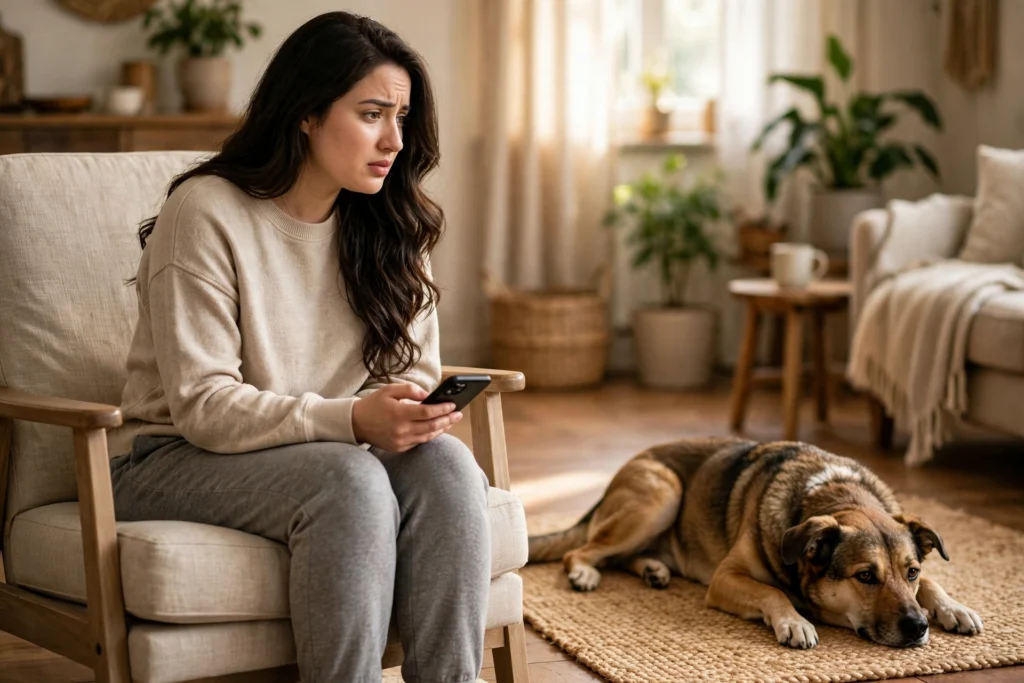
Between 36 and 72 hours after swallowing antifreeze, antifreeze poisoning in dogs reaches the kidneys, and they begin to fail. The first change owners notice is often in urination: after peeing a lot, the dog makes little urine, then none at all. The kidneys may swell and become painful to touch.
Your dog becomes very lethargic, stops eating, and may vomit or have diarrhea again. Mouth ulcers and drooling appear, breathing speeds up, and seizures or coma can follow. Dehydration makes everything worse.
Once kidney failure has set in, the outlook is poor, and the antidote can no longer help. That is why every hour before this stage matters so much. If your dog reaches this stage, intensive hospital care is the only chance left.
What to Do Right Now: 7 Emergency Steps
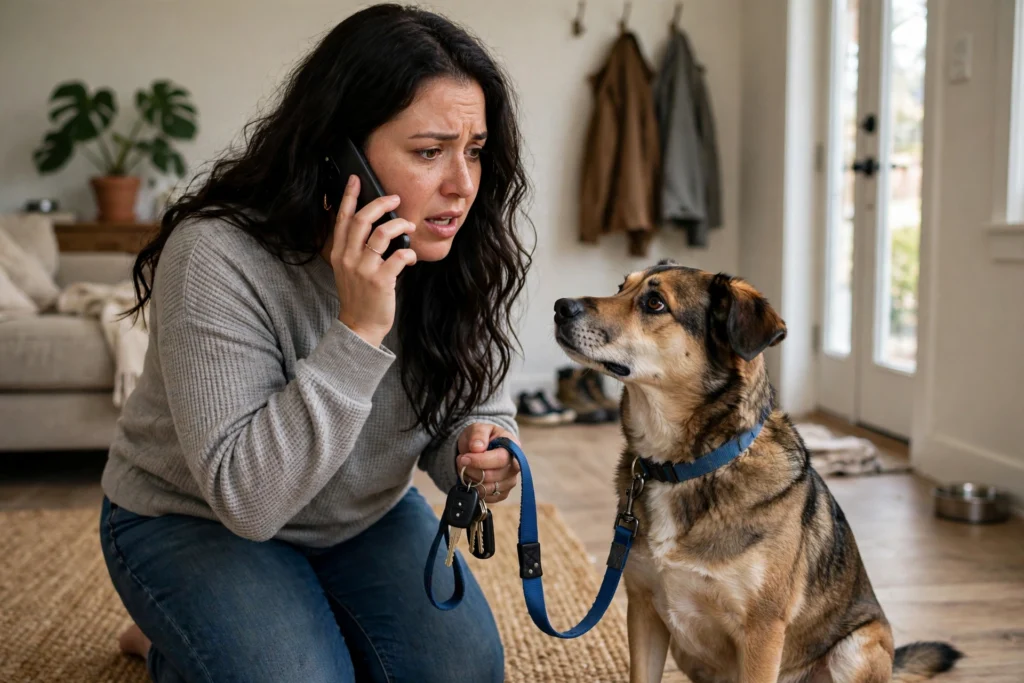
If your dog may have licked or drunk antifreeze, treat it as antifreeze poisoning in dogs and act now. First, get your dog away from the source. Second, head to your vet or the nearest emergency clinic, and call on the way.
Third, have the facts ready: the product name, how much was swallowed, when it happened, and your dog’s weight. Bring the container or label photo. Fourth, call a poison line while you drive: ASPCA Poison Control at (888) 426-4435.
Fifth, do not wait for signs, and do not try home remedies. Sixth, keep your dog calm and warm, and watch the breathing. Seventh, say “antifreeze” the moment you arrive, so testing starts at once. A written dog emergency plan saves minutes when panic sets in.
What Not to Do
Do not make your dog vomit unless a vet tells you to. Never induce vomiting in a wobbly or dull dog, because the fluid can end up in the lungs. Your vet may empty the stomach, but only in the first hour or two, and only if your dog is still alert.
Do not give milk, oil, food, or alcohol. None of these neutralizes antifreeze, and alcohol can make the damage worse. Time spent on home fixes is time your dog does not have, so skip them.
Do not wait until morning, and do not just watch and see. The antidote only works before the kidneys fail, and that window is measured in hours. A dog that looks fine after possible antifreeze poisoning in dogs still needs the vet today.
How Much Antifreeze Can Kill a Dog?
A shockingly small amount can kill. Pet Poison Helpline puts it plainly: as little as a tablespoon or two can be fatal, depending on the dog’s size. For a cat, a single teaspoon can be fatal.
The Merck Veterinary Manual gives the same warning in doses: the minimum lethal dose of undiluted ethylene glycol is 4.4 to 6.6 mL per kilogram of body weight in dogs. A tablespoon holds about 15 mL, so the numbers line up, and younger animals may be more sensitive.
There is no safe lick of antifreeze poisoning in dogs. The dose depends on size and concentration, and no owner can judge that by eye. If your dog licked a puddle, a spill, or a jug, treat it as dangerous and call for help.
What Your Vet Will Do
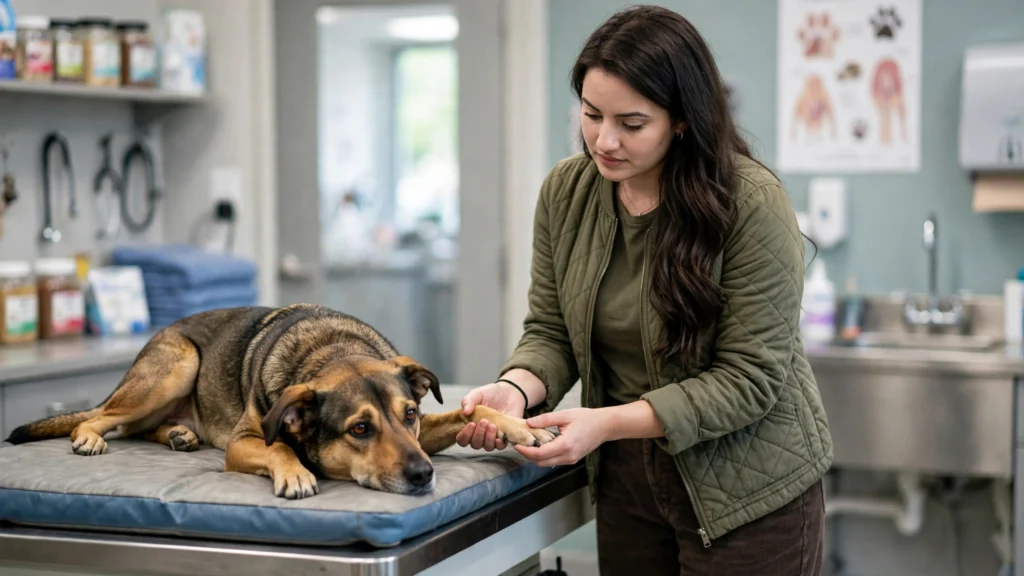
Your vet will ask when it happened, what product it was, and how much was swallowed. Bring the container if you can, because not every antifreeze contains ethylene glycol. The team will examine your dog and run blood tests.
An ethylene glycol blood test confirms the poison, with bloodwork, a blood gas test, and a urinalysis. Under the microscope, the vet may find calcium oxalate crystals, which can appear about six hours after ingestion and point to a poor outlook.
Treatment for antifreeze poisoning in dogs is fomepizole, the antidote, given through an IV line, plus IV fluids to support the kidneys. Pet Poison Helpline gives the antidote window as 8 to 12 hours for dogs. Dogs treated early often recover well, with follow-up bloodwork.
Antifreeze vs. Ice Melt: A Different Danger
Ice melt and antifreeze are both winter chemicals, but not the same danger. Most ice melts are chloride salts, licked off the paws after a walk. A few licks cause drooling or a mild stomach upset; the worst cases come from eating de-icer from the bag.
With antifreeze poisoning in dogs, a small swallow can destroy the kidneys in days. The risks meet on the paws: a dog can lick antifreeze off its feet after walking through a spill, so rinse paws after every walk. See our dog winter paw care guide for the routine.
One exception erases it. A few de-icers are made with ethylene glycol, and the ASPCA notes that “pet safe” labels have no rules. Read every label, and treat an ethylene-glycol de-icer like antifreeze.
How to Prevent Antifreeze Poisoning
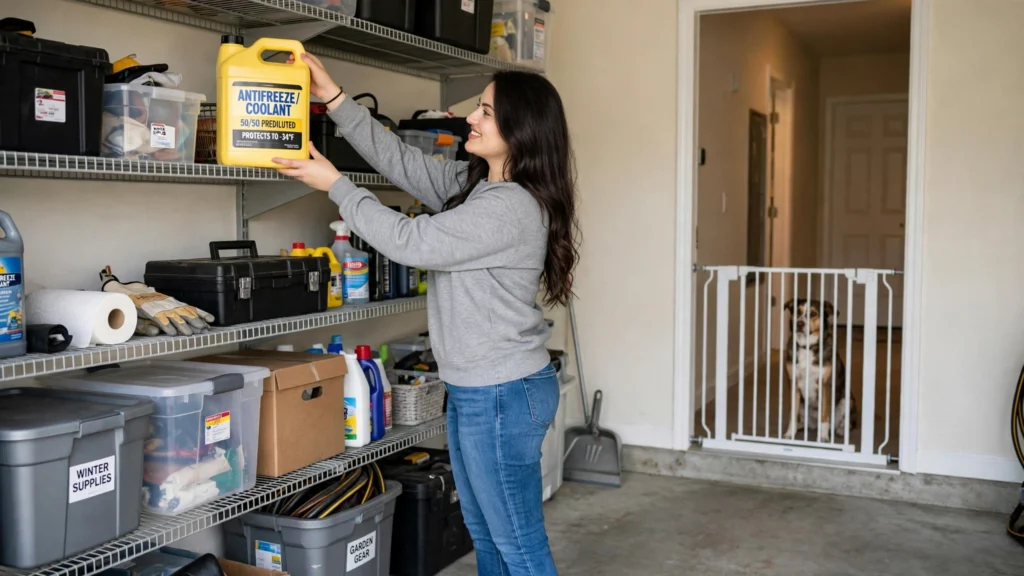
Prevention is a checklist for tonight. Store antifreeze sealed, up high or in a locked cabinet, and never leave a jug where a dog can chew it. Clean up spills at once, and cover the spot with cat litter after wiping it.
Check your car for leaks, and look over the driveway before walks. Fix leaks promptly, and never pour old coolant on the ground. Dispose of used antifreeze properly, and never leave a drain pan where a dog can reach it.
Choose propylene-glycol antifreeze when you can: the AAHA notes it is less toxic to pets. It is still not harmless, so keep it locked away. Save both poison numbers in your phone today, and keep your dog out of the garage during coolant work.
FAQs
Can a dog survive antifreeze poisoning?
Yes, when treatment starts early, before the kidneys fail. Dogs that receive the antidote within 8 to 12 hours have the best chance, and the outlook is excellent when a dog is caught in time. Once kidney failure has set in, the outlook is poor, and some dogs are left with permanent kidney damage.
Is one lick of antifreeze enough to hurt my dog?
Yes, one lick can matter. A tablespoon or two can be fatal to a dog, and you cannot tell how much your dog swallowed from a single lap at a puddle. Call your vet or a poison line right away, even if your dog seems fine, and go to the clinic without waiting for signs.
Is “pet-safe” antifreeze really safe?
Propylene-glycol antifreeze is less toxic than ethylene-glycol antifreeze, and pets are less drawn to it, but it is not harmless. The Merck Veterinary Manual notes it can still cause a similar, milder poisoning. If your dog drinks any kind of antifreeze, call your vet and have the label ready.
How fast do antifreeze poisoning signs appear in dogs?
Signs can start within 30 minutes and usually appear within 12 hours: wobbling, vomiting, drooling, thirst, and lots of urine. The signs may then seem to fade for a day, while kidney failure follows at 36 to 72 hours. Do not wait for any of it — call as soon as you suspect exposure.
Conclusion
Antifreeze poisoning in dogs is a race against the clock, and the finish line is the vet clinic. A sweet puddle, a few licks, and a dog that looks fine can still end in kidney failure days later. The only safe response is to go now.
Start tonight. Save the ASPCA number, (888) 426-4435, and the Pet Poison Helpline number, (855) 764-7661. Check the garage for leaks, lock the antifreeze away, and keep your dog leashed near parked cars.
If your dog may have swallowed antifreeze, do not wait for signs. Go to the vet, call on the way, and bring the container. If your dog ever collapses or has a seizure, our guides to dog CPR and dog first aid can help you stay ready.